
1666: Amsterdam admits AI portraits made the prologue, promises human replacements
Panache Digital Games says it will swap AI-generated assets in an update after player backlash.
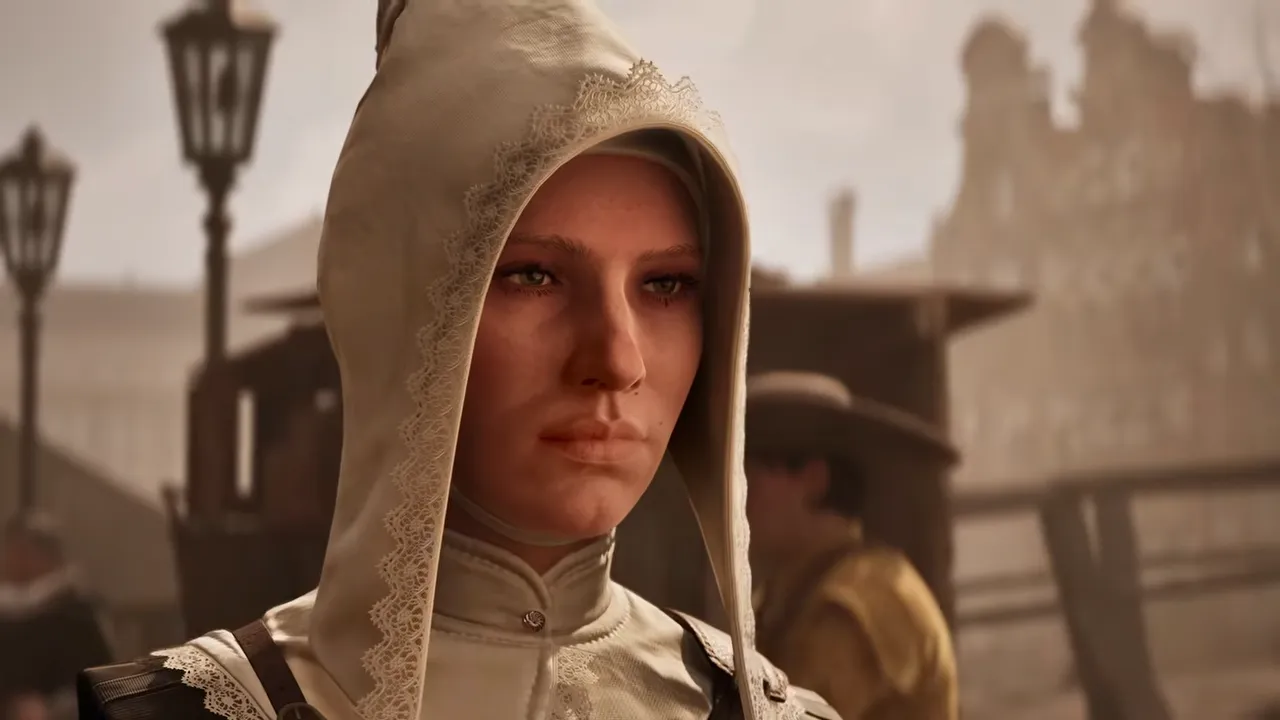
Panache Digital Games, led by founder Patrice Désilets, apologized after players flagged AI-generated art in the playable prologue of 1666: Amsterdam. The studio says it will release human-made versions in an update and that the Early Access and full game will not include AI-generated assets.
Panache Digital Games has apologized for using AI-generated assets in the playable prologue of 1666: Amsterdam, and now it is committing to swap those assets out. The apology, posted to X/Twitter, came after players completed the 30-minute experience and raised concerns that in-game art looked AI-generated, including portraits and external marketing assets.
In the statement, Panache said it reviewed the specific assets people questioned and found “some early versions of assets” that “made their way into the prologue.” The studio then promised “human made versions” in an update “dropping soon,” adding, “Please be assured that the Early Access and full game will not include any assets generated by AI.” The prologue itself is available now for free on PC via the Epic Games Store and Steam, where it currently sits at a “Mixed” user review rating.
This is not a generic apology about “modern tools” or a vague nod to “future improvements.” The developer is drawing a line: early versions used during production made it into the playable slice, and the full products will not ship with AI-generated assets. That distinction matters, because the prologue is effectively the game’s public proof of taste, production quality, and ethics. When players judge a game that way, it also affects how quickly a community forms, how content creators cover it, and whether early access interest sticks around long enough for the studio’s bigger launch plan.
Zoom out and the incentives get clearer. Panache Digital Games previously made ape survival game Ancestors: The Humankind Odyssey, and it announced 1666: Amsterdam last week during the Summer Games Fest livestream. Patrice Désilets, Panache’s founder, devised the concept years ago after an acrimonious exit from Ubisoft, where he co-created Assassin’s Creed. That backstory creates a particular kind of pressure: a concept anchored in blockbuster expectations, carried by a creator with a high-profile legacy. In that context, timelines matter. Studios under schedule pressure often use tools to speed up iteration, including “early versions of assets.” The apology suggests those shortcuts collided with a public standard that players are actively enforcing, especially around generative AI art.
If you are an executive sitting on a board, this is also a governance story, not just a creative one. A studio can have a “dedicated team of over a dozen talented and experienced artists,” as Panache says, and still let AI-assisted materials slip into a build players can access. That is the breakdown: process, not talent. It raises the question of what review gates exist between internal asset generation and anything that leaves the studio as part of marketing or a playable demo. When backlash hits, the cost is immediate: Steam reviews, wishlist decisions, and social-media narrative can move faster than a patch can.
The early Steam feedback included sharply negative reactions focused on AI usage and the perception of corners being cut. One user review claims, “They use gen AI in many places,” including “promo key art.” Another says, “about AI, it’s not hard to hire an artist to do concept art, or in-game assets,” and argues the current state cannot be recommended. On the other side, some players praised the prologue’s atmosphere and “Assassin’s Creed 2-like vibes,” while others criticized technical performance. This mix matters for decision-makers because it shows a split: AI concerns can be one driver of rejection, but performance still influences sentiment. In other words, the studio is not just managing an ethics conversation, it is also fighting for quality perception across multiple dimensions.
There is also a regulatory and standards subtext that companies can feel even before laws arrive. Generative AI in creative outputs has been a live controversy for months, with questions about disclosure, consent, and what “using AI” means in practice. Even when specific rules vary by jurisdiction, the practical risk is reputational and contractual: marketplaces, platform policies, and partner expectations increasingly require clarity. Panache’s statement is a form of disclosure, but it also functions as a commitment device. By saying Early Access and the full game will not include AI-generated assets, the studio is trying to reset the narrative from “we used AI” to “we corrected course and we have a no-AI shipping policy for the final product.”
For peers managing live projects, this is a real-time playbook lesson. A prologue is a marketing asset as much as it is a gameplay test. If you are building early access momentum, you need review processes that can catch “early versions” before they become “what players see first.” And if you are raising capital or negotiating partnerships, you want to minimize events that can derail brand trust. The second-order implication is straightforward: when studios acknowledge oversights after release, they are also implicitly admitting that their internal controls were not strong enough to prevent player-facing controversy. That is the kind of thing that can harden sentiment quickly, even if the underlying production team is skilled.
Right now, 1666: Amsterdam Prologue is free on Epic Games Store and Steam, with “Mixed” user reviews, and early access is due at some point later this year, followed by a full launch at a later date. Panache says it will release human-made versions in an update “dropping soon.” The strategic stake for executives is whether that update actually closes the trust gap players are reacting to, and whether it prevents the same assets from becoming the next headline the moment the full game enters wider visibility.
This story's Key Insights and Take-aways are locked.
Create a free account to unlock Executive Actions for one credit.
Register to UnlockAlways free for Executives Club members. Join the Club
More in Entertainment

Entertainer Russell Brand denies 7 sex charges amid accuser's 'couldn't breathe' claim
The alleged victim's account sharpens the reputational and legal stakes for Brand, his platforms, and any business tied to a public figure under criminal scrutiny.

Russell Brand's accuser 'bewildered and confused' as he denies 7 sex charges
The criminal case against the comedian is a live test of how media companies manage talent risk when serious allegations go public.

'It's a Magic Trick': Ballet Experts Say Rosalía's SNL Pose Is Impossible
Three ballet experts tell Rolling Stone Rosalía's gravity-defying SNL stillness shouldn't be possible - and why the debate is now part of the show.