
2026 Hollywood unions signed four-year contracts with studios without a fight
After the 2023 strikes, the 2026 talks stayed surprisingly quiet, and the labor calendar finally locked in.
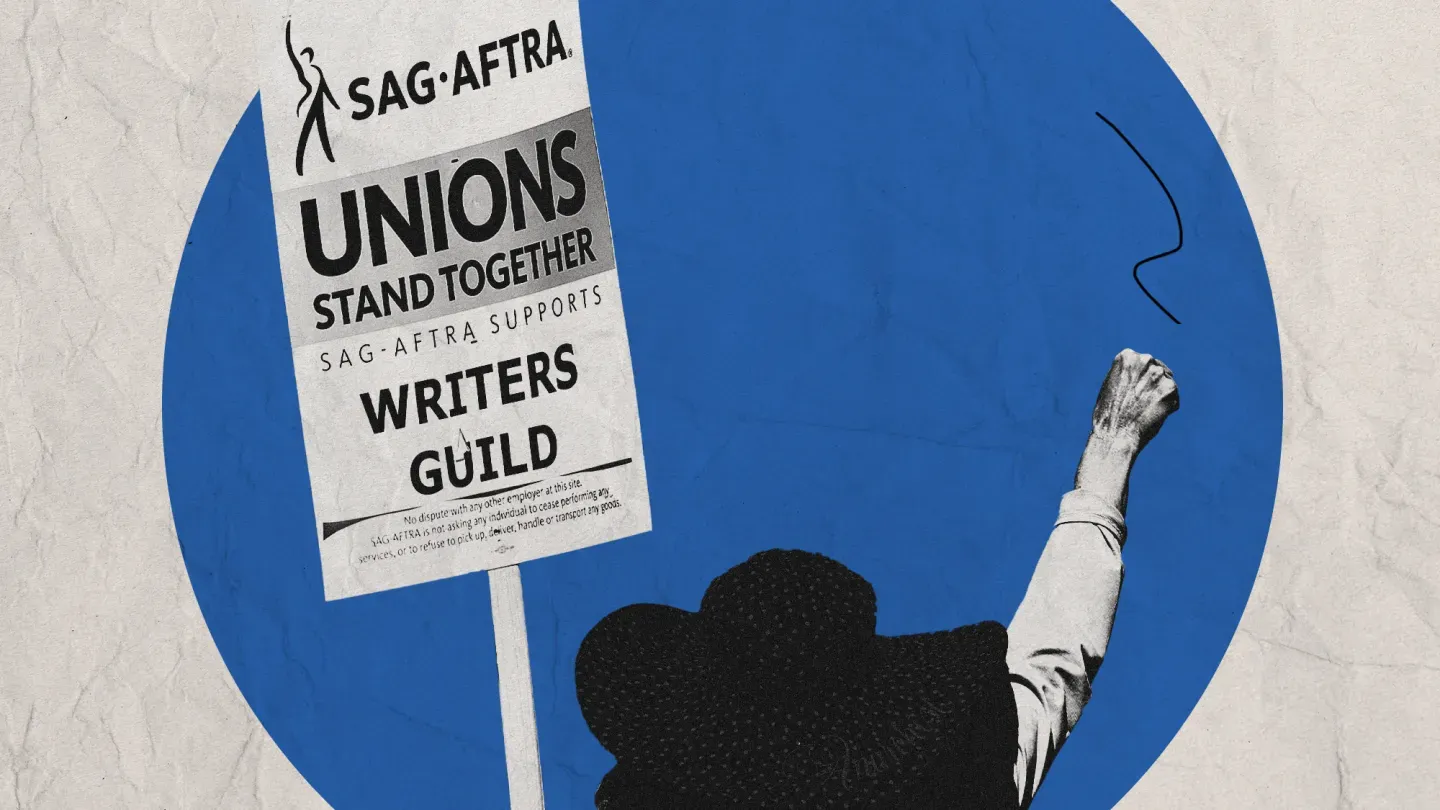
Hollywoods major unions landed four-year labor contracts with all major studios after history-making strikes in 2023, following a quiet negotiation cycle in 2026. For decision-makers, the shift changes how you model scheduling risk, operating leverage, and future labor leverage.
After history-making strikes in 2023, a quiet negotiation cycle in 2026 delivered four-year labor contracts with all major unions. That is the headline truth: instead of a fresh round of public escalation, Hollywood’s labor negotiations moved toward closure, and the contracts were set for four years.
The “no fight” part matters because it signals how bargaining leverage can quietly move over time. When unions get hit with a tougher work environment, the usual pressure points shift. In this case, work became more difficult to find for members, and that backdrop likely reshaped how both sides approached what “winning” means. The result was a negotiated outcome that closed the loop after the 2023 strikes, but without repeating the same kind of high-drama standoff.
To understand why this is consequential, zoom out to how Hollywood labor cycles actually work. The 2023 strikes were history-making, and they did two things at once: they proved that labor action can disrupt the content engine, and they also forced studios, streamers, and production ecosystems to re-think timing, staffing assumptions, and contingency planning. In industries like entertainment, disruption is rarely just a moral or political story. It turns into operational math fast, because productions are tightly scheduled and the pipeline depends on a steady flow of completed work.
The 2026 “quiet negotiation cycle” fits that reality. Even when the major public drama fades, negotiations still happen in the background, and the incentives do not stay still. If members find less work, then downtime becomes riskier for the union side. That shifts the negotiation calculus from “maximize leverage while the threat is fresh” to “secure stability while employment is harder to maintain.” In other words, a quieter process can reflect a more urgent need for predictability.
Studios and other content players face their own incentives, and they are equally hard-nosed. Film and television businesses are exposed to demand swings, platform strategy changes, and cost pressure. When your labor agreements are up for renewal, you are not just choosing terms for wages or working conditions. You are also choosing how much uncertainty to carry into production planning. A four-year contract reduces a major variable, and it can make capital allocation easier across projects that rely on labor certainty. That doesn’t mean everyone is happy. It means the system is optimizing for continuity.
Regulatory framing also matters, even when no regulator is stealing the spotlight. Labor disputes in major industries often operate under the long shadow of political scrutiny and public attention. The 2023 strikes already put labor on the front page. In 2026, a negotiation that produces four-year agreements with “all major unions” without a repeat of disruptive escalation avoids re-triggering the same cycle of headlines, political pressure, and reputational risk. For decision-makers, that is a second-order benefit: less noise can translate into fewer downstream costs tied to uncertainty.
There is also a strategic signal here for other corners of media and entertainment, especially companies that sit between creators, unions, and distributors. If the union-studio relationship can shift into a stabilization mode, then future bargaining may become more about negotiating employment conditions and schedule reliability than about battlefield leverage. The core reason is embedded in the source’s framing: work became more difficult to find for members. When employment conditions tighten, all stakeholders become more focused on reducing volatility.
So what should executives take from this? If you run studios, platforms, or production groups, the “quiet cycle” outcome is a reminder that negotiation dynamics change with market conditions. The 2026 contracts provide a four-year planning horizon, but they also reflect a labor market reality where bargaining power and urgency can move at the same time. Board-level teams should read this as an operational risk lesson: the next labor flashpoint may not look like the last one. It could arrive as a negotiated calm, shaped by employment difficulty, that locks in terms and resets leverage behind the scenes.
This story's Key Insights and Take-aways are locked.
Create a free account to unlock Executive Actions for one credit.
Register to UnlockAlways free for Executives Club members. Join the Club
More in Entertainment

Russell Brand's accuser 'bewildered and confused' as he denies 7 sex charges
The criminal case against the comedian is a live test of how media companies manage talent risk when serious allegations go public.

'It's a Magic Trick': Ballet Experts Say Rosalía's SNL Pose Is Impossible
Three ballet experts tell Rolling Stone Rosalía's gravity-defying SNL stillness shouldn't be possible - and why the debate is now part of the show.

Activision CMO: GTA 6 Will Boost Call of Duty, Not Bury It
Activision's top marketer says Rockstar's blockbuster will drive players back to consoles and into Modern Warfare 4, even as the company admits its recent strategy failed.