

36 bacterial genes power a self-replication prototype, but regulators still say “not alive.”
A partly self-replicating cell prototype uses existing genes, yet it stops short of a fully living organism.
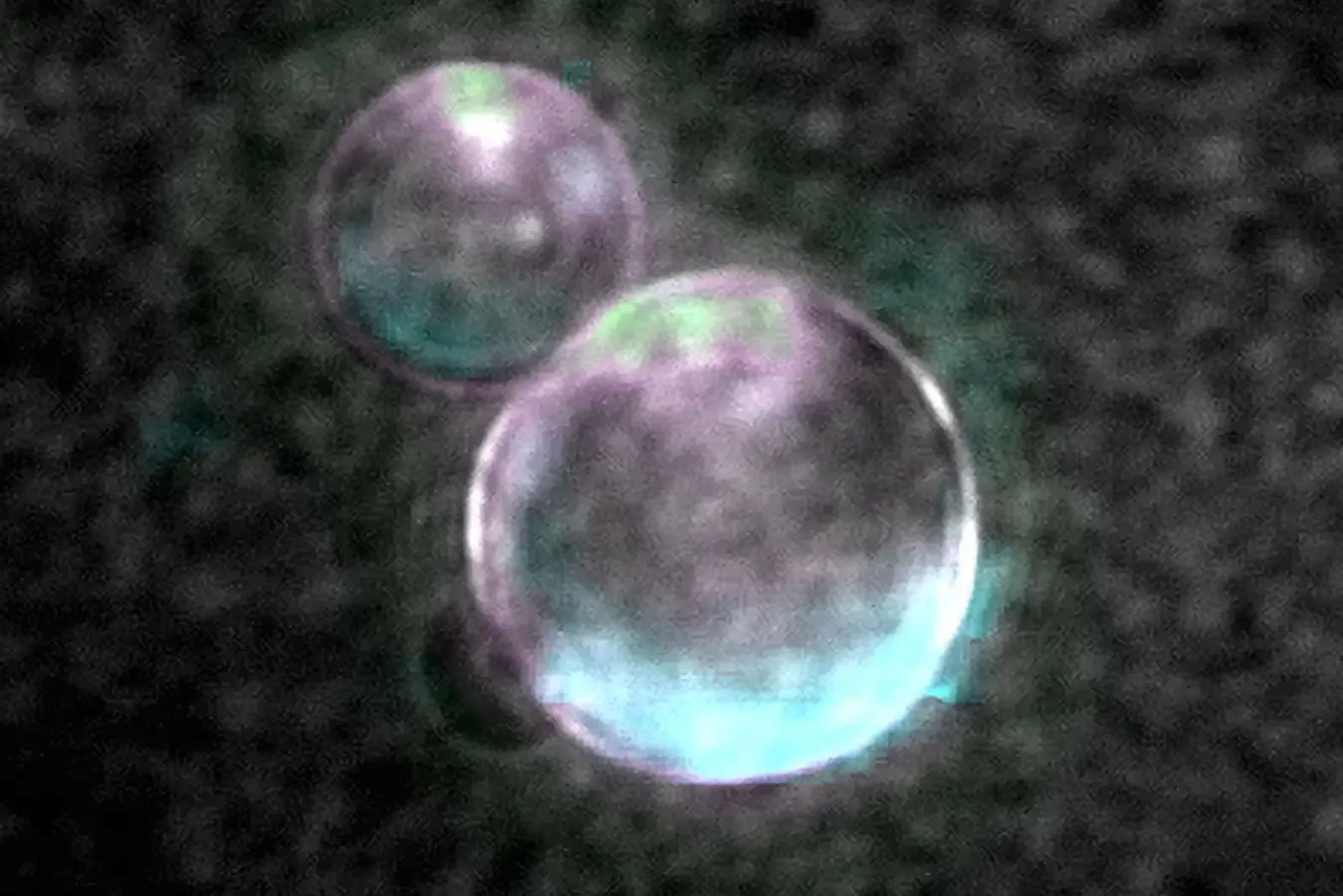
New Scientist reports a prototype cell that can partly replicate itself, built using 36 existing bacterial genes. For decision-makers, the news is a real milestone in synthetic biology, but also a boundary test for how regulators and boards will define “living.”
Scientists have built a prototype cell that can partly replicate itself using 36 existing bacterial genes, but it is not really a living organism yet. That simple sentence hides the real tension: the work looks like life from a distance, but it falls short of what most scientists and regulators would call a fully functioning living cell.
Why this matters right now is that “living” is not just a biology label. It is the dividing line that affects how research gets funded, how companies develop products, and how oversight bodies decide what risks to treat as existential versus experimental. This prototype crosses a meaningful technical step toward self-replication, but it does not complete the whole loop required for something that behaves like a living organism.
In synthetic biology, progress often arrives as partial capabilities, not instant breakthroughs that behave perfectly from day one. A prototype that can replicate “partly” suggests the team engineered a system where some functions move toward duplication, using a toolbox that already exists in nature. The key detail in this report is that the researchers did not start with an entirely blank slate. They used 36 existing bacterial genes, meaning the design is constructed from known biological components rather than invented biology operating without precedent.
That distinction is strategic. When boards assess investments in deep-tech biology, they care about two things: how much is proven and how much is still speculative. Using existing bacterial genes generally lowers the barrier to getting working pieces, because the components have evolutionary context, and they have been studied. But it also signals that the prototype is still an engineering scaffold. It is a step in assembling the machinery required for full life, not a confirmation that scientists can yet manufacture a complete cell “from scratch.”
The regulatory framing is where the hype tends to go off the rails, so the sober truth here is important. A system that is partly capable of replicating itself triggers immediate questions: what exactly replicates, under what conditions, and what happens if it escapes the lab? Even if it is not a living organism, partial self-replication creates a different risk profile than a static lab construct. Regulators and oversight bodies tend to look for autonomy, persistence, and the ability to reproduce. This prototype is inching toward those criteria, but the report explicitly says it is not really living yet.
There is also a governance angle for leadership teams. When research claims sit in the “nearly there” zone, internal decision-making often becomes fragile. The public narrative can outpace the technical definition. A board that is enthusiastic about synthetic biology may still need to press management on how they define success, how they measure “partly capable of replicating,” and how they communicate limitations without triggering compliance headaches or reputational risk.
Second-order implications are real for companies watching this field. Synthetic biology sits at the intersection of biotech regulation, national science priorities, and platform competition. If milestone claims blur the line between prototype and organism, it can distort investor expectations and compress timelines for competitors who want to stay in the race. Meanwhile, the science community will likely keep tightening the definitions. The gap between “a prototype cell partly capable of replicating itself” and “a living organism” is exactly where future breakthroughs, and future oversight, are likely to concentrate.
So what should leaders take away? This is a genuine milestone in engineering biology using 36 bacterial genes to create a prototype that can partly replicate itself. But it is also a reminder that the path to full life is not just about assembling genes, it is about creating a system that meets the functional and safety thresholds that “living” implies. If your organization is betting on synthetic biology, this is your signal to track capability progress and definitional risk in parallel, because in this space, the word “alive” can move markets and move policy at the same time.
This story's Key Insights and Take-aways are locked.
Create a free account to unlock Executive Actions for one credit.
Register to UnlockAlways free for Executives Club members. Join the Club
More in Science

Alaska's 1,580-foot tsunami had warning signs. Scientists just found them.
Rapid glacier retreat, heavy rainfall, and thousands of tiny tremors preceded Alaska's 1,580-foot tsunami, a warning for every coastal community in a warming world.

The rare mutation that lets high-risk brains dodge Alzheimer's
Scientists found a natural defense against protein buildup, opening a new path to preventive treatments.

3,000 steps a day may halve Alzheimer's decline, study finds
New research links a modest daily walk to less tau buildup and nearly half the cognitive and functional decline, even for those with early signs.