
401(k) balances hit record levels in 2023, Vanguard reports
Vanguard’s “How America Saves” shows workplace retirement gains and what executives should watch next.
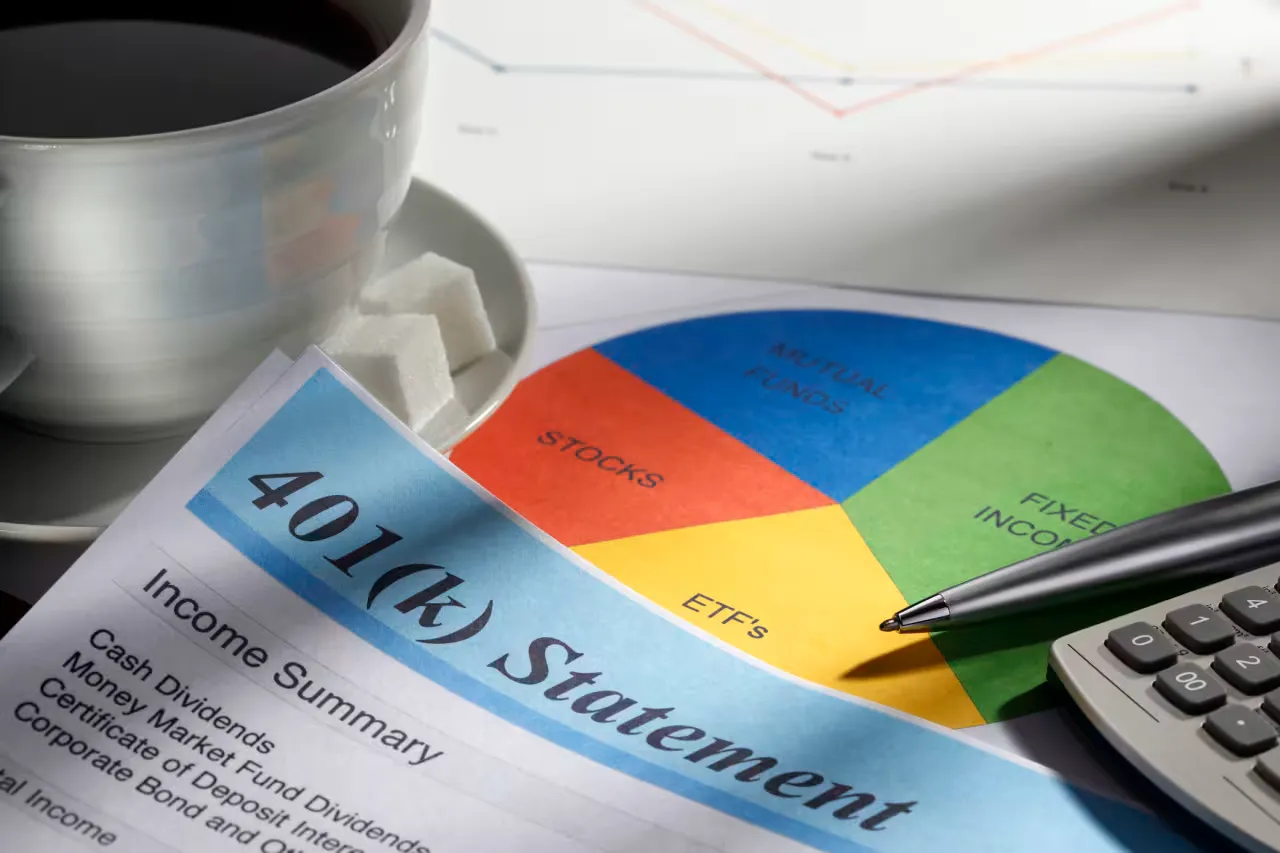
Vanguard’s latest “How America Saves” report says Americans’ workplace retirement savers ended last year with record 401(k) balances. For decision-makers, it is a reminder that employee retirement outcomes are tightly linked to market conditions and plan design choices.
Americans’ 401(k) balances hit record levels last year, according to Vanguard’s latest “How America Saves” report. For workplace retirement savers, it was a very good year. For employers and executives who care about benefits strategy, it is also a signal: even if your plan hasn’t changed, participants’ outcomes can jump sharply when markets cooperate.
The key point is simple but consequential. Vanguard reports that most workplace retirement savers saw positive momentum, and the average results translated into record account balances for many participants. This matters because 401(k) balances are not just personal finance trivia. They are part of the wider retirement system, shaping how confidently people can plan for healthcare, housing, and retirement timing, and it can influence how people perceive the value of their employer benefits.
To understand why record levels should get executives attention, zoom out to how 401(k) plans work in practice. A typical workplace plan gives employees payroll deductions and, often, an employer match. That match can effectively act like instant compensation, but the long-term value depends on two things that are mostly out of an individual employee’s control: contribution behavior and investment performance. When markets rise, balances rise, and the momentum can reinforce the habit of saving. When markets fall, the opposite happens, and employees may get nervous at the worst time.
Regulation and plan governance sit underneath that reality. In the US, 401(k)s live in a structured world of ERISA fiduciary rules, disclosure requirements, and nondiscrimination testing. Employers and plan fiduciaries are responsible for selecting and monitoring investments and ensuring plan terms do not unfairly benefit highly compensated employees. Vanguard’s report is not a regulatory document, but it lands in that environment. When participant outcomes improve broadly, it tends to reduce the pressure that employers sometimes feel around questions like “Is the plan working for employees?” Record balance headlines can quiet the debate in the short term. They can also raise expectations for what benefits leaders should sustain when performance is less friendly.
There is also a second-order effect that shows up in boardrooms and HR leadership meetings: retention and engagement. Retirement plans are often framed as a long-term perk. But employees experience them like a living scoreboard. When balances rise, employees are more likely to feel that the plan is “doing something,” and that perception can support morale. When balances hit lows, benefits can become a stress point. A report that says 401(k) balances reached record levels last year is therefore not just about retirement. It is about how people feel about their employer's commitment to their financial future.
This is why Vanguard’s phrasing about “most workplace retirement savers” matters. It implies breadth, not a narrow slice of high earners. In a plan world where participation rates, contribution levels, and fund choices vary widely across employees, broad gains signal that the improvements were not limited to a tiny group. That distinction is important for executives evaluating whether plan education, automatic enrollment, default investments, and communication strategies are helping participants benefit from good market periods.
So what should leaders take from this? First, treat market-linked improvements as real but not permanent. Record balances are tied to performance, and performance moves. Second, recognize that employee perception is path-dependent. People who see their statements improve are more likely to stay invested and keep saving. Third, use that moment to reinforce the right behaviors, like maintaining contributions and understanding risk and time horizons. Vanguard is essentially reporting a win for savers, but employers can choose whether that win becomes a lasting behavioral shift or just a temporary headline.
For peers in similar roles, the strategic stake is clear. The workplace retirement system is built for decades. Yet the signals employees receive often come from quarterly account statements and market headlines. Vanguard’s finding that Americans’ 401(k) balances hit record levels last year is a reminder that plan outcomes are dynamic and that benefit leadership is not just about selecting options, it is about guiding people through the cycles those options ride out.
This story's Key Insights and Take-aways are locked.
Create a free account to unlock Executive Actions for one credit.
Register to UnlockAlways free for Executives Club members. Join the Club
More in Business

Accenture’s $4.18bn play fails as AI fears spark a 20% worst-ever stock plunge
On Thursday, Accenture hit its biggest one-day drop on record after forecasting worries that AI could hollow out consulting.

SpaceX stock jumps 3% after it overtakes Amazon’s market cap
CNBC says SpaceX’s shares surge following its IPO Friday, forcing investors to reprice what “space” and “AI” are worth.

SpaceX’s first options day breaks U.S. records after a $85B IPO win
Big IPO, bigger options debut: what it means for investors, risk teams, and anyone benchmarking market appetite.