
6 UN secretary-general contenders pitch visions as UN leadership race looms for Jan 2027
Ahead of the January 2027 selection process, the six candidates outline what they’d change during the UN’s financial and confidence crisis.

Six candidates vying to become the next UN secretary-general presented their visions for the organization on Thursday. The presentations come as the UN faces a financial and confidence crisis ahead of a leadership selection process determining its leader from January 2027.
Six candidates vying to become the next UN secretary-general presented their visions for the organization on Thursday, setting the tone for a leadership race that will decide who steers the United Nations starting January 2027. This is not just a diplomatic pageant. It is the opening move in a moment of stress for the UN, framed by the organization’s financial and confidence crisis.
For decision-makers tracking global governance, that timing matters. The UN’s leadership from January 2027 will be shaped by this selection process, which means the candidate messaging right now is also a test of credibility. In a system where member states, donors, and implementers all watch for signs of competence and stability, a candidate’s “vision” is effectively a forecast of how budgets will be defended, how priorities will be sequenced, and how trust can be rebuilt when confidence is already under strain.
Why does a secretary-general pitch matter so much during a financial and confidence crisis? Because the UN secretary-general is not only a figurehead. They are the coordinator and agenda-setter for a sprawling institution that has to balance political legitimacy with operational delivery. When money is tight and trust is thin, governance becomes harder. Every program has to justify itself not just on humanitarian needs, but also on measurable effectiveness, accountability, and continuity. In that environment, candidates have to do more than say they care about the UN’s mission. They have to signal they can turn mission into momentum.
The Thursday presentations also land in a familiar UN dynamic: selection timelines create a long runway for messaging, coalition-building, and behind-the-scenes bargaining. As January 2027 approaches, the candidates’ ability to articulate a coherent plan will shape how different blocs of member states interpret the risks and opportunities. That interpretation is consequential. The selection will not happen in a vacuum, and the next leader’s credibility will influence whether donors feel comfortable funding existing priorities or whether they insist on changes.
There is also a market logic hiding inside diplomacy. The UN operates across crisis response, development, and rule-setting, which means it interacts with finance, contractors, non-governmental partners, and national authorities. When a financial crisis hits, funding volatility and program uncertainty ripple outward. That can disrupt procurement cycles, staffing plans, and implementation timelines. When a confidence crisis hits, it can slow cooperation because member states and partners question whether the institution will deliver or whether reforms will actually stick.
That is the second-order stake for executives and operators in adjacent ecosystems. Even if you are not in UN headquarters, your work depends on multilateral credibility: humanitarian logistics, program grants, compliance frameworks, and cross-border coordination. A secretary-general who is viewed as credible can reduce friction with governments and partners. A secretary-general who is viewed as weak or inconsistent can increase transaction costs, delay decisions, and complicate program continuity. So, the “visions” presented on Thursday should be read not only as speeches, but as signals about how the UN might manage the next funding cycle and how it might address the confidence gap.
Looking ahead, the selection process that determines leadership from January 2027 will test whether candidate visions align with the UN’s current reality. The source underscores that the United Nations faces both financial and confidence challenges. Those two pressures reinforce each other: tight budgets can make performance look worse, and weak confidence can make budgets harder to secure. A candidate’s plan has to confront both at once, not treat them as separate problems.
For boards, investors in impact ecosystems, and executives working with multilateral partners, the practical question is this: can the next secretary-general restore legitimacy fast enough to prevent the institution from losing momentum? The answer will be shaped by these early pitches, because they establish expectations for reform, accountability, and continuity. In a leadership race that runs toward January 2027, Thursday’s presentations are the start of that credibility-building process.
This story's Key Insights and Take-aways are locked.
Create a free account to unlock Executive Actions for one credit.
Register to UnlockAlways free for Executives Club members. Join the Club
More in Politics
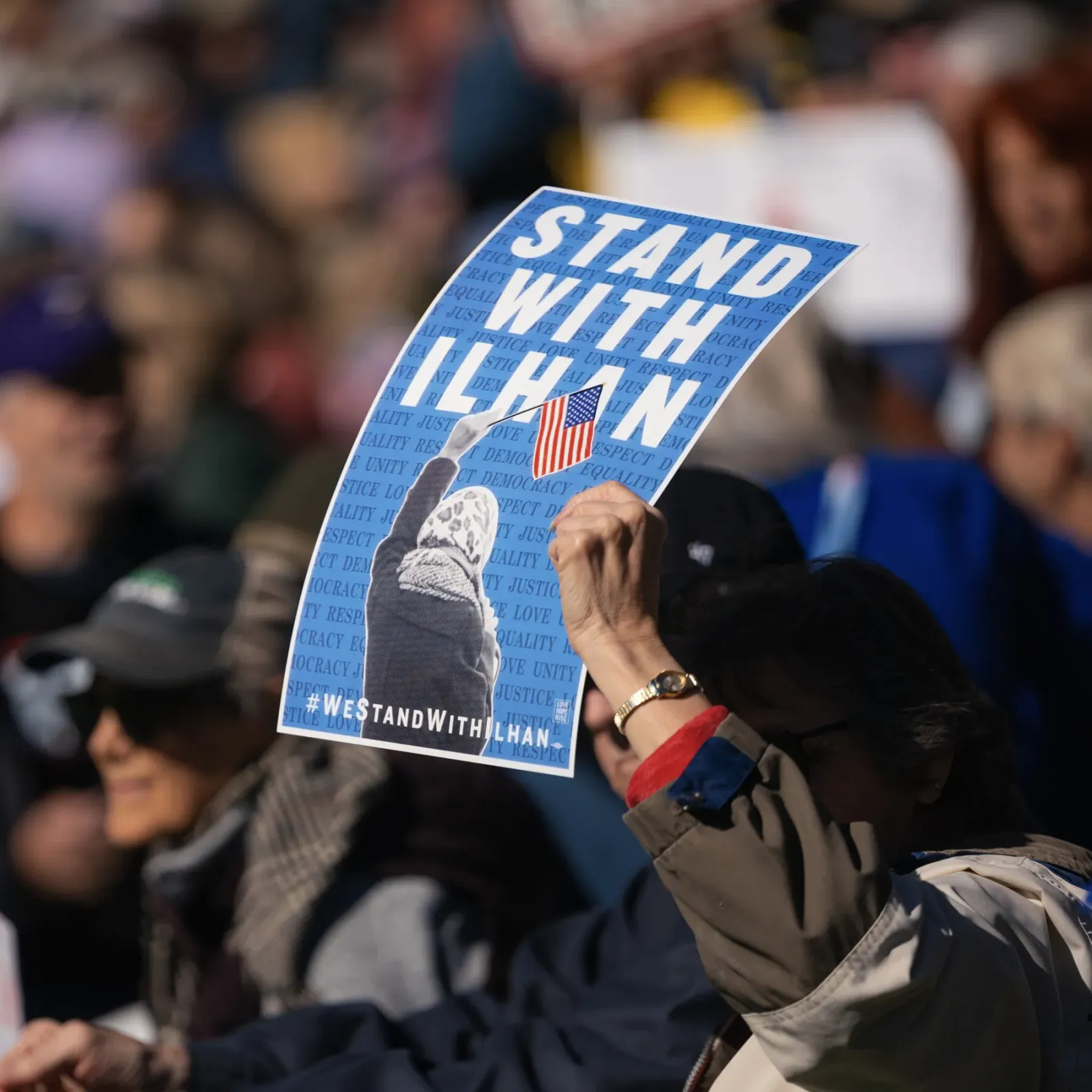
Obama Defends Ilhan Omar After Agents Search Her Home in Trump Inquiry
The former president's intervention raises the stakes in a federal probe into immigration paperwork that has put a prominent progressive lawmaker in the crosshairs.
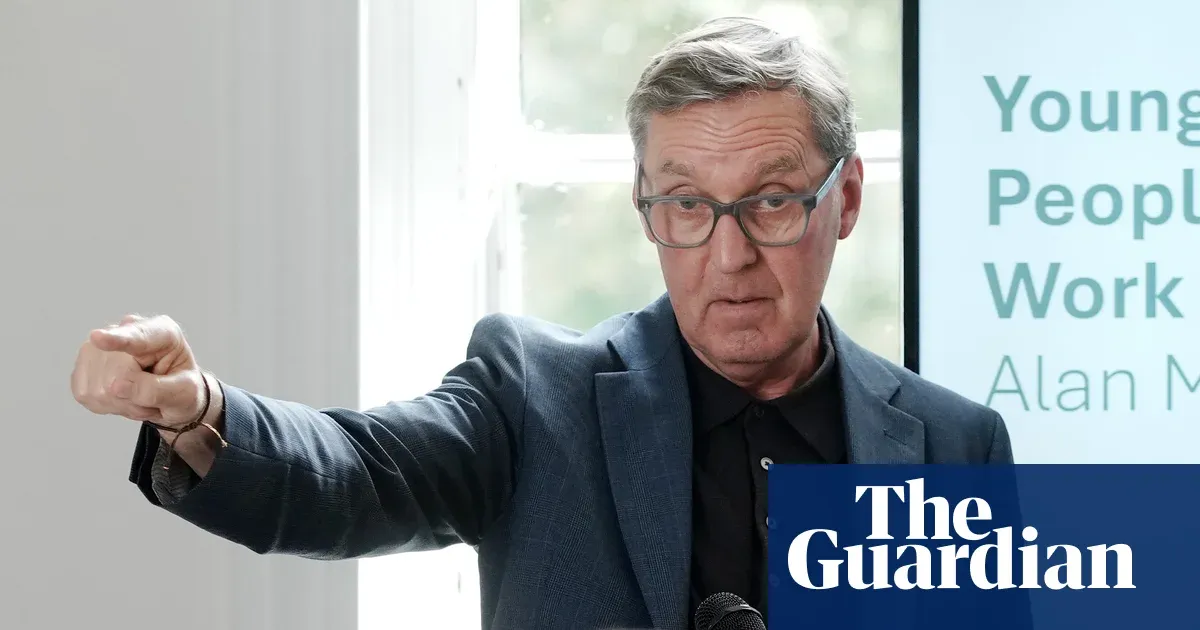
Blair-era minister: cut welfare to fund youth job support
Alan Milburn's call for welfare cuts to fund employment support opens a Labour fight over benefits and the Neet crisis.
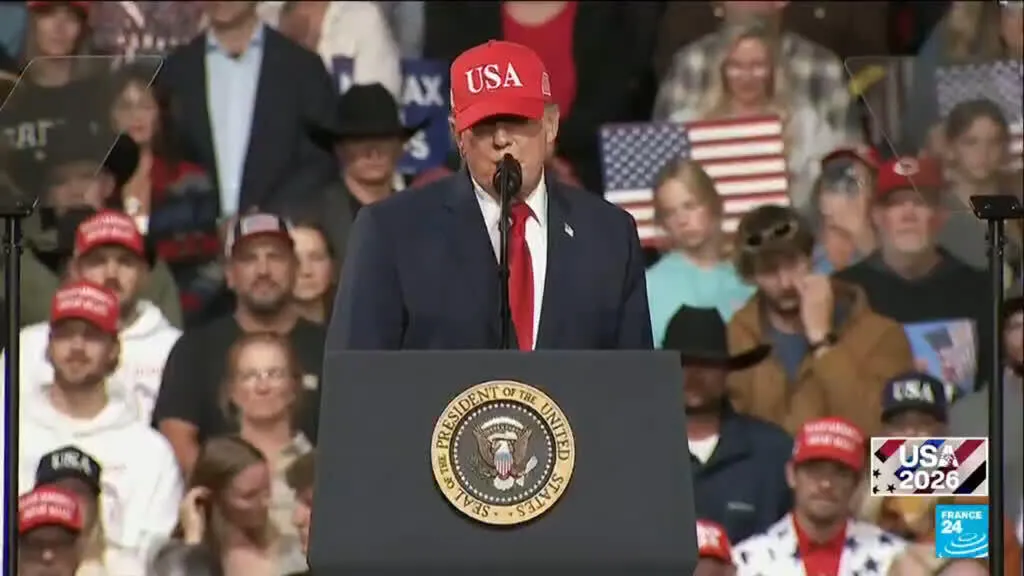
Hot September CPI: energy costs surge, voters feel the squeeze before midterms
The latest inflation print lands as Trump campaigns for GOP control of Congress, putting cost-of-living worries at the center of the midterm fight.