
78% of MPs' staff report threats; 1 in 3 fears for safety
A Westminster survey of 500+ staffers finds threatening communication is widespread, pushing MPs to tighten physical security fast.

A Westminster survey of more than 500 MPs' staff members finds 78% received threatening communication and nearly one in three fear for their own safety or colleagues. Decision-makers now face mounting pressure to upgrade security amid physical attacks and threatening calls and messages.
A Westminster survey of more than 500 MPs’ staff members found 78% had received threatening communication, and nearly one in three said they feared for their own safety or that of colleagues. That is the headline number, and it matters because it is not coming from a political commentator or a think tank. It is coming from the people who run the day-to-day machine around MPs, often working where threats can move quickly from inbox to hallway.
The survey also sits alongside reports that some MPs’ staff have been physically attacked, and that hundreds have received threatening calls and messages. Put together, the picture is blunt: this is not only about offensive rhetoric. Staffers are describing a security environment where psychological distress can rise to clinical levels, and where physical harm is not theoretical.
According to the source, the survey is described as exclusive and finds that one in two staffers experience psychological distress at clinical levels. That line is critical for executives and board members because it translates political conflict into workplace risk. When distress is “clinical levels,” it becomes less about stress as an individual coping issue and more about the organization’s duty of care. In any high-contact environment, when a significant share of staff report threats, the institution has to treat security, incident response, and staff wellbeing as connected systems, not separate departments.
This is happening inside Westminster, where the incentives are unusual. MPs depend on staff to deliver constituent services, handle sensitive information, and manage high volume communications. Staff are also often the bridge between power and the public. That means they can become the visible target, especially when political messaging escalates. The survey result that 78% received threatening communication suggests the channel is already operational at scale. Threats and intimidation do not require proximity. A call, a message, and a rumor can circulate fast, and once that behavior becomes normalized, staff can feel they are living with risk rather than responding to rare incidents.
So what does “tightened security” actually mean here? The source frames it as an urgent call from staff employed by MPs for security to be urgently tightened after physical attacks and threatening communications. The stakes are physical and psychological. In plain terms, that pushes institutions toward faster prevention, clearer escalation paths, and more robust monitoring of communications that signal imminent harm. It also implies that support systems should not wait for a violent event before acting. If hundreds received threatening calls and messages, then there is already a volume signal that security practices need to be reviewed under real world conditions.
For decision-makers, there is also a second-order concern: if you do not treat threats as a security issue, you risk turning it into a staffing issue. The source says nearly one in three staff fear for their own safety or that of colleagues. That kind of fear can lead to higher turnover, lower retention of experienced staff, and difficulty hiring talent who do not want to step into a high-risk environment. And with one in two experiencing clinical levels of psychological distress, the cost is not just reputational. It can become a disruption problem, slowing operations and weakening the capacity of MPs’ offices to serve constituents effectively.
There is a regulatory and governance angle too, even if this specific piece is political reporting rather than enforcement. In many workplaces, organizations are expected to manage “work-related” risks through policies, training, incident reporting, and support. When distress reaches clinical levels tied to threats, leaders have to be able to show that they are addressing it systematically. That can include documenting incidents, improving reporting pathways, and coordinating with security measures that can handle both communications threats and physical attack scenarios. The point is not to over-lawyer the story. It is to recognize that a security posture is part of operational resilience.
Peers in similar roles, including executives at other institutions that sit at the intersection of public pressure and concentrated influence, can take a clear lesson from the survey’s findings. A threat environment is measurable, and in this case it is measurable at high frequency. When 78% report threatening communication and nearly one in three fear for safety, leadership teams cannot treat intimidation as noise. They need to act on it as a real operational hazard, because staff wellbeing and security are outcomes you either manage or you explain away later.
This story's Key Insights and Take-aways are locked.
Create a free account to unlock Executive Actions for one credit.
Register to UnlockAlways free for Executives Club members. Join the Club
More in Politics
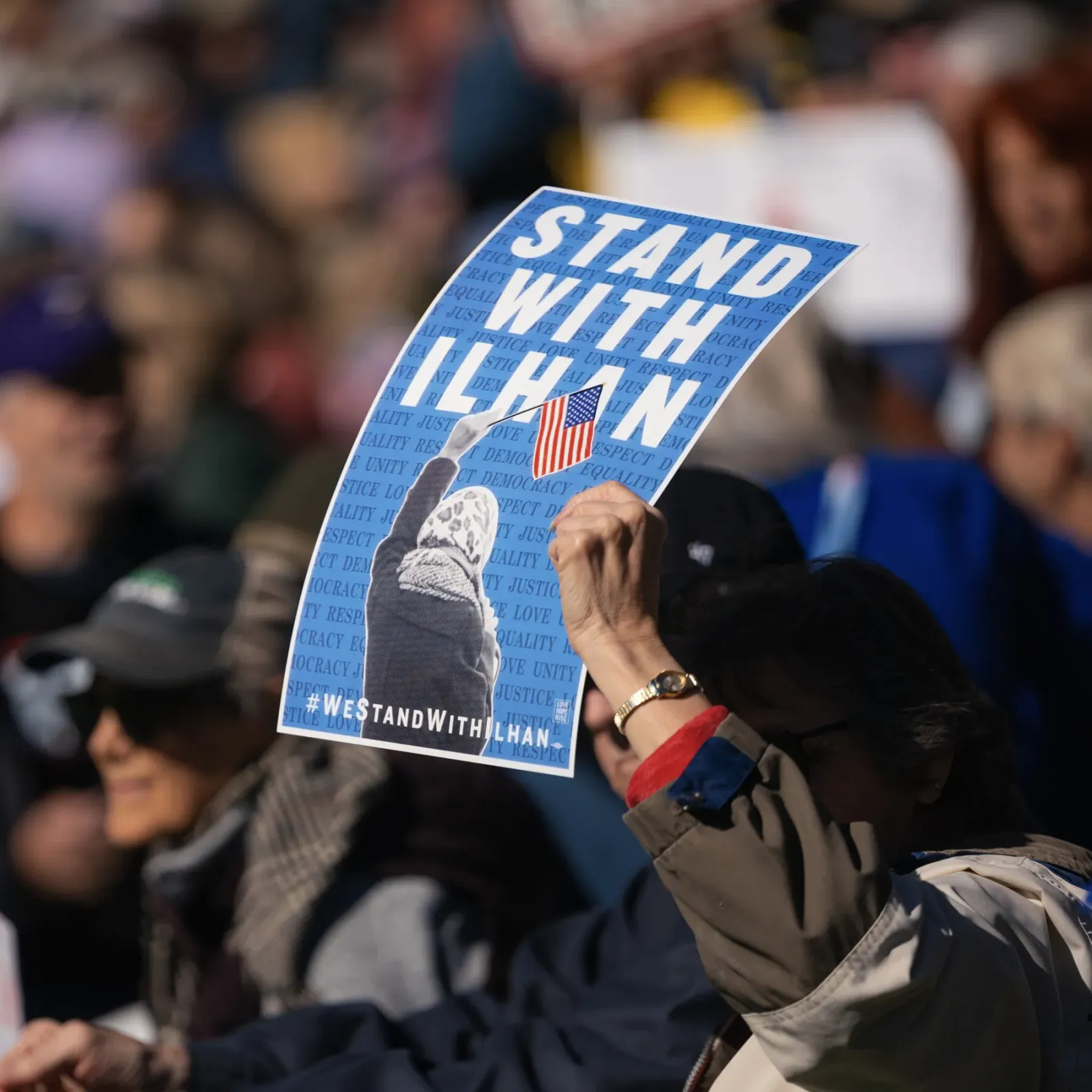
Obama Defends Ilhan Omar After Agents Search Her Home in Trump Inquiry
The former president's intervention raises the stakes in a federal probe into immigration paperwork that has put a prominent progressive lawmaker in the crosshairs.

Blair-era minister: cut welfare to fund youth job support
Alan Milburn's call for welfare cuts to fund employment support opens a Labour fight over benefits and the Neet crisis.

Hot September CPI: energy costs surge, voters feel the squeeze before midterms
The latest inflation print lands as Trump campaigns for GOP control of Congress, putting cost-of-living worries at the center of the midterm fight.