
Obama Defends Ilhan Omar After Agents Search Her Home in Trump Inquiry
The former president's intervention raises the stakes in a federal probe into immigration paperwork that has put a prominent progressive lawmaker in the crosshairs.
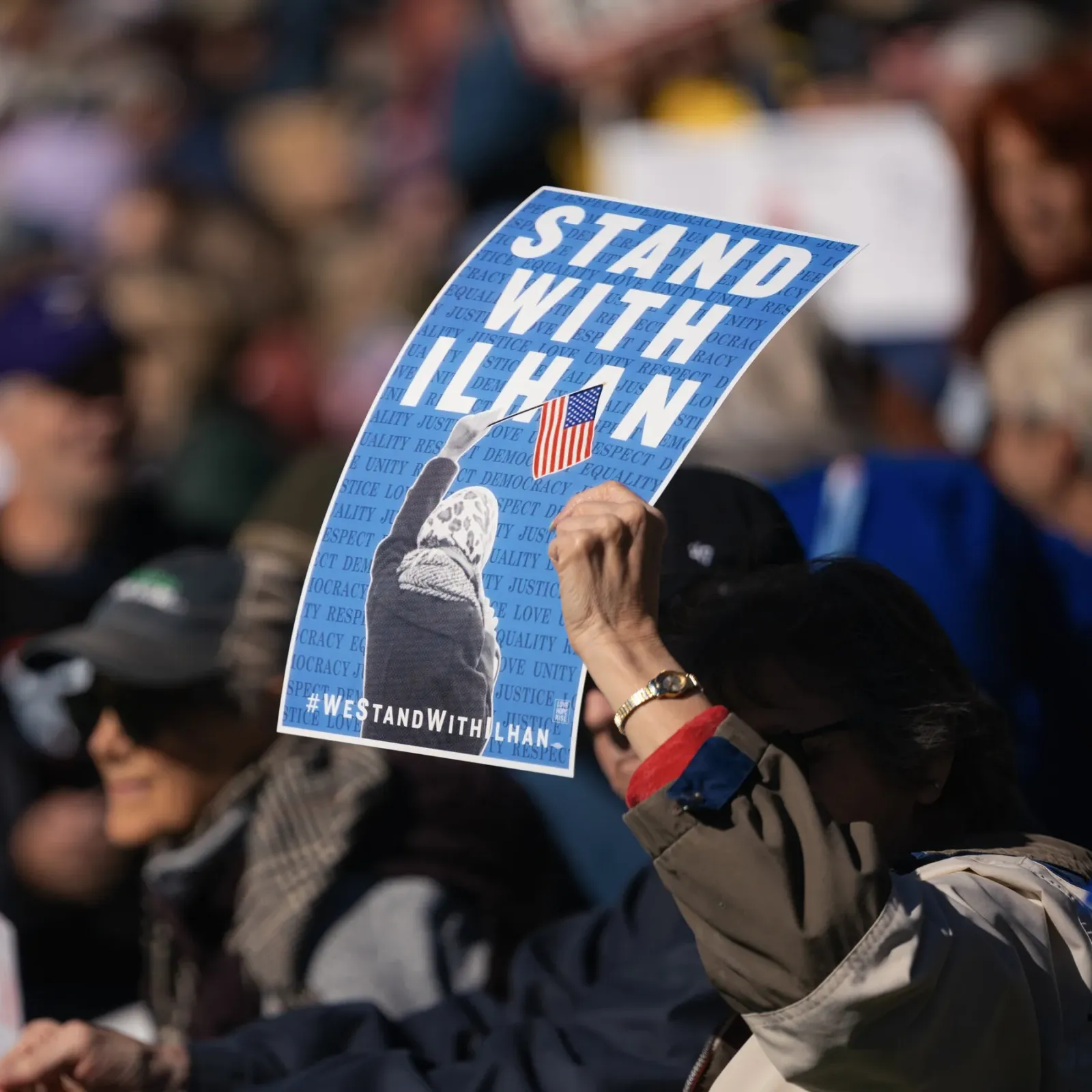
Former President Barack Obama publicly defended Rep. Ilhan Omar (D-Minn.) after federal agents searched her Washington home and subpoenaed family members in a Trump administration inquiry into alleged immigration paperwork fraud. The move escalates a politically charged case that could reshape how lawmakers and executives respond to federal investigations.
Federal agents searched Rep. Ilhan Omar's Washington home last week and issued subpoenas to some of her family members, part of a Trump administration inquiry into suspected fraud in immigration paperwork. The search thrust the Minnesota Democrat into the center of a political firestorm, and former President Barack Obama has now stepped in to defend her, signaling that the case has become a proxy battle over the independence of federal law enforcement.
Obama's defense is significant because Omar is not just any backbencher. She is a Democratic congresswoman from Minnesota and one of the first Muslim women elected to Congress, a naturalized U.S. citizen and a sharp critic of the president's immigration policies. The search of a sitting lawmaker's home is rare, and the subpoenas to family members suggest the investigation is broad. By weighing in, Obama has put his political capital behind Omar and turned the inquiry into a test of whether the Trump administration is using federal agencies to target its opponents.
The source does not specify the exact allegations beyond "fraud in immigration paperwork." For context, such investigations typically examine whether an individual made false statements or submitted fraudulent documents to obtain a visa, green card, or citizenship. In Omar's case, her background as a refugee and naturalized citizen has been well documented, though no charges have been filed. The search warrant and subpoenas are investigative steps, not proof of wrongdoing.
The political timing is fraught. Omar has been a vocal member of the progressive wing of the Democratic Party, and her criticism of Israel has already made her a target of both Republicans and some Democrats. The home search has given her allies a rallying point, and Obama's defense is likely to intensify pressure on the Justice Department to explain its actions. For the Trump administration, the inquiry risks looking like retaliation against a prominent critic, a perception that could damage public trust in federal law enforcement.
For executives and board members, the episode is a case study in how a regulatory or criminal inquiry can escalate quickly and become a public relations crisis. Even if the investigation ultimately finds no wrongdoing, the mere fact that federal agents searched a lawmaker's home creates a narrative that is hard to shake. The lesson is to ensure that all personal and corporate paperwork, especially immigration documents for employees or executives, is meticulously accurate and compliant.
The case also has second-order implications for the broader business community. Federal agencies have wide latitude to issue subpoenas and execute search warrants, and companies that operate in politically charged environments should have crisis communication plans in place. The Omar case shows that even the most prominent individuals are not immune from scrutiny, and that the court of public opinion can move as fast as the courts themselves.
Obama's intervention does not change the legal facts, but it changes the political calculus. It signals that Democrats will treat the inquiry as a potential abuse of power, and it puts pressure on the administration to show that the investigation is based on evidence, not animus. For leaders watching from the sidelines, the takeaway is clear: in an era of heightened political polarization, any encounter with federal investigators can become a defining moment, and having credible allies can make all the difference.
This story's Key Insights and Take-aways are locked.
Create a free account to unlock Executive Actions for one credit.
Register to UnlockAlways free for Executives Club members. Join the Club
More in Politics

Blair-era minister: cut welfare to fund youth job support
Alan Milburn's call for welfare cuts to fund employment support opens a Labour fight over benefits and the Neet crisis.
Hot September CPI: energy costs surge, voters feel the squeeze before midterms
The latest inflation print lands as Trump campaigns for GOP control of Congress, putting cost-of-living worries at the center of the midterm fight.

Bollywood Star Imran Khan Fights Oct. 28 India Exit Order in Court
Bollywood star Imran Khan's court fight over a protest-linked exit order puts every OCI cardholder's political risk in focus.