
Bollywood Star Imran Khan Fights Oct. 28 India Exit Order in Court
Bollywood star Imran Khan's court fight over a protest-linked exit order puts every OCI cardholder's political risk in focus.
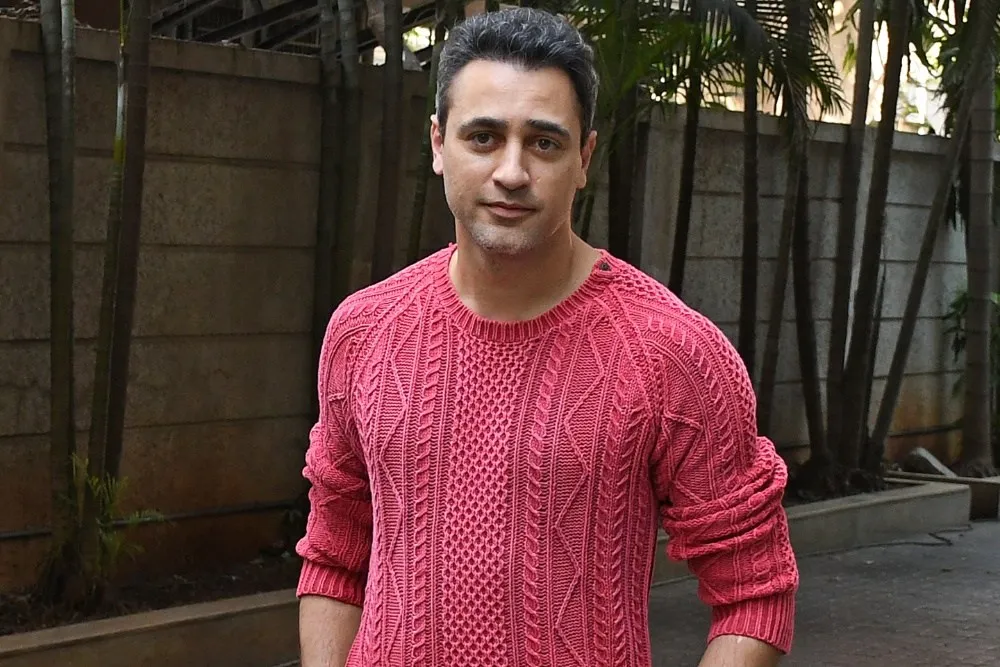
Bollywood actor Imran Khan, an American national living in India on an Overseas Citizen of India card, is challenging a government order requiring him to leave by Oct. 28 after attending a protest demanding Chief Election Commissioner Gyanesh Kumar step down. The case signals that political activism is a material legal risk for foreign nationals and OCI holders in India, with direct implications for diaspora talent, employers, and the entertainment industry.
Imran Khan is taking his fight to court. The Bollywood actor, an American national living in India on an Overseas Citizen of India (OCI) card, faces a government order requiring him to leave the country by Oct. 28, and he is preparing a legal challenge to overturn it. The order stems from his attendance at a demonstration demanding that Chief Election Commissioner Gyanesh Kumar step down, a protest that has turned a political act into a personal deadline.
Khan is not an obscure figure. He is a Bollywood superstar and the nephew of Aamir Khan, one of Indian cinema's most celebrated actors. His celebrity, however, does not shield him from immigration law: as an American national, he holds OCI status, a lifelong residency permit that grants most rights of a resident but stops short of citizenship. That distinction is now the crux of his legal battle.
For context, the OCI scheme, introduced in 2005, was designed to give the Indian diaspora a durable connection to the homeland. Cardholders can live, work, and study in India indefinitely, own property, and access financial services. But they cannot vote, hold constitutional offices, or take up certain government posts. More importantly, the status is revocable: the Citizenship Act allows the government to cancel an OCI registration on broad grounds, including violation of Indian law or actions deemed against the sovereignty and integrity of the country. Historically, such cancellations have been rare and typically tied to serious criminal matters, which makes Khan's case all the more striking.
The demonstration that triggered the order was itself a flashpoint in Indian politics. Protesters were demanding that Gyanesh Kumar step down as Chief Election Commissioner, a call that reflects deep public and opposition concern over the credibility of India's electoral machinery. The Election Commission has faced sustained criticism in recent years over its handling of elections, and the demand for Kumar's resignation has become a rallying cry for those questioning the integrity of the process. Khan's decision to appear at such a demonstration transformed a political controversy into a personal legal crisis.
The timing compounds the stakes. With the Oct. 28 deadline days away, Khan's court challenge is a race against the clock. If the court grants relief, he can remain in India while the order is reviewed on its merits. If not, he faces the prospect of leaving the country he has called home, uprooting his career, his family, and his life in the process. The case also raises a question that extends far beyond one actor: what are the limits of political speech for foreign nationals living in India? For a country that courts its diaspora as investors and brand ambassadors, the answer carries real economic weight.
For the broader diaspora, the implications are significant. India's OCI cardholders include entrepreneurs, investors, tech workers, and creators who have built careers in the country while holding foreign passports. Many have assumed that their status, while not citizenship, offered a stable foundation for long-term life in India. Khan's case is a reminder that the foundation is more conditional than it appears, and that political activity, even lawful protest, can trigger consequences that ordinary residents would never face.
The entertainment industry is watching closely as well. Bollywood has grown increasingly cautious about political statements in recent years, and Khan's situation is likely to reinforce that caution. For actors, creators, and public figures with foreign citizenship, the message is stark: visibility amplifies risk. What might be a routine protest for an Indian citizen can become an existential threat for someone on an OCI card. The industry's global ambitions, which depend on stars who move freely across borders, now collide with a domestic reality where political choices carry immigration consequences.
For executives and decision-makers, the strategic takeaway is clear. If you hold OCI status or employ people who do, political exposure is a risk factor that deserves the same attention as regulatory or market risk. The rules governing residency are not static, and the consequences of a misstep can be swift and severe. Khan's fight is his own, but the lesson is universal: in a world where borders and politics increasingly intersect, status is not a given. It is a privilege that can be revoked.
This story's Key Insights and Take-aways are locked.
Create a free account to unlock Executive Actions for one credit.
Register to UnlockAlways free for Executives Club members. Join the Club
More in Politics
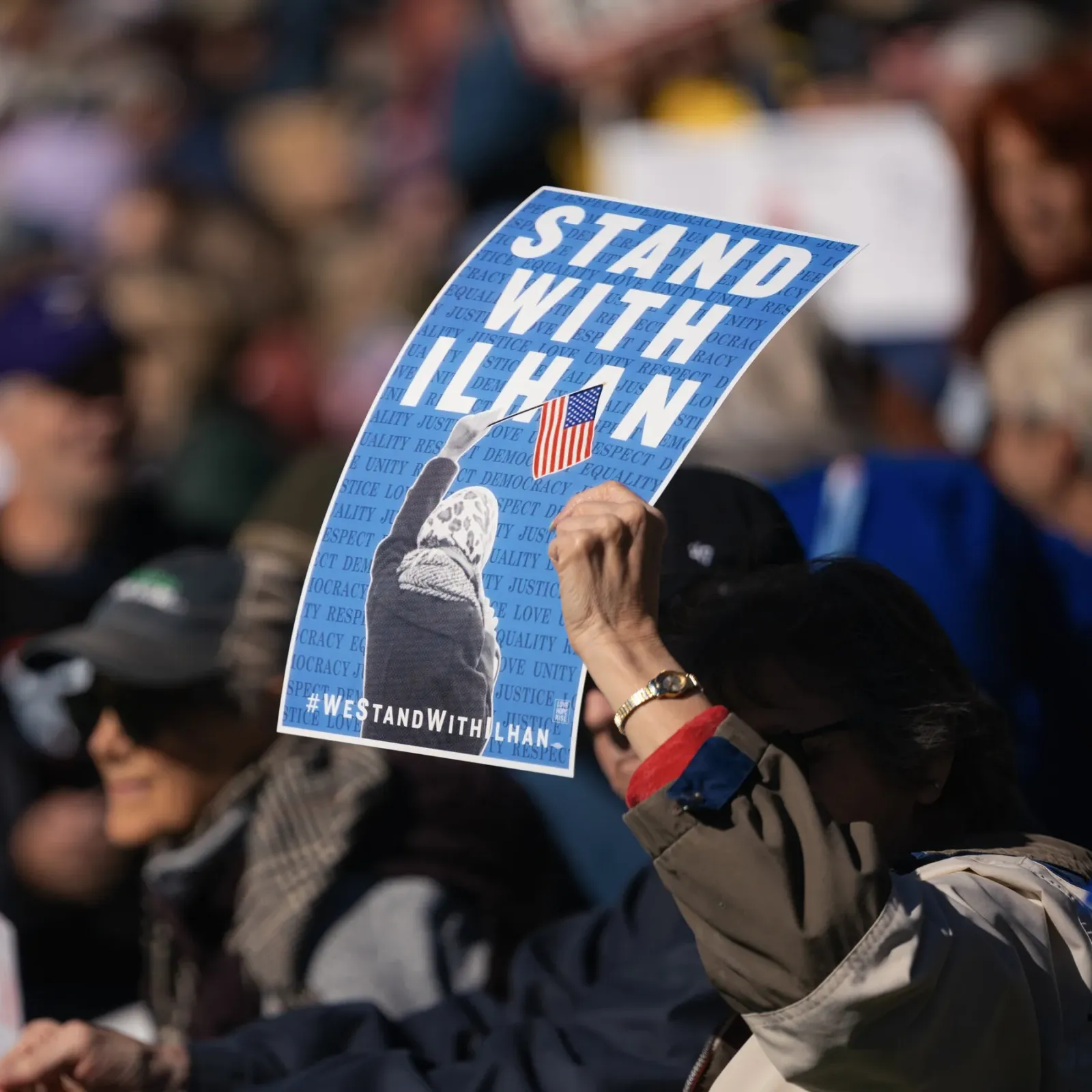
Obama Defends Ilhan Omar After Agents Search Her Home in Trump Inquiry
The former president's intervention raises the stakes in a federal probe into immigration paperwork that has put a prominent progressive lawmaker in the crosshairs.

Blair-era minister: cut welfare to fund youth job support
Alan Milburn's call for welfare cuts to fund employment support opens a Labour fight over benefits and the Neet crisis.
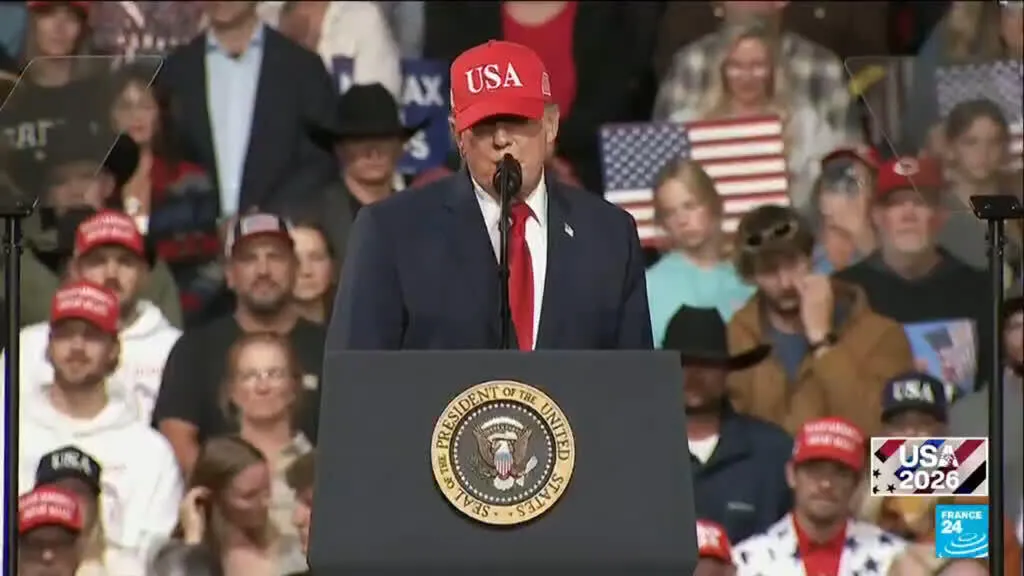
Hot September CPI: energy costs surge, voters feel the squeeze before midterms
The latest inflation print lands as Trump campaigns for GOP control of Congress, putting cost-of-living worries at the center of the midterm fight.