
Blair-era minister: cut welfare to fund youth job support
Alan Milburn's call for welfare cuts to fund employment support opens a Labour fight over benefits and the Neet crisis.

Alan Milburn, the Tony Blair-era health secretary and author of a government-led review, told the Guardian that ministers should cut welfare spending to fund more employment support for young people. The proposal opens a contentious debate within Labour over welfare cuts and how to end the Neet crisis.
Alan Milburn, the Tony Blair-era health secretary and author of a government-led review, has thrown a grenade into the UK's youth unemployment debate: cut welfare spending to pay for more employment support. In an exclusive interview with the Guardian, Milburn said ministers should reduce benefits payments to help fund the upfront investment needed 'if we are going to end the Neet crisis.' The proposal lands directly in a Labour party already wrestling with how to position itself on welfare, and it forces a question every government faces: do you fund opportunity by trimming the safety net, or protect the safety net and risk leaving a generation behind?
The stakes are not abstract. Neet - 'not in education, employment, or training' - is the label attached to hundreds of thousands of young Britons, and the economic cost runs into the billions in lost productivity, higher benefits, and strained public services. Milburn, who led the government-commissioned review into the problem, is arguing that the current system is failing and that a serious fix requires money upfront. His answer to where that money comes from is deliberately provocative: take it from the welfare budget itself. That framing reframes the debate from 'how much do we spend' to 'what are we willing to reallocate' - a much harder political question.
The timing matters. The Labour party, under Keir Starmer, has spent years trying to shed the reputation of being soft on welfare and fiscal responsibility. A senior Blair-era figure calling for benefit cuts gives political cover to those who want to appear tough on spending, but it also hands ammunition to the left, which has long argued that cutting benefits punishes the vulnerable rather than fixing structural problems. Milburn's intervention is not a policy proposal from the government; it is a signal that the intellectual battle over welfare is far from settled, and it will resonate inside Westminster and beyond.
For business leaders and investors, the Neet crisis is not just a social issue - it is a labor market issue. Employers across the UK report chronic skills shortages, and a generation of young people outside the workforce means a smaller talent pool, higher recruitment costs, and slower productivity growth. Milburn's argument is that upfront investment in employment support - whether through training, apprenticeships, or job coaching - would eventually reduce the welfare bill by moving more people into work. That is the classic 'invest to save' logic, and it is the same logic that underpins many corporate decisions to spend on reskilling rather than hiring externally.
The political risk is obvious. Welfare cuts are among the most toxic issues in British politics, and any proposal to reduce benefits will face fierce opposition from campaign groups, unions, and Labour's own left wing. Milburn is not in government, and his review is not binding, but his voice carries weight because of his history. As health secretary under Tony Blair, he was a key architect of the New Labour project, which positioned the party as fiscally disciplined and willing to reform public services. His intervention suggests that the old New Labour instinct - that you can be tough on welfare and still be progressive - is still alive.
The broader context is that the UK has struggled with youth unemployment for decades, and the Neet rate has proven stubbornly resistant to economic growth. Even when the economy expands, a significant minority of young people remain disconnected from work and education, often due to mental health issues, caring responsibilities, or a lack of basic qualifications. Milburn's review was commissioned to address exactly this stubbornness, and his call for upfront investment is a recognition that cheap fixes have not worked.
For executives and boards, the lesson is not about UK politics specifically. It is about the trade-off between short-term cost and long-term capability. Milburn is essentially arguing that the state should treat young people as an asset worth investing in, even if that means reallocating money from other parts of the system. Companies face the same choice when deciding whether to fund apprenticeships, entry-level training, or partnerships with schools. The firms that treat the talent pipeline as a strategic investment, rather than a cost to be minimized, tend to build deeper and more resilient workforces.
The coming weeks will show whether Milburn's proposal gains traction inside Labour or is quietly buried. Either way, the debate he has reignited is not going away. With an election cycle approaching and the cost-of-living crisis still squeezing households, the question of how to fund support for young people - and who pays for it - will be central to the political conversation. For anyone watching the UK economy, the signal is clear: the Neet crisis is no longer just a social problem, it is a fiscal and political battleground with direct consequences for the future workforce.
This story's Key Insights and Take-aways are locked.
Create a free account to unlock Executive Actions for one credit.
Register to UnlockAlways free for Executives Club members. Join the Club
More in Politics
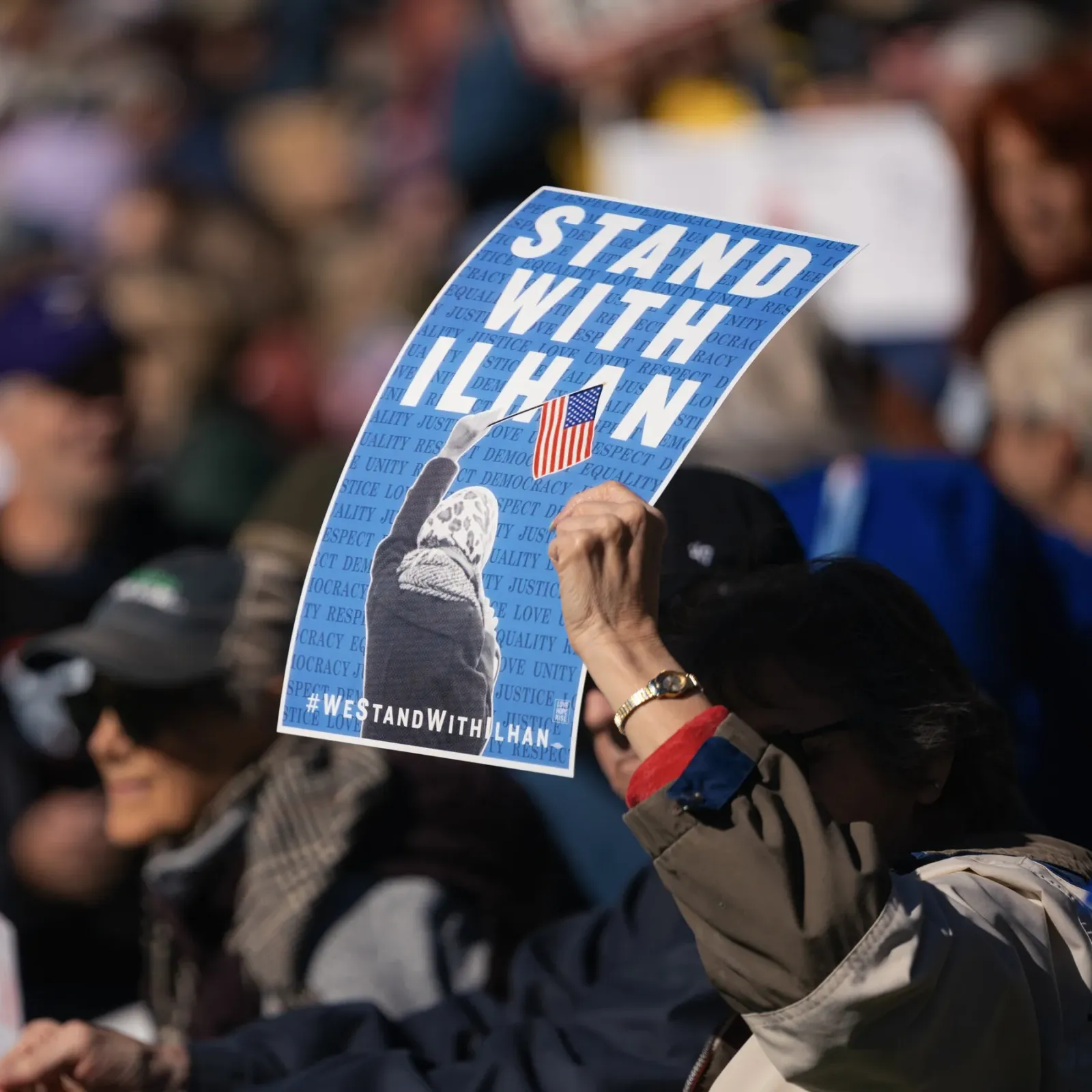
Obama Defends Ilhan Omar After Agents Search Her Home in Trump Inquiry
The former president's intervention raises the stakes in a federal probe into immigration paperwork that has put a prominent progressive lawmaker in the crosshairs.
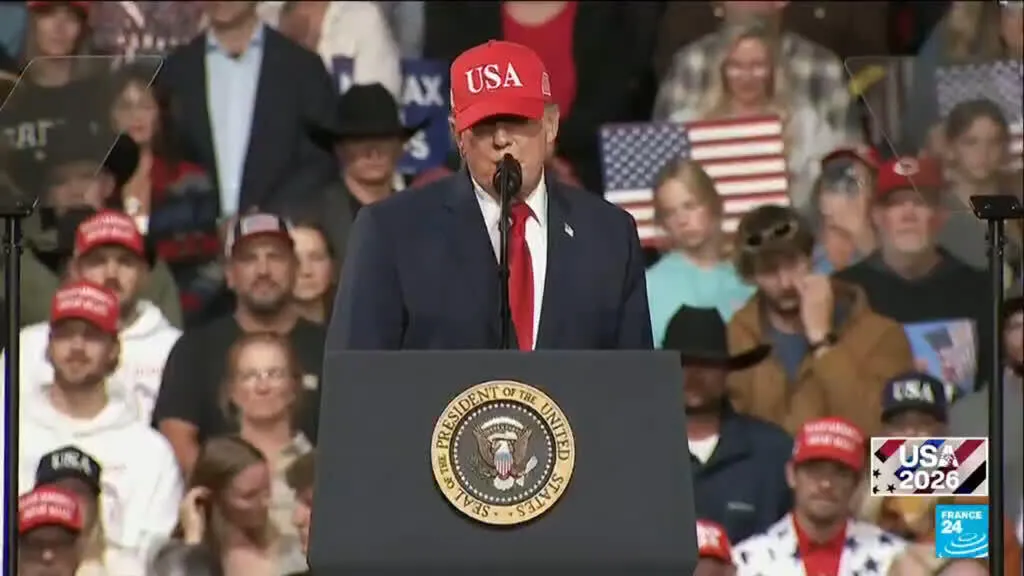
Hot September CPI: energy costs surge, voters feel the squeeze before midterms
The latest inflation print lands as Trump campaigns for GOP control of Congress, putting cost-of-living worries at the center of the midterm fight.

Bollywood Star Imran Khan Fights Oct. 28 India Exit Order in Court
Bollywood star Imran Khan's court fight over a protest-linked exit order puts every OCI cardholder's political risk in focus.