
600-mile EV road trip data shows DC fast charging is finally dependable in the U.S.
The trip’s proof point is speed plus reliability, and it changes how buyers, operators, and investors underwrite charging networks.
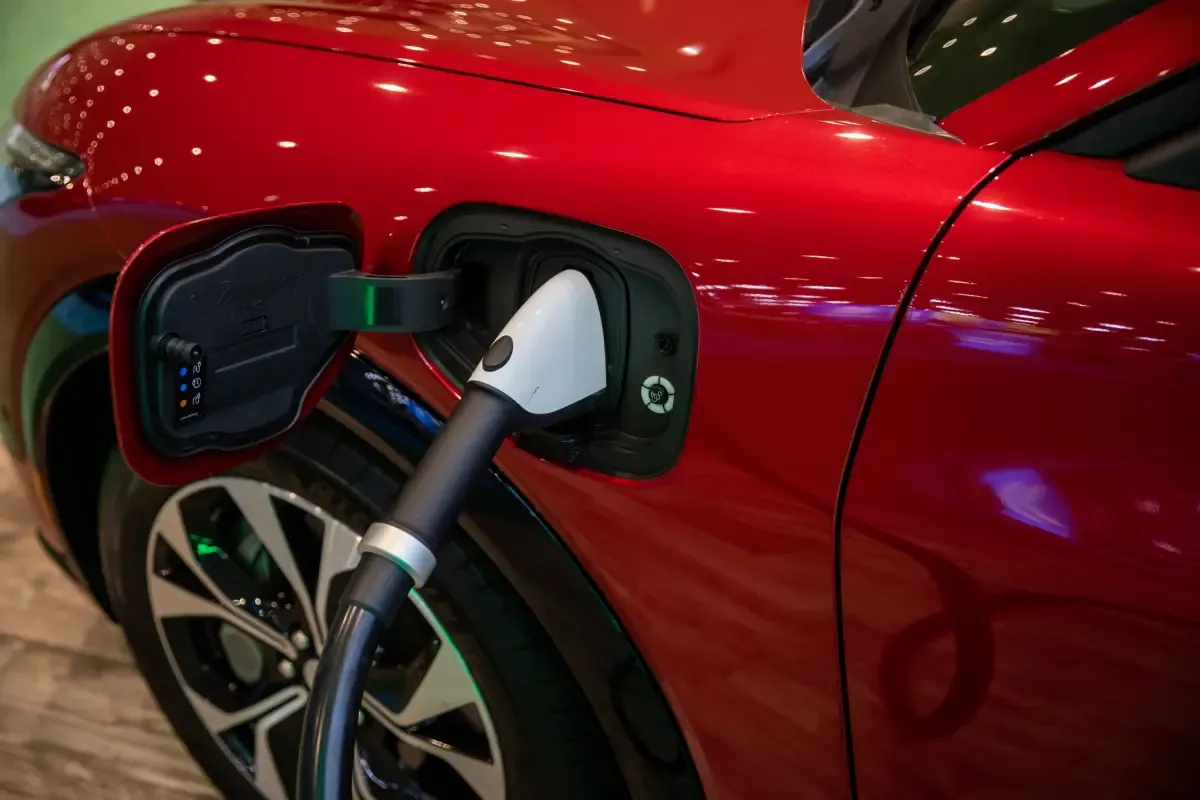
A recent 600-mile road trip in an EV used data to demonstrate that U.S. DC Fast charging is getting faster and more reliable. For decision-makers, that means charging uptime and time-to-charge are less guesswork and more planning inputs.
A 600-mile EV road trip, backed by data, is making a point that the market has been arguing about for years: DC Fast charging in the U.S. is no longer just “possible.” It is demonstrably faster and more reliable than the caricature people still carry around.
That is the core of the TechCrunch report. The story is not a lab test or a marketing brochure. It’s a real road trip in an EV, and the data from the trip is the evidence that DC Fast charging “doesn’t suck anymore.” In plain terms, the experience is closer to what drivers need to treat charging as part of normal travel, not a stressful side quest.
To understand why this matters, you have to zoom out to how DC Fast charging networks usually get evaluated. Historically, the conversation has skewed toward availability and worst-case experiences. Drivers did not just want higher speeds. They wanted fewer dead chargers, less guesswork, and less “will this unit work today?” That uncertainty is expensive. It affects consumer confidence, trip planning, and ultimately whether people are willing to choose an EV for anything beyond short, predictable routes.
DC Fast charging is the key bridge technology because it is what turns long-distance EV use from “charge whenever you can” into “charge on schedule.” And once the experience improves, the whole economics of the category shift. Better reliability reduces churn and lowers the cost of customer acquisition for networks and automakers because fewer prospects fall off at the first bad day. It also makes it easier for operators to forecast utilization. When uptime is more stable and charging sessions finish in a more consistent time window, you can build business cases that are less dependent on optimistic assumptions.
There is also a policy backdrop to this. The U.S. has been pushing to expand and modernize charging infrastructure, with federal and state efforts aimed at accelerating buildout and improving coverage. But policy can only do so much if the underlying experience is unreliable. Reliability becomes the true north metric because it is what drives real adoption. In that context, data from a 600-mile trip is not a trivia win. It is a market signal: the improvements are showing up in the driver’s day-to-day reality.
What is especially important for executives is that the story is about both speed and reliability, not one or the other. Speed without reliability can still create frustration. Reliability without speed can still make charging feel like an interruption that never ends. The report’s emphasis on faster and more reliable DC Fast charging suggests the category is converging on the two things that matter in practice: how long you spend plugged in, and whether you can count on getting a working connection when you arrive.
Second-order implications follow quickly. If DC Fast charging is getting more dependable, boards and investors can underwrite network performance with less operational hand-waving. That can influence how capital is allocated, how contracts are structured, and how expansion plans are timed. It may also affect competitive dynamics between network operators and retail locations that host chargers, because higher driver satisfaction can translate into stronger demand and better utilization.
For automakers and EV fleet operators, this kind of improvement can change how routes are planned and how charging is modeled. Fleet managers care about throughput, downtime, and the variability of charge sessions. Consumer buyers care about whether the “charging problem” is something they will personally experience on a trip they cannot easily reschedule. A 600-mile data-backed road trip being used as evidence signals the gap between perception and reality may be narrowing.
The strategic stakes are simple. If DC Fast charging is truly becoming faster and more reliable in the U.S., then the EV adoption curve does not just depend on vehicle price or incentives. It also depends on the infrastructure experience keeping up with mainstream expectations. And for anyone building, funding, or governing the charging ecosystem, that turns infrastructure from a nice-to-have add-on into a measurable driver of growth.
This story's Key Insights and Take-aways are locked.
Create a free account to unlock Executive Actions for one credit.
Register to UnlockAlways free for Executives Club members. Join the Club
More in Technology

Google quietly links your phone number to every Android account on your SIM
Adding a SIM now ties your phone number to all Google accounts - and future accounts inherit it. Here's the security and privacy stakes.

Hijacker AI 'Skynet mode' runs 100,000 attack steps against exposed models
Symantec caught a criminal AI agent that borrows other models, steals data, and mines crypto; the only relief is no confirmed victims yet.

Nvidia's AI-financier shift faces its first big test as neoclouds stumble
A rout in neocloud stocks is forcing investors to weigh Nvidia's hidden exposure as both supplier and lender to the AI buildout.