
68 dead in Spain's second high-speed rail crash in 9 months
PM Pedro Sánchez demands safety fixes after a RENFE train rear-ended a stopped IRYO train, exposing strain from privatization.
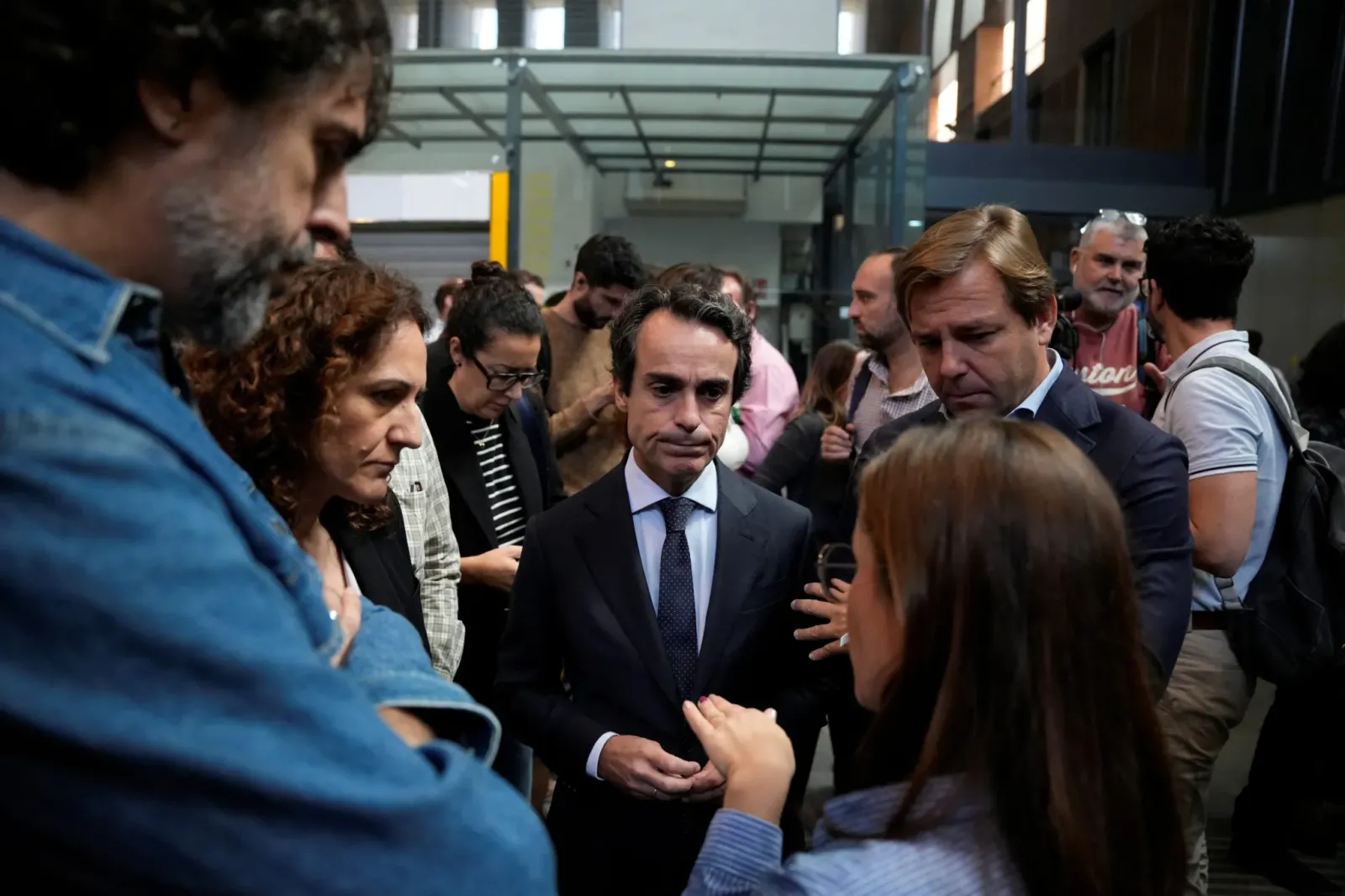
Spanish Prime Minister Pedro Sánchez called for increased safety measures after a high-speed train collision killed at least 68 people, the country's second deadly rail crash this year. The crash raises urgent questions for transport executives and regulators about infrastructure upkeep and the risks of liberalized rail competition.
At least 68 people died Wednesday when a high-speed train slammed into another stopped on the tracks in central Spain, the second deadly high-speed rail collision in the country in nine months. Spanish Prime Minister Pedro Sánchez, facing a Nov. 29 reelection vote, called the situation "unacceptable" and announced three days of mourning. "Today all of Spain is grieving," he said from the crash site.
The crash happened in the province of Toledo, where a state-owned RENFE train carrying 397 passengers struck the rear of a private IRYO train carrying 147 passengers. Transport Minister Óscar Puente said a computer malfunction disabled the security system on a 63-kilometer stretch at 8:30 a.m., and a central command center then told the RENFE train to resume running without speed restrictions, despite an active stop signal. It hit the stopped IRYO train at 8:53 a.m., possibly at 200 kph. Puente called the order "inexplicable" and said engineers were not to blame.
The disaster is a brutal blow to a rail system that was once a source of national pride. Spain opened its dedicated high-speed network in 1992 and had not suffered a fatal crash on those lines until this year. The country has built roughly 3,900 kilometers of high-speed track for its 49 million residents, making it a global leader. Only China, with 45,000 kilometers for 1.4 billion people, has more, according to the International Union of Railways.
The January crash, in which 46 people died when an IRYO train jumped the track and hit an oncoming RENFE train in southern Spain, was the deadliest since a 2013 derailment that killed 80. Wednesday's collision came just nine months later, and the same two companies were involved. Spain only recently opened its network to private operators, and Italian-owned IRYO began service in 2022.
Joan Rodríguez, a spokesperson for Spain's train workers' union, said privatization has put extra strain on infrastructure. "We are not convinced that the liberalization of the high-speed passenger rail service was matched by the necessary upkeep of the lines," he told TVE. He stopped short of calling it a determining factor, but said increased network use is "a factor to keep in mind."
Rescue workers searched wreckage scattered down a gravel slope near olive fields between Urda and Los Yébenes. Survivors described chaos. British tourist Samy Paul told the AP, "Suddenly, everything started falling apart. Bang! We fell down." Construction worker David Gómez told El País he helped pull people out, including a young woman, and saw "a piece of a leg." Rail service was suspended between Madrid, Ciudad Real and Andalusia. Spain's King Felipe VI visited the site, European Commission President Ursula von der Leyen offered condolences, and all 24 Copa del Rey soccer matches were postponed.
For executives and regulators, the crash is a stress test of liberalized infrastructure. Spain's model of opening high-speed lines to competition was meant to lower fares and boost ridership, but the union's warning suggests maintenance and safety investment may not have kept pace with traffic. The transport minister's account points to a failure in command-and-control procedures, not just hardware. When a security system goes down, the decision to resume service at full speed becomes a life-or-death judgment call.
The political stakes are immediate. Sánchez faces an election on Nov. 29, and the crash gives opponents ammunition on public safety and infrastructure management. For transport leaders across Europe, the lesson is clear: privatization without corresponding investment in network upkeep and operational safeguards can turn a source of pride into a liability. The coming investigation will likely scrutinize not just the command center's order, but the broader question of whether Spain's high-speed miracle was built to be maintained.
This story's Key Insights and Take-aways are locked.
Create a free account to unlock Executive Actions for one credit.
Register to UnlockAlways free for Executives Club members. Join the Club
More in Business
Binance scrambles to claw back $6.3B stolen in North Korea-linked hack
The world's largest crypto exchange faces the biggest heist on record, and the recovery effort will test the limits of blockchain forensics.

North Korea's TraderTraitor unit blamed for Binance's record $6.3bn heist
The largest crypto theft on record has rattled markets, slashed billions from token values, and put Binance's security revamp under the spotlight.
Binance probes $6.3B hack, freezes $3B; Polymarket halts trades
Two major trading platforms reported separate security incidents on Thursday, with billions frozen and user funds on the line.