

Binance scrambles to claw back $6.3B stolen in North Korea-linked hack
The world's largest crypto exchange faces the biggest heist on record, and the recovery effort will test the limits of blockchain forensics.
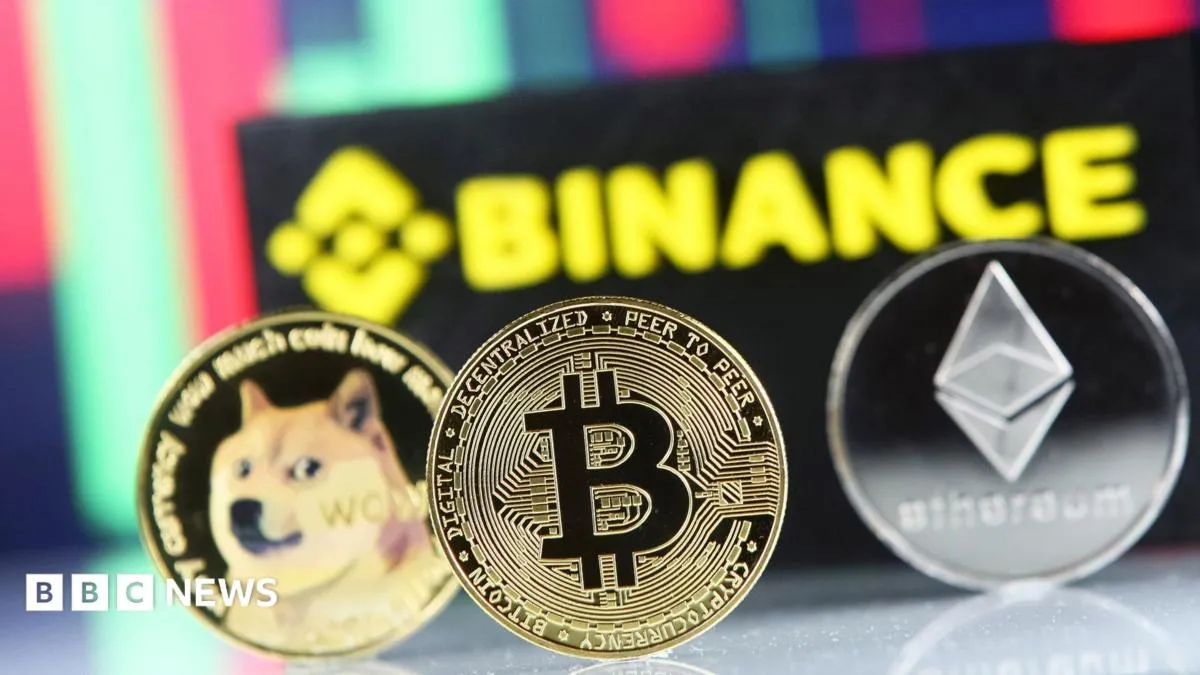
Binance is attempting to recover $6.3 billion stolen in a cyber-attack linked to North Korea, which the company describes as complex and the largest ever of its kind. For decision-makers, the breach signals that state-sponsored theft has reached a scale that will reshape crypto security standards and regulatory expectations.
Binance is trying to claw back $6.3 billion in digital assets stolen in a cyber-attack the company calls "complex" and which is believed to be the largest heist of its kind on record. The breach, linked to North Korea, puts the world's largest crypto exchange in an unfamiliar position: the hunter, not the hunted. The company has confirmed it is attempting to recover the funds, but has not disclosed how much has been frozen or traced so far, or the specific method of the attack.
The scale of the loss is staggering by any measure. Historically, the biggest exchange hacks have been measured in the hundreds of millions: the 2014 Mt. Gox collapse lost roughly $450 million at the time, and the 2022 Ronin bridge theft took about $600 million. A $6.3 billion theft would eclipse those by an order of magnitude, making this not just a corporate crisis but a systemic event for the entire digital asset industry. The fact that the attack is linked to North Korea adds a geopolitical dimension that no previous exchange breach has carried.
State-sponsored hacking groups have repeatedly targeted crypto firms to fund weapons programs, and the U.S. Treasury has sanctioned entities tied to such thefts. For Binance, which has spent years trying to shed a reputation for lax compliance and has faced regulatory fines and executive departures, this hack lands at a delicate moment. The company has been pushing to position itself as a mature, regulated financial institution, and a $6.3 billion state-linked theft threatens to undo that narrative overnight.
The recovery effort will be watched closely by every exchange, custodian, and institutional investor in the space. Recovery in crypto is notoriously difficult: once assets move through mixers, cross-chain bridges, and privacy protocols, tracing becomes a forensic nightmare. Binance has its own blockchain intelligence unit, and it is likely working around the clock to follow the money, but the attackers have a head start and a state sponsor with deep experience in laundering stolen funds. The company has not said whether it has frozen any assets or identified the wallets involved, but the clock is ticking.
Regulators are paying attention too. The hack comes as global authorities push for tighter crypto oversight, and a $6.3 billion state-linked theft will only sharpen that focus. Expect renewed calls for mandatory breach reporting, stricter know-your-customer rules, and perhaps new sanctions on North Korean wallet addresses. The Financial Action Task Force and national regulators may also push for faster cross-border asset freezing mechanisms, though those tools are still in their infancy.
For other exchanges and custodians, the lesson is brutal: even the largest platforms are not immune. The attack's complexity suggests a sophisticated adversary, and the "largest ever" label is a warning that the threat model has escalated. Security budgets will need to rise, and insurance markets for crypto theft may harden as underwriters reassess the risk of state-sponsored attacks. Boards of directors at crypto firms should treat this as a wake-up call to stress-test their own custody and withdrawal systems against a similar scenario.
The strategic stakes extend beyond Binance. If the recovery fails, the $6.3 billion will likely be laundered into North Korea's state coffers, funding further destabilizing activity. If it succeeds, it will be a landmark in blockchain forensics and a major blow to state-sponsored cybercrime. Either way, the hack has reset the bar for what a "worst-case scenario" looks like in digital assets, and every executive in the industry will be measuring their own defenses against this new benchmark.
This story's Key Insights and Take-aways are locked.
Create a free account to unlock Executive Actions for one credit.
Register to UnlockAlways free for Executives Club members. Join the Club
More in Business
North Korea's TraderTraitor unit blamed for Binance's record $6.3bn heist
The largest crypto theft on record has rattled markets, slashed billions from token values, and put Binance's security revamp under the spotlight.

Binance probes $6.3B hack, freezes $3B; Polymarket halts trades
Two major trading platforms reported separate security incidents on Thursday, with billions frozen and user funds on the line.

Suspected Binance hack freezes $3B in assets; exchange vows to cover losses
Crypto firms locked down $3 billion as Binance suspended withdrawals and deposits over a suspected security breach, and here's what it means for digital asset holders.