

7-Eleven pulls $349 million profit from gas-price surge despite fewer customers pumping last quarter
The convenience chain benefited even as Americans bought less gasoline, turning a traffic decline into a margin win that matters for retailers.
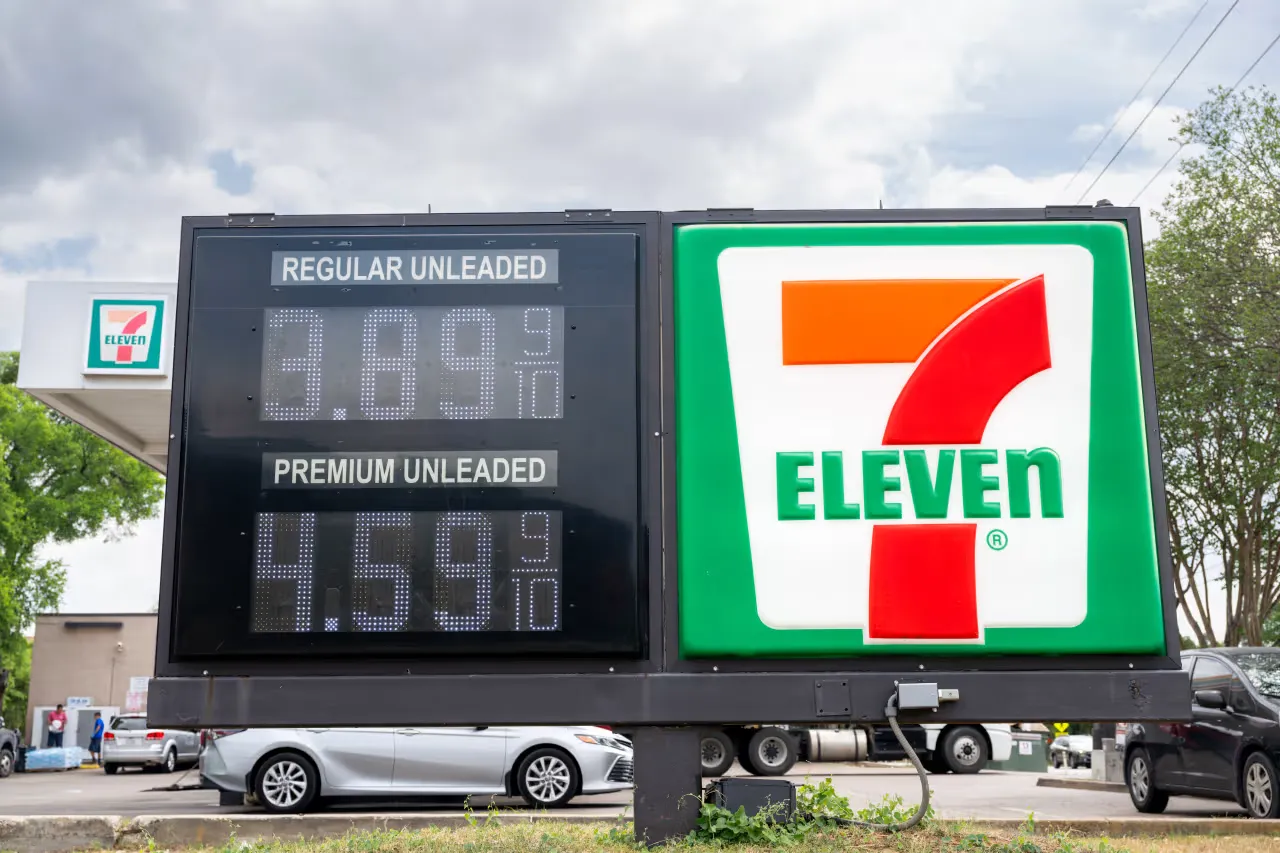
7-Eleven disclosed a $349 million profit from a surge in gasoline prices during the last quarter. For decision-makers, it is a reminder that fuel-linked economics can swing results even when foot traffic and tank fills fall.
7-Eleven disclosed a $349 million profit from the surge in gasoline prices during the last quarter, even as fewer Americans filled their tanks. That combination is the headline’s trick, and it is real: revenue mix and pricing mechanics can move faster than consumer behavior.
In plain English, gasoline at convenience stores is a high-velocity product with thin margins in many normal periods, but it can behave differently when wholesale costs and retail pricing move sharply. The $349 million figure signals that the company’s fuel-linked economics over the quarter came out net positive, despite the reported drop in how many people were pumping. If you are running a retailer with any meaningful fuel operation, that is a live issue, not a curiosity.
This is where convenience-store economics get interesting. Many operators treat gasoline as both a profit pool and a traffic engine. Customers stop for fuel, then they buy snacks, beverages, and other convenience items while they are there. When fewer customers fill their tanks, you might expect the downstream basket to suffer. But the quarter described here points to a counterweight: pricing and cost timing in the fuel chain can still deliver profitability even when volume falls.
There is also a market backdrop behind that fuel pricing surge. Gas prices in the U.S. have been volatile in recent cycles, driven by changes in crude supply, refining costs, distribution logistics, and policy or geopolitical shocks. For retailers, that volatility creates operational and financial timing games. The key question for finance teams is not just where prices end up, but how quickly the retailer adjusts pump prices relative to what it pays to replenish inventory. When the market moves faster than the replenishment cycle, retail pricing can briefly outrun costs. When it moves the other way, the opposite happens.
From a governance perspective, this kind of quarter matters because it can confuse performance narratives. Boards and investors often want to know whether strength is coming from the core convenience business or from external variables like fuel pricing. A $349 million profit tied to a “surge in gasoline prices” makes that distinction unavoidable. The board’s job becomes oversight of disclosure quality: can management clearly explain how much of the quarter’s outcome came from fuel pricing dynamics versus other operating levers like store-level sales, labor costs, or shrink?
Regulatory framing is part of why this is hard to get right. Gasoline pricing is subject to oversight and consumer-protection norms that vary by jurisdiction, and retailers operate within a policy environment that scrutinizes pricing practices and, in some cases, fuel-related transparency. Even if regulators are not directly “approving” margins, the existence of rules and scrutiny can shape how quickly and how aggressively companies change pump prices during market swings. That affects the timing that ultimately determines whether a given quarter looks like a win or a write-off.
For executives at convenience chains, this quarter offers a double lesson. First, you cannot manage the fuel lane only as a volume story, because the price and cost timing can dominate results. Second, you cannot ignore the traffic lane, because a drop in how many people fill their tanks can still pressure in-store categories if it persists. The market data behind the headline says fewer Americans filled their tanks, yet 7-Eleven still disclosed a $349 million profit tied to gasoline price surge. The strategic stakes are obvious: future quarters will likely hinge on whether consumer behavior normalizes while pricing mechanics remain favorable, or whether the fuel benefit fades as prices unwind.
Peers should treat this as a capital allocation and risk-management signal. If gasoline-linked economics can flip performance materially in a single quarter, forecasting models need to incorporate price movement scenarios and inventory timing, not just baseline demand. And when management reports earnings in a period of volatility, the board should press for clarity on how the fuel profit translates into sustainable advantage, and where the downside risk lives if prices reverse.
This story's Key Insights and Take-aways are locked.
Create a free account to unlock Executive Actions for one credit.
Register to UnlockAlways free for Executives Club members. Join the Club
More in Business

AstraZeneca $27B wipeout as Wainua late trial misses cardiovascular target
A failed late-stage heart study triggered a swift market punishment, forcing investors and boards to reset timelines and risk.

Comcast shares jump 25% as it plans to split NBCUniversal and Sky
The tax-free spin-off could reshape focus, funding, and competition across media and tech for years.

Bungie cuts most Destiny 2 staff as Sony says Marathon still matters
Herman Hulst confirms layoffs affecting most Destiny and some Marathon teams after Bungie admits Destiny fell short.