

7 Niseko towns plan Ghost of Yotei tours to pull visitors outside Japan’s ski season
With Ghost of Yotei selling 3.3M+ copies by November 2025, local towns are cashing in on a game’s scenery-first tourism play.
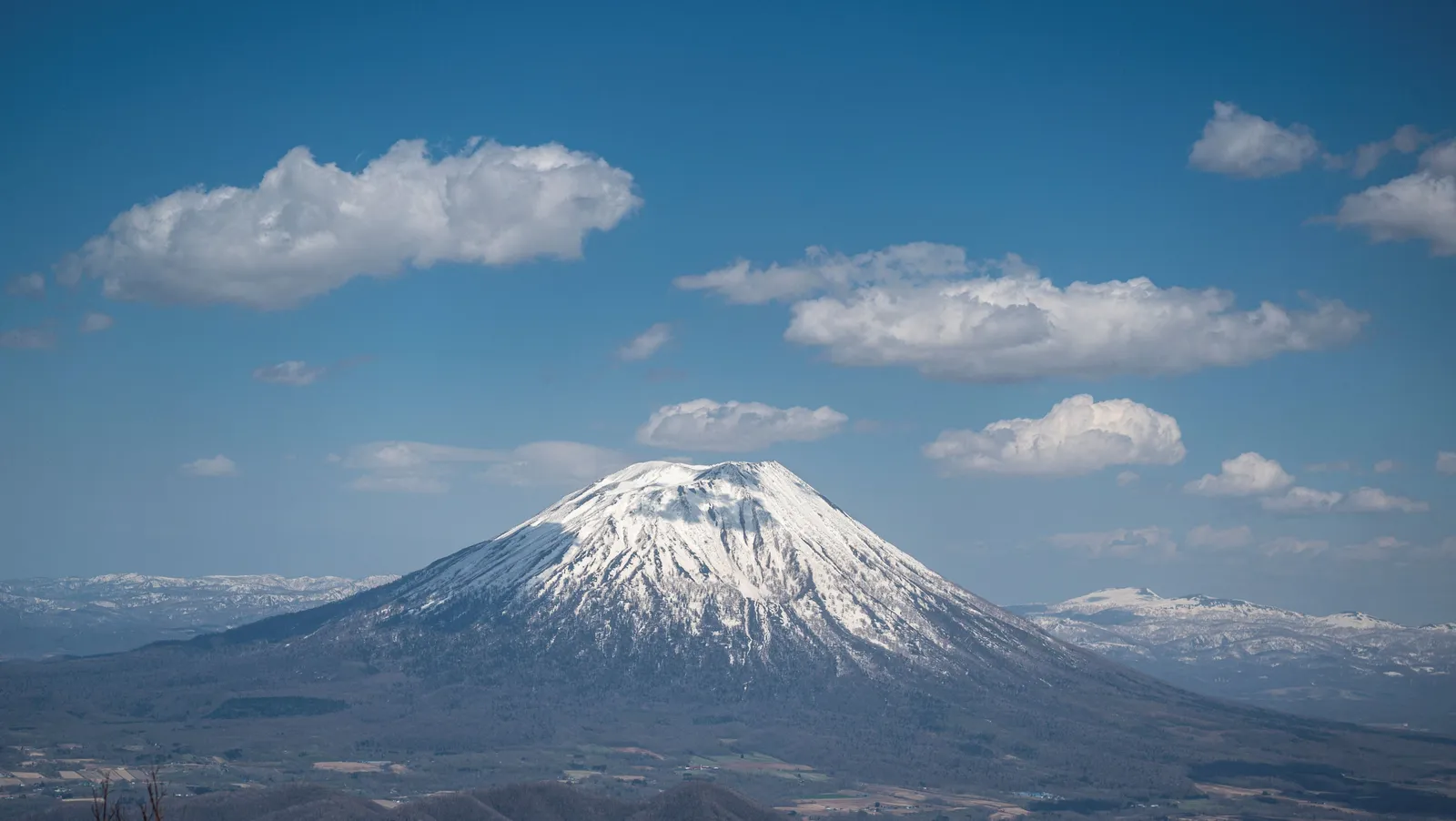
In Hokkaido’s Niseko region, seven towns and tourism associations are forming a group to build tourism strategies around Sucker Punch’s PS5 exclusive Ghost of Yotei. Their aim: attract visitors to the Mount Yotei area beyond winter, using official merch collaborations and curated tours of in-game locations.
Seven towns in Hokkaido’s Niseko region are trying to stretch one blockbuster game into a year-round tourism engine. Their lever is Sucker Punch’s PlayStation 5 exclusive Ghost of Yotei, a title set in 17th century Japan that recreates the natural beauty around real-life Mount Yotei. And the timing matters: Niseko already benefits from high snowfall that keeps the local ski season running from November to May. Outside those months, the same area can slide into quiet season pricing, with luxury hotels charging around 200,000 yen (about $1,200) per night during peak months, dropping to around 10,000 yen (about $60) in the summer off-season.
The blunt problem the towns are solving is seasonality. A spokesperson from the town’s planning and environment division told Nikkei, “We hope that through playing the game, people will discover not only the area’s winter landscape but also its spring, summer and fall scenery, and that this will lead to actual visits.” The group includes seven towns in the Niseko area plus tourism associations, and it formed quickly after Ghost of Yotei was expected to move tourism strategy discussions. A representative from Niseko also signaled where the focus will land: “We want to focus these promotional efforts on seasons other than winter.”
Zoom out and you see what makes this interesting for executives: it is classic demand shaping, but powered by IP instead of a marketing calendar. Ghost of Yotei is set in 17th century Japan, with players in the shoes of Atsu, a warrior seeking revenge on the six men who slaughtered her family. Sucker Punch’s in-depth research trips to Hokkaido are a key part of why the game’s visuals map closely to the real region, including Mount Yotei and its surrounding area. After the game released last October, Japanese people living in the area left positive comments, according to the report. That local reception is not just nice for PR. It is fuel for the towns’ bet that fans will treat the game as a guided tour, not a one-off distraction.
The tourism plan is not limited to vibes. Towns are exploring official merch collaborations with local craftspeople and curated tours of locations featured in the game. Niseko has already teamed up with a Tokyo-based company specializing in IP collaborations. The current merch target is Ghost of Yotei T-shirts, with plans to expand into further officially licensed merchandise. Local businesses are getting pulled into the same orbit: Kumagera, which makes sustainable products carved from local wood, has released a series of Ghost of Yotei badges and magnets. The details here matter because they show the strategy is moving from “visit us” to “buy and participate,” with physical products and itinerary-like experiences.
There is also a measurable commercial tailwind behind the urgency. The source says Ghost of Yotei has sold over 3.3 million copies by November 2025, and that figure is what helped accelerate the discussion group on tourism strategies. If you run marketing, development, or partnerships at an IP-heavy company, that number is the kind of traction that turns a creative launch into a regional economic narrative. For tourism boards and local governments, it is the kind of momentum that can justify coordination across multiple towns, plus the effort required to create something like curated tours instead of relying on foot traffic.
But this is not all upside. The region is watching a cautionary tale from Sucker Punch’s previous game, Ghost of Tsushima. That title boosted visitors to Japan’s real-life Tsushima Island, resulting in Ghost of Tsushima’s director Nate Fox and creative director Jason Connell being named cultural ambassadors. Yet the impact has had sharper edges. Tsushima’s Watazumi Shrine was repaired after a typhoon thanks to donations from Ghost of Tsushima fans, which is the genuinely good news. The downside is also documented in the source: the shrine ended up banning tourists in March 2025 due to bad behavior by some visitors. That’s a second-order implication hiding in plain sight for any executive thinking about IP-driven tourism. When demand rises fast, crowd management and site rules become a strategic constraint, not an afterthought.
So for decision-makers, the stakes are bigger than whether Ghost of Yotei can sell T-shirts or whether fans will take a photo at a Mount Yotei viewpoint. The question is whether a scalable, curated experience can convert online interest into geographically and seasonally distributed visits without overwhelming fragile locations. If the towns get it right, they could smooth out revenue across the calendar by drawing visitors even when there is no snow around. If they get it wrong, they risk backlash, restrictions, or the kind of site bans that can undo trust quickly. And for other operators and creators, the blueprint here is clear: when a game is built with real-world research and recognizable geography, the next logical step is turning that recognition into an itinerary, then handling the crowd like you would any other high-velocity product launch.
This story's Key Insights and Take-aways are locked.
Create a free account to unlock Executive Actions for one credit.
Register to UnlockAlways free for Executives Club members. Join the Club
More in Business

A flaw in PHP just forced governments to pull their own sites offline
European agencies from Belgium to Germany took websites dark to patch a critical weakness in the language behind almost 70% of the web, and the blast radius extends far beyond government portals.
BioWare shuts down, Mass Effect 5 dead after $55B EA buyout
The legendary RPG studio's closure lands months after a $55 billion investment group buyout of EA, raising tough questions for gaming's biggest acquirers.

Musk barred from the room as Tesla, SpaceX boards weigh $3.5 trillion merger
The CEO of both companies is a 'conflicted party' watching independent directors negotiate a tie-up that would create a $3.5 trillion giant he would own about a third of.