

74% of Gen Z drank in past 6 months, proving the teetotaler myth wrong
Pandemic delays, new drink formats, and social fear shifted timing, not the desire to drink.

IWSR reports 74% of Gen Z had a drink in the past six months, rising from 66% three years ago, and identifies a delayed entry into alcohol. For decision-makers, the generational shift changes how you price, package, and position products for a post-pandemic market.
The “Gen Z hates alcohol” story is losing its grip on reality. Seventy-four percent of Gen Zers report having had a drink over the past six months, up from 66% three years ago, according to IWSR, which researches the global beverage industry. That 74% also lines up with the 76% drinking rate of the total adult population, which has stayed essentially stable over the same three-year span.
So what happened to the teetotaler myth? Gen Z didn’t stop drinking. It just took longer to get there, and then showed up in a very different way at the bar. IWSR president and managing director Marten Lodewijks puts it bluntly: “They’re late to the party, they’re not skipping the party.” He also notes that Millennials and Gen Xers are still slightly heavier drinkers than Gen Z, at 81% and 77% respectively, while boomers have been moderating with age, with 71% reporting a drink in the past half-year.
That timing gap matters because the usual “rite of passage” path into alcohol got disrupted. The explanation IWSR points to is not that Gen Z is particularly weird, but that they hit the typical “start drinking” years during the pandemic. Instead of college keg parties or happy hours after internships, “everything got shut down,” Lodewijks says. In other words, Gen Z’s alcohol adoption curve was bent by a once-in-a-generation lock-in, and the data now reflects that catch-up.
There are other forces feeding the earlier reputation, too, and they’re all pretty intuitive when you look at how alcohol behaves as a category. IWSR’s coverage highlights cost and access: Gen Z experienced a “pretty broke” reality compared with older age cohorts, so spending on 12-packs or nights out could be harder. Another driver is policy and culture over time. The article ties Gen Z’s slower ramp-up to “a yearslong decline in underage drinking,” which would naturally make the post-21 entry slower.
Then there’s the modern fear factor, and it shows up clearly through social media and health messaging. Dave Williams, an alcohol industry analyst and consultant, says surveys his work references found young people are especially concerned about feeling out of control or having a video of intoxication show up online. That isn’t just personal anxiety. It shapes behavior, too. It creates delayed entry and, likely, more selective social choices.
Now, to the most business-relevant part: when Gen Z does drink, it looks different. The article says Gen Z has taken a particular interest in cocktails, and also tends to consume in groups more than other age cohorts. It’s not just what they drink, but how they match alcohol to the occasion. Williams and Lodewijks both point to spending patterns: Gen Z still isn’t beating other generations on frequency, but when they do shop for alcohol, they often spend on higher-end, higher quality, more expensive products.
On top of that, the product shelf has changed. For context, older “first sip” alcohol often meant warm beer or a straightforward, acquired taste. Gen Z enters an alcohol market with more options and more approachable flavor profiles. Instead of only navigating bitter or heavy flavors, they can pick up ready-to-drink cocktails or canned formats that are closer to familiar beverages. The article names Clement Pappas, CEO and cofounder of Stateside Brands, and his company’s products as an example of this draw.
Stateside Brands sells Surfside and Super Lyte, and Pappas says part of what attracts younger people is that the flavors are familiar, like iced tea, lemonade, and “a Gatorade-like concoction,” mixed with vodka. His argument is straightforward: “It has alcohol in it, but it’s not a foreign flavor,” and he “see[s] a lot of opportunity with this generation because it’s a much more easy, accessible flavor profile.” The article also notes Pappas’ observations beyond his own numbers, including an anecdote from a friend who owns multiple bars in California: he’s “never confiscated more fake IDs.”
Gen Z’s “alcohol era” is also happening through variety and selection. The article mentions an enormous range of consuming options, from higher-alcohol canned drinks like BeatBox, Cutwater, and BuzzBallz, to less boozy products like White Claw and High Noon. It also claims Gen Z tends to choose higher-priced mixed cocktails, with a practical trade-off: they may drink less volume-wise, but they are “OK springing for a pricier (and generally stronger) drink if they plan on having two instead of five.” Lodewijks describes this as thoughtfulness: if it fits the moment, they’ll pay for it.
And that leads to a bigger implication for executives and boards: the “youth alcohol behavior” story is no longer about abstinence. It’s about delayed adoption, changing social constraints, and a faster, more curated path to consumption. Meanwhile, the market is actively re-styling alcohol around familiarity, convenience, and screenshot-proof fun. For peers making strategy in beverage, hospitality, or adjacent consumer categories, the stakes are obvious: if you plan for Gen Z as disengaged, you will misread demand signals, misprice products, and miss where Gen Z’s growth is actually hiding. The data says it’s not absent. It’s just late, selective, and product-smart.
This story's Key Insights and Take-aways are locked.
Create a free account to unlock Executive Actions for one credit.
Register to UnlockAlways free for Executives Club members. Join the Club
More in Business

Uber buys Delivery Hero for nearly $15B, vaulting to top food delivery outside China
The deal doubles Uber's dual-services footprint and pushes a ride-and-eats bundling play into 50 more markets.

Epic and Google drop settlement bid, forcing rival Android app stores by July 22
Google told the court it is ready to carry third-party app stores starting Wednesday, July 22.
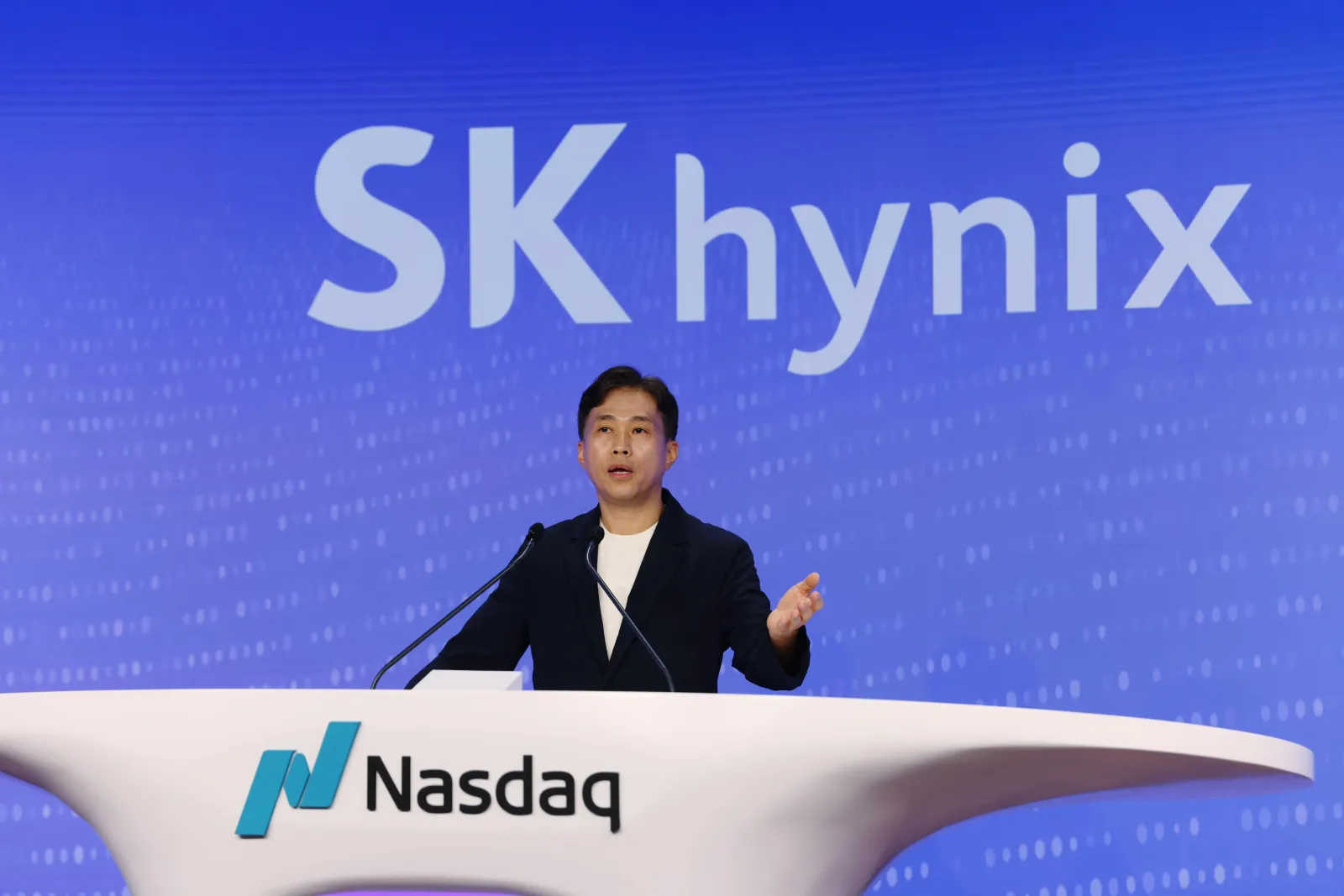
SK Hynix opens at $170, raises $26.5B, and tops foreign IPO records
In Friday's Wall Street debut, SK Hynix turns AI RAM demand into a $26.5B fundraising moment that rewrites comps.