
A geothermal breakthrough could make “lucky places” obsolete by tapping Earth nearly anywhere
Geothermal power already exists, but the bottleneck has been geography. The new approach aims to widen the map for clean baseload electricity.
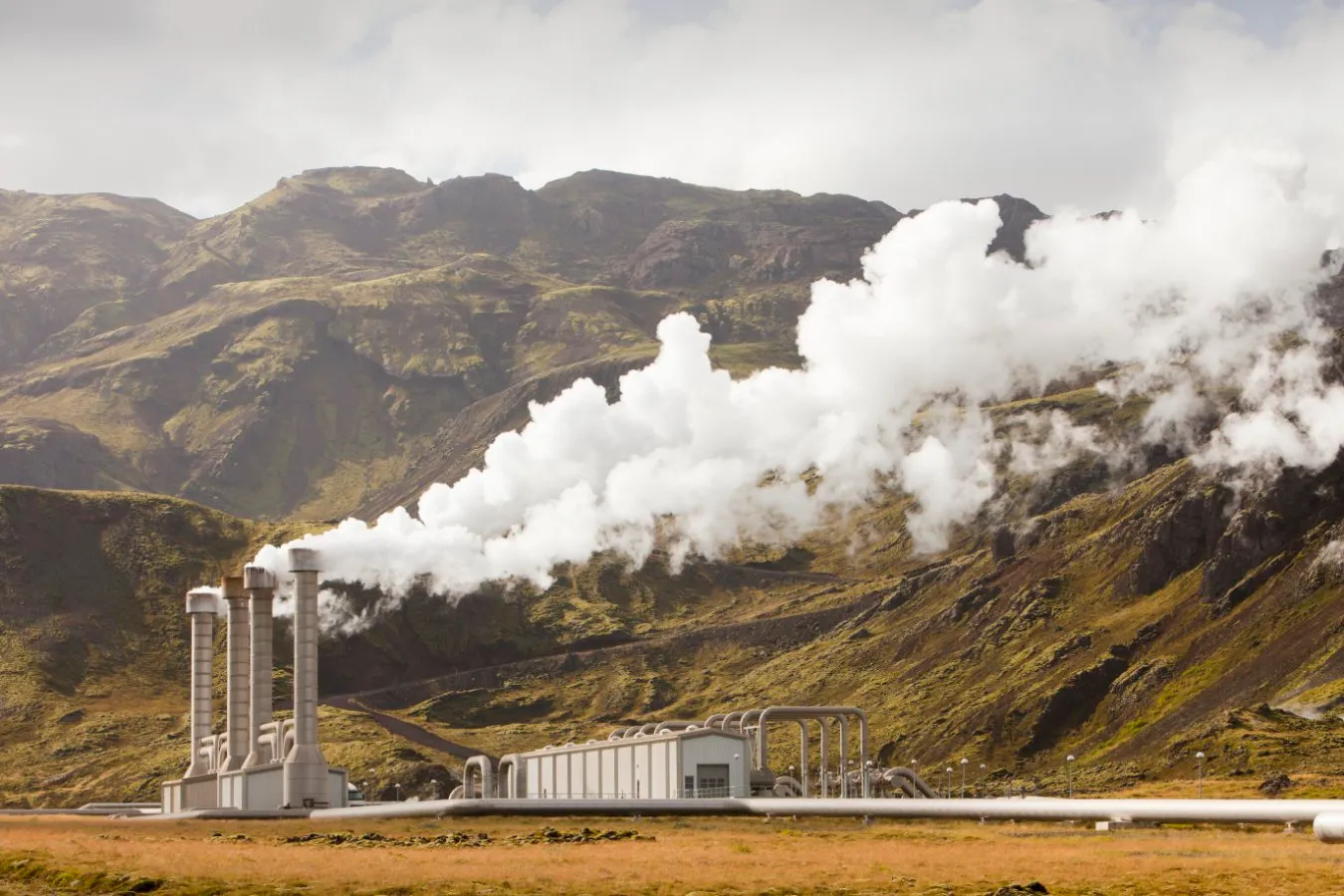
New Scientist reports on a potential path to unlock Earth’s heat as geothermal energy in many more locations. If it works beyond limited sites, decision-makers could gain a more reliable, widely deployable source of clean power.
Earth contains more than enough heat to power humanity many times over. The problem has never been whether the fuel exists. It is that, so far, only a few lucky places have been able to exploit it at useful scale. New Scientist is pointing to a potential way to tap this vast clean energy source almost anywhere, shifting geothermal from a site-specific resource into something closer to a general-purpose clean energy technology.
That distinction matters because geothermal is not just another “renewable.” Wind and solar are great at being fast to deploy, but they are weather-dependent. Geothermal, when it works, is often treated as “baseload” power, meaning it can provide electricity through the day and night without waiting for clouds to move on. The catch is that geothermal is traditionally constrained by what is under your feet. You typically need the right geology, the right heat flow, and the ability to drill and produce fluid in a way that stays economically viable. So in practice, geothermal has been unevenly distributed, rewarding regions with favorable conditions. The new idea described by New Scientist aims to reduce that reliance on geography, letting more places join the geothermal party instead of competing for the handful of naturally gifted sites.
To understand why this is a big deal, look at how energy projects are financed and approved. Investors and utilities prefer technologies that reduce uncertainty. Site-specific geology is uncertainty dressed as “resource potential.” It can raise the odds of expensive, slow exploration phases and can force companies to bet big before they know whether the reservoir will perform. If an approach can reliably unlock geothermal capacity across a wider range of locations, it changes the risk profile. That can tighten permitting timelines, influence where grid operators plan capacity, and potentially improve the economics enough to attract larger pools of capital.
There is also a regulatory and policy layer that executives should pay attention to. Clean energy policy tends to reward dispatchable, low-carbon generation because it complements intermittent renewables and can reduce pressure on storage and grid balancing. But regulators also worry about project permitting, environmental impact, and resource sustainability, especially around drilling and managing subsurface fluids. In many countries, geothermal is regulated through environmental assessments, water and groundwater protections, and land-use rules that can vary dramatically by region. If a technology can be deployed more broadly, regulators will likely push for clear standards, stronger monitoring requirements, and consistent frameworks for risk management. That is not necessarily bad. Standardization can make it easier to compare projects, price risk, and scale responsibly.
From a corporate strategy standpoint, “almost anywhere” is not a slogan. It is a change in market structure. If geothermal becomes less dependent on rare geology, the competitive advantage shifts away from having the best natural prospects and toward having the best execution: drilling expertise, reservoir modeling, operations, and risk controls. That is good news for companies that have the capital and technical capability to build repeatable systems. It also raises pressure on utilities and grid planners that previously might have treated geothermal as a niche option. If the map expands, geothermal can move from “pilot and learn” into “plan and procure” territory.
There is a second-order implication boards should consider: power procurement and long-term contracts. When a resource is geographically limited, companies can only contract for supply where it exists. When supply becomes more widely available, procurement strategies can evolve. Utilities may diversify their generation mix with less reliance on transmission expansion to reach remote sites. Industrial buyers, too, may get more options for long-term clean power purchases, especially if geothermal output is more stable than variable renewables. That can strengthen corporate decarbonization strategies in places where other clean options are constrained by grid capacity or land use.
Still, it is crucial to keep the headline grounded in what New Scientist is actually saying. The report is about a potential way to tap geothermal energy more broadly, not a universal guarantee that every site can become a power plant tomorrow. The statement that “Earth contains more than enough heat” is the premise. The novelty is the direction: making it practical to exploit that heat beyond the few locations that have been lucky so far. For executives, that means watching for evidence that the approach works reliably at scale, with consistent performance and manageable environmental and regulatory outcomes.
If the technology described by New Scientist pans out, it can shift geothermal from a geographically constrained clean power niche into a widely deployable platform. That would not just add clean megawatts. It would change how energy markets price reliability, how boards evaluate decarbonization options, and how investors think about “new” baseload clean generation. In the end, the strategic stakes are simple: if geothermal can truly be unlocked almost anywhere, then the clean energy winners may be the ones who can scale it quickly, contract it confidently, and regulate it smoothly.
This story's Key Insights and Take-aways are locked.
Create a free account to unlock Executive Actions for one credit.
Register to UnlockAlways free for Executives Club members. Join the Club
More in Science

NASA-backed engineers shrink high-fidelity energetic particle sensing into CubeSats
A compact, multiview particle-detection instrument could turn CubeSats into near-Earth science platforms without sacrificing data quality.

Stage 4 lung cancer at 44: a never-smoker’s ALK story that beat the odds
Summer Farmen turned an ALK-positive diagnosis into a six-year survival case study on targeted therapy and patient power.
Zoo elephants live longer now: study shows steady life expectancy gains since the 1960s
A multi-institution study in Scientific Reports finds modern zoo care is extending elephant lifespans, decade by decade.