
Stage 4 lung cancer at 44: a never-smoker’s ALK story that beat the odds
Summer Farmen turned an ALK-positive diagnosis into a six-year survival case study on targeted therapy and patient power.
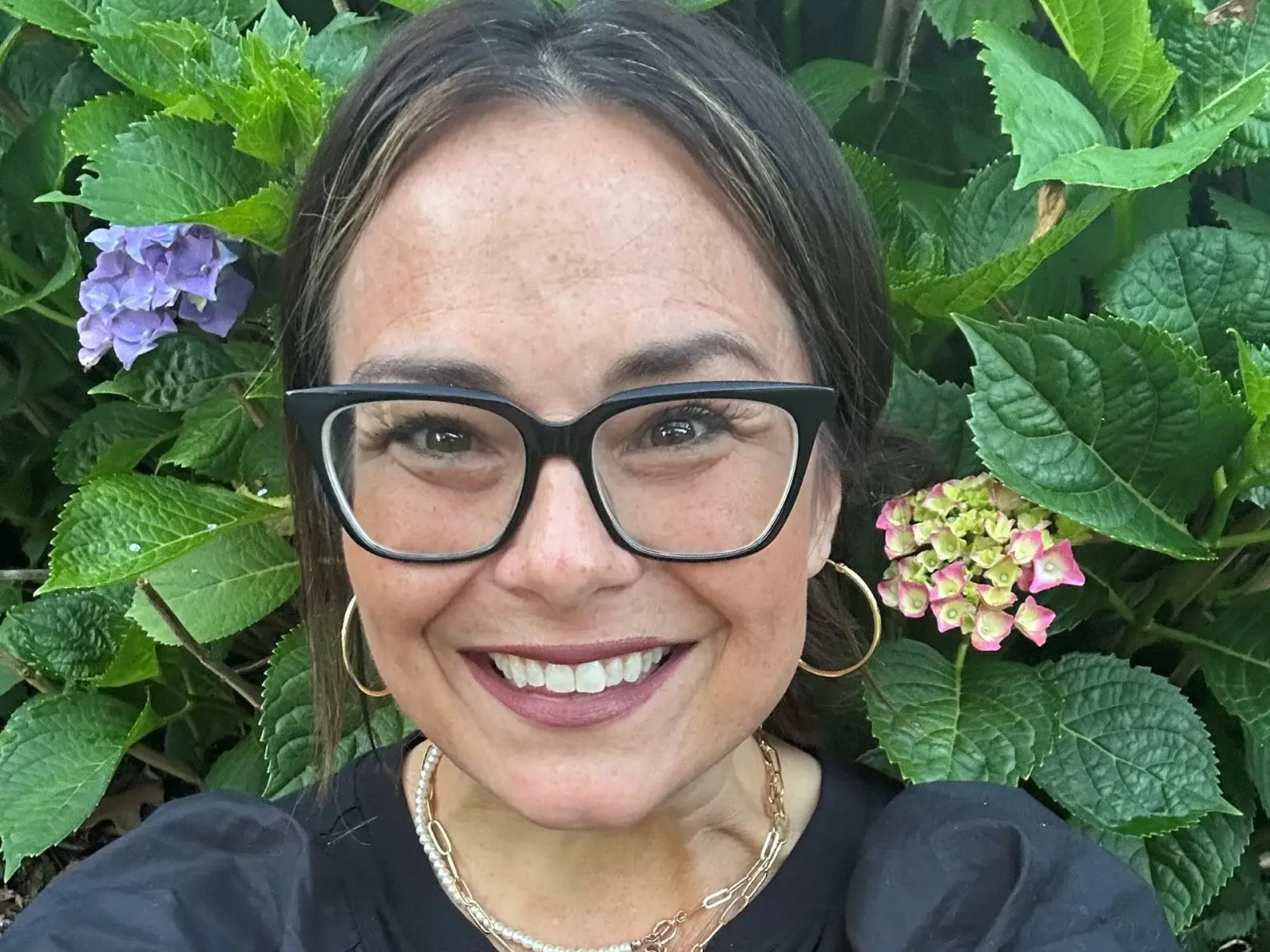
Summer Farmen, a 44-year-old mom from Pennsylvania, was diagnosed with stage four ALK-positive lung cancer in early 2020 despite never smoking, after worsening shortness of breath and fluid drained from her lungs. Her targeted therapy experience has since fed advocacy efforts through Alk Positive Inc., with Farmen serving as vice president and contributing to a Lung Cancer journal study on patient and caregiver treatment preferences.
Summer Farmen was 44, a mom of three, and a never-smoker. Then, in early 2020, she developed shortness of breath and persistent tiredness, and within a month she was choking and coughing during casual conversations. What makes this story matter beyond the personal tragedy is the reversal it implies for clinical expectations: she was eventually diagnosed with stage four lung cancer, yet she is now a six-year survivor who says she is thriving.
The straightest version of the moment: after antibiotics and other treatments did not help, she went to the emergency room and doctors drained 2 liters of fluid from her lungs. From there, the diagnosis turned the prognosis from “end-stage comfort care” toward a precision pathway. Her cancer was identified as ALK-positive lung cancer, a specific subtype tied to an unusual gene abnormality, and she began targeted therapy medications that fight tumors.
For executives, investors, and healthcare operators, this is a reminder of how much modern oncology depends on matching the right therapy to the right biology. Lung cancer is described in the source as one of the deadliest cancers, and a “typical patient” in her situation might have “six months to live, maybe a year and a half with good luck.” The article frames ALK-positive as highly treatable, with a mechanism that is fundamentally different from older, more generalized approaches: targeted therapy blocks cancer fuel sources, such as proteins, to prevent tumors from growing. Farmen’s treatment included tyrosine kinase inhibitors, which work by interrupting signals that tell cancer cells to grow and divide uncontrollably.
That biological tailwind is only half the story, though. The other half is timing and how patients actually navigate a crisis inside a pandemic. Farmen said she did not initially think about COVID because she otherwise felt fine. Her fears shifted as symptoms worsened, and she tested possibilities that sounded plausible in context: asthma, pneumonia, or coronavirus. Only after the family’s efforts, including antibiotics and other treatments, failed did she reach the ER, “fighting for air.” That sequence matters because it shows how quickly lung symptoms can escalate, and how access to evaluation and escalation pathways can determine what gets diagnosed, and when.
There is also a second-order organizational implication here: when targeted therapies extend lives, the definition of “success” expands. Farmen described the psychological load of stage four cancer even during remission-like periods. She said she still has a stage four diagnosis, still gets scans every three months, and that it is “not if my cancer progresses, it's when my cancer progresses.” That language is not just personal emotion. It points to a real operational need for ongoing care models that manage long-term uncertainty, adherence, and side effects, not only initial tumor response.
And side effects show up even in the targeted era. Farmen described “debilitating side effects” that she says everybody experiences differently from these life-extending treatments. She also noted that the treatment process “wasn't all sunshine,” including fear around personal milestones, such as never teaching her son to drive or missing her daughter’s high school graduation. At the board and product level, that is a nudge toward patient-centered outcomes. Not every metric is a tumor curve, and even when the drug works, the lived experience can still be grinding.
Support communities were another pivot point. Farmen said finding support groups with other ALK-positive patients was “a lifeline immediately,” offering validation and different patient experiences. In the source, this community involvement begins with an art therapy class on Zoom and then expands into organizing and educational sessions. The nonprofit behind those programs, Alk Positive Inc., funds cancer research to improve patients’ quality of life while providing resources such as support groups and clinical trial information. Farmen now serves as vice president and is a contributor to a recent study published in the journal Lung Cancer.
That study focuses on patient and caregiver preferences in balancing potential benefits and side effects of treatment options, which matters as cancer care becomes more personalized. When stakeholders can articulate tradeoffs in plain terms, it can reshape trial design and endpoints, influence how clinicians communicate options, and affect how companies frame value beyond response rates. In other words: the drug may be targeted to the tumor, but decision-making is targeted to the person, the family, and the acceptable level of risk. For executives building programs, funding research, or overseeing oncology strategy, Farmen’s story is the business case for integrating lived experience into the system.
Finally, the stakes. Farmen is now 50, turned 50 in April, and the article includes her sense of urgency and gratitude: “Growing old is a privilege.” Her outcome is not a guarantee for other patients, and the source is clear that the scans continue and progress remains possible. But it does show how precision medicine, escalation to the right diagnosis, and patient advocacy can combine to change trajectories that would otherwise look uniformly grim. In 2020, she was a never-smoker with no obvious risk factors. Today, she is an advocate pushing for more research and education on ALK-positive lung cancer, and that role is a strategic signal: the next decade of oncology leadership will be measured by how effectively organizations turn molecular targeting into human outcomes.
This story's Key Insights and Take-aways are locked.
Create a free account to unlock Executive Actions for one credit.
Register to UnlockAlways free for Executives Club members. Join the Club
More in Science

Alaska's 1,580-foot tsunami had warning signs. Scientists just found them.
Rapid glacier retreat, heavy rainfall, and thousands of tiny tremors preceded Alaska's 1,580-foot tsunami, a warning for every coastal community in a warming world.

The rare mutation that lets high-risk brains dodge Alzheimer's
Scientists found a natural defense against protein buildup, opening a new path to preventive treatments.

3,000 steps a day may halve Alzheimer's decline, study finds
New research links a modest daily walk to less tau buildup and nearly half the cognitive and functional decline, even for those with early signs.