
About Fishing’s developer tells Steam players, skip wishlisting and try another demo instead
Kevin at The Water Museum argues attention matters more than wishlists during Next Fest, and he’s already pulled 100,000.

About Fishing developer The Water Museum asked Steam players during Next Fest not to worry about wishlisting its demo and instead try other demos. For decision-makers, it is a real test of whether discovery can substitute for wishlist conversion without hurting momentum.
Next Fest is supposed to be wishlisting’s favorite sport. Thousands of demos flood Steam, players browse, and the cleanest scoreboard is often how many wishlists a game racks up before launch. But during this year’s event, The Water Museum’s “fishing mystery game” About Fishing is running a different playbook. In a Steam news post that coincided with the start of Next Fest earlier this week, developer Kevin said players “don’t have to wishlist it” after trying the demo. Instead, he asked them to “find another demo that looks interesting and give it a go,” adding that “there are some genuinely great creators in this fest who deserve the attention.”
The wild part is that this request does not come from a team trying to avoid the funnel. On June 11, The Water Museum announced via a Steam post that About Fishing had “lured 100,000 users into wishlisting.” So the developer is essentially telling players: we already got the signal we needed, now go spread the attention. It is an unconventional move, and if you are an exec trying to understand modern discovery economics, it is worth studying because it tests what happens when conversion is not the only KPI in the room.
To understand why this is a big deal, you have to look at what wishlisting actually represents on Steam. Wishlisting is conventionally treated as a valuable pre-launch action: it is a public intent signal, and it feeds launch planning because it hints at who might convert once the product is fully available. In other words, developers typically benefit from players treating wishlisting like a vote. Kevin’s “you can skip it” ask flips that expectation. It is not an argument that wishlists do not matter; it is an argument about what players should do with their finite time during a crowded event.
That framing matters because Next Fest is not a normal marketing channel. It is a spotlight built for exploration. Thousands of demos compete for eyeballs, and a player’s attention budget is the bottleneck, not their ability to click. When Kevin tells players to use the demo window to try another creator’s work, he is implicitly acknowledging what marketing teams already know but rarely say out loud: discovery is a community-level game. The Water Museum may be betting that positive sentiment and goodwill can be as durable as the checklist behavior of wishlisting, especially in an environment where players are already actively browsing.
There is also a second-order brand dynamic here. About Fishing, based on the PC Gamer description, is a surrealist, psychological “fishing mystery game” packed with unsettling detail: a tackle box with a conspiracy board inside it, a town church with a prison ward in the basement, and the ability to commune with caught fish to retrieve submerged clues from waterways. PC Gamer calls it “eerie, absurd, and endearing in equal measure,” and the article points to specific experiential hooks like ethereal dialogue from a grandfather figure, plus hyper-precise fishing mechanics like bullet-curving on a fishing hook mid-cast. That kind of identity tends to attract players who want to be part of something strange early. If the community feels invited, not mined, it can reinforce word-of-mouth and replay the recommendation loop.
Now zoom out to what this means for decision-makers who care about performance measurement. If wishlists are the traditional proxy for demand, Kevin is showing that demand can coexist with a “give attention away” posture. The Water Museum already reported the wishlisting milestone: on June 11, About Fishing lured 100,000 users into wishlisting. That suggests it reached a meaningful conversion point during the pre-launch funnel. The request that follows during Next Fest suggests the studio is either comfortable with its current demand picture or believes the marginal cost of asking for wishlists is higher than the marginal benefit of asking for them again.
For peers running launches, the strategic stakes are clear. Steam launches are crowded, and pre-launch attention is not just about capturing intent. It is about building a reputation for being worth following, not just worth purchasing. Kevin’s message, “Take your time with it,” is effectively a pitch for a slower, more exploratory player journey across the event. If enough creators adopt that posture, the ecosystem can shift from zero-sum competition to a kind of rising tide where players discover more games overall, which can lift everyone’s awareness.
Finally, remember the timing and the product lifecycle. PC Gamer notes About Fishing is set to launch sometime later this year. That gives The Water Museum a runway to translate demo love into launch conversion. The developer’s approach during Next Fest is a gamble on long-term goodwill, but it is not blind. It is backed by already-reported wishlist momentum and rooted in the reality that there are 4,400 other demos worth your attention, according to the article. In a world where execs often obsess over the clean conversion metric, this is a reminder that the messy attention economy sometimes rewards generosity.
This story's Key Insights and Take-aways are locked.
Create a free account to unlock Executive Actions for one credit.
Register to UnlockAlways free for Executives Club members. Join the Club
More in Business

A flaw in PHP just forced governments to pull their own sites offline
European agencies from Belgium to Germany took websites dark to patch a critical weakness in the language behind almost 70% of the web, and the blast radius extends far beyond government portals.

BioWare shuts down, Mass Effect 5 dead after $55B EA buyout
The legendary RPG studio's closure lands months after a $55 billion investment group buyout of EA, raising tough questions for gaming's biggest acquirers.
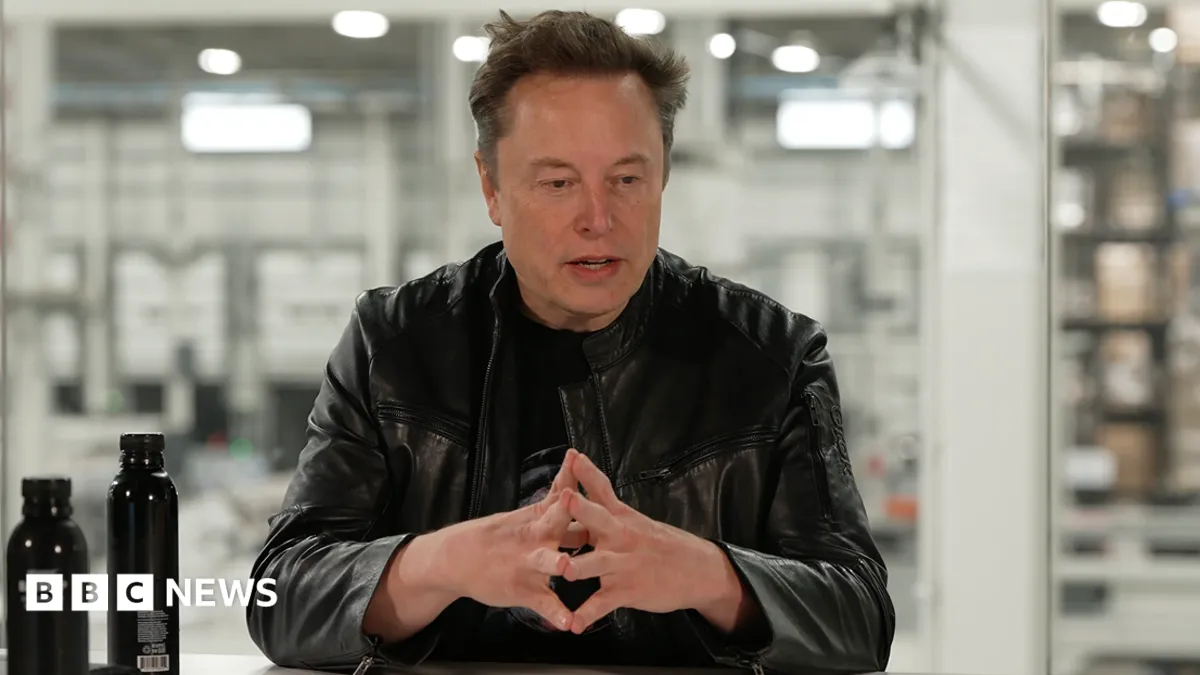
Musk weighs Tesla-SpaceX mega-merger as boards form review panels
Special committees at both companies will examine a tie-up that could fuse electric vehicles and space launch, forcing a fresh look at governance and valuation.