
Abu Dhabi's power demand to double by 2050, hitting 50GW
The emirate's installed capacity is projected to rise to 50 gigawatts as the net-zero push collides with a booming economy.
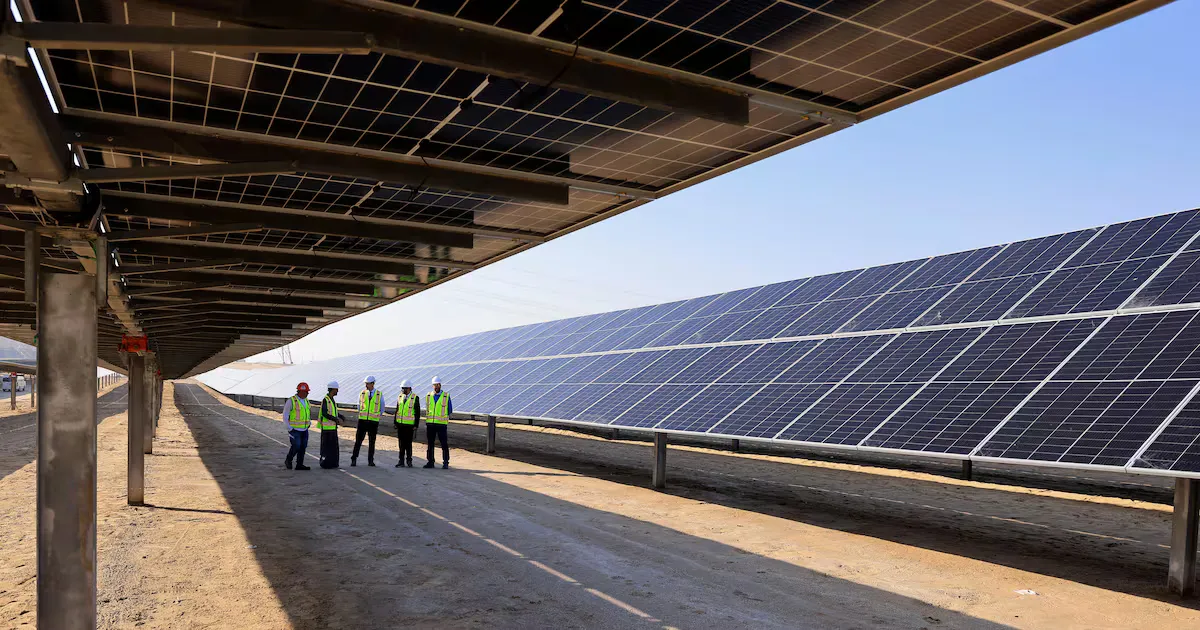
Abu Dhabi's power demand is projected to double by 2050, with total installed capacity rising to 50 gigawatts, according to The National's Road to Net Zero briefing. For regional energy executives and investors, this signals a massive build-out of generation, grid, and clean-tech infrastructure.
Abu Dhabi's power demand is set to double by 2050, with the emirate's total installed capacity projected to rise to 50 gigawatts, according to The National's Road to Net Zero briefing. That headline number is not just a forecast; it is a direct consequence of the emirate's economic boom, and it lands squarely on the UAE's pledge to cut carbon emissions to net zero by the same year. The challenge is stark: double the power, but without doubling the emissions that come with it.
For decision-makers, the 50GW figure is the anchor for every infrastructure, investment, and technology decision in the region over the next quarter-century. It means new generation capacity must come online at an unprecedented pace, and much of it will need to be clean. The National's coverage shows the UAE is already moving on multiple fronts, from renewables to nuclear-backed industrial processes, but the scale of the build-out will test supply chains, grid operators, and capital markets alike.
One of the most active players is Masdar, the UAE's renewable energy giant. The National reports that Masdar and EUDC are exploring a 24/7 renewable energy project in Uzbekistan, a model that pairs solar or wind with storage to provide round-the-clock clean power. Masdar is also developing new renewable projects in Kazakhstan and has completed a 100% acquisition of Greek renewables company Terna Energy. These moves signal that Abu Dhabi is not just building at home; it is exporting its clean-energy playbook across emerging markets, creating a diversified revenue stream that also strengthens its geopolitical position.
At home, the industrial side of decarbonization is advancing. Ras Al Khaimah has opened a carbon-capture plant, a boost to the UAE's net-zero drive. The country has also produced low-carbon aluminium using power from the Barakah nuclear plant, a milestone that could reshape how energy-intensive industries measure their carbon footprint. Meanwhile, a UAE university has received a US patent for a carbon-cutting battery, pointing to a homegrown innovation pipeline that could support the grid of the future.
The broader context is global. The National reports that worldwide energy investments are set to hit a record $3.3 trillion in 2025, but warns that copper's looming major deficit threatens the clean energy transition. Aviation executives say the industry is off-track on net-zero goals, and Airbus fears that embracing hydrogen now could lead to a Concorde-style failure without a bigger ecosystem. These are cautionary tales for Abu Dhabi's planners: building 50GW of capacity is one thing, but securing the raw materials, grid intelligence, and technology supply chains to do it cleanly is another.
The UAE is also positioning itself as a hub for next-generation mobility and infrastructure. Elon Musk's Boring Company is set to build 150km of tunnels across the UAE, and Dubai's RTA is beginning trials of driverless taxis with Pony.ai. These projects will add new electricity demand, from tunnel ventilation to charging networks, further straining the grid. That is why the National's commentary stresses that the road to net zero requires not just more power grids, but intelligent, dynamic systems that can balance variable renewables, storage, and demand in real time.
For executives and boards, the implications are clear. Abu Dhabi's doubling power demand is a multi-decade capital cycle that will reward early movers in generation, storage, grid software, and clean industrial processes. The UAE's net-zero commitment is not a slogan; it is a procurement pipeline. Companies that can deliver 24/7 clean power, carbon capture, or low-carbon materials will find a willing buyer in the Emirates, and the same playbook is being exported to Central Asia, the Caucasus, and beyond.
The strategic stakes extend beyond energy. As the UAE doubles down on sustainable investment, it is also reshaping its role in global climate diplomacy, hosting World Bank meetings to curb gas flaring and signing nuclear cooperation agreements with partners like Bahrain. For any executive watching the Gulf, the message is that Abu Dhabi is turning its net-zero target into a competitive advantage, and the window to partner, invest, or position is now.
This story's Key Insights and Take-aways are locked.
Create a free account to unlock Executive Actions for one credit.
Register to UnlockAlways free for Executives Club members. Join the Club
More in Business

Apple unveils first foldable iPhone Duo with 7.6-inch display under new CEO Ternus
Apple's first foldable, the iPhone Duo, marks a major product bet for new CEO John Ternus, with a 7.6-inch unfolded screen.
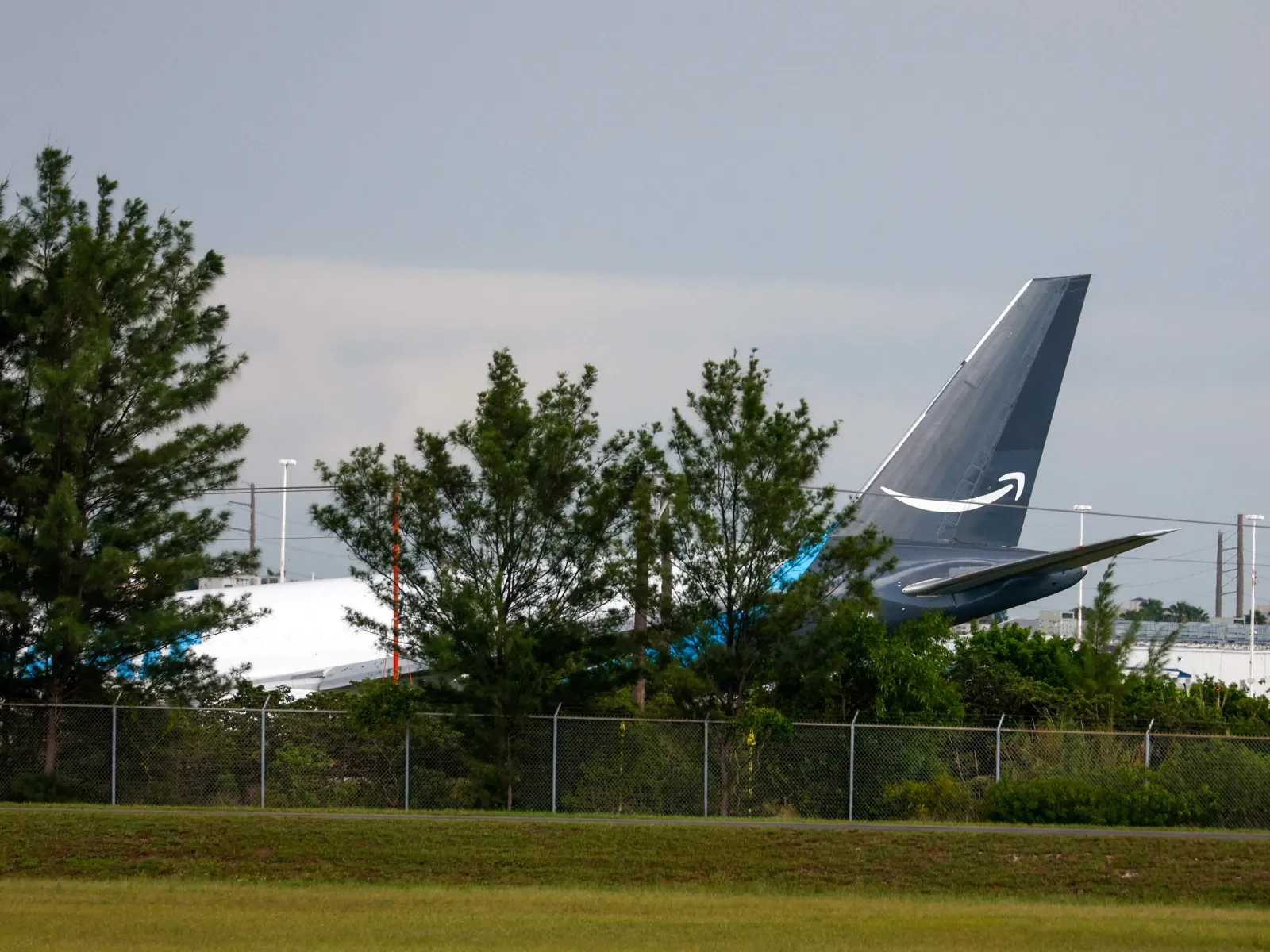
Amazon Prime Air 767 overshoots Miami runway, killing at least 5
The Boeing 767 freighter from San Juan struck vehicles and erupted in flames, prompting a ground stop and a fresh NTSB investigation into Amazon's air cargo network.
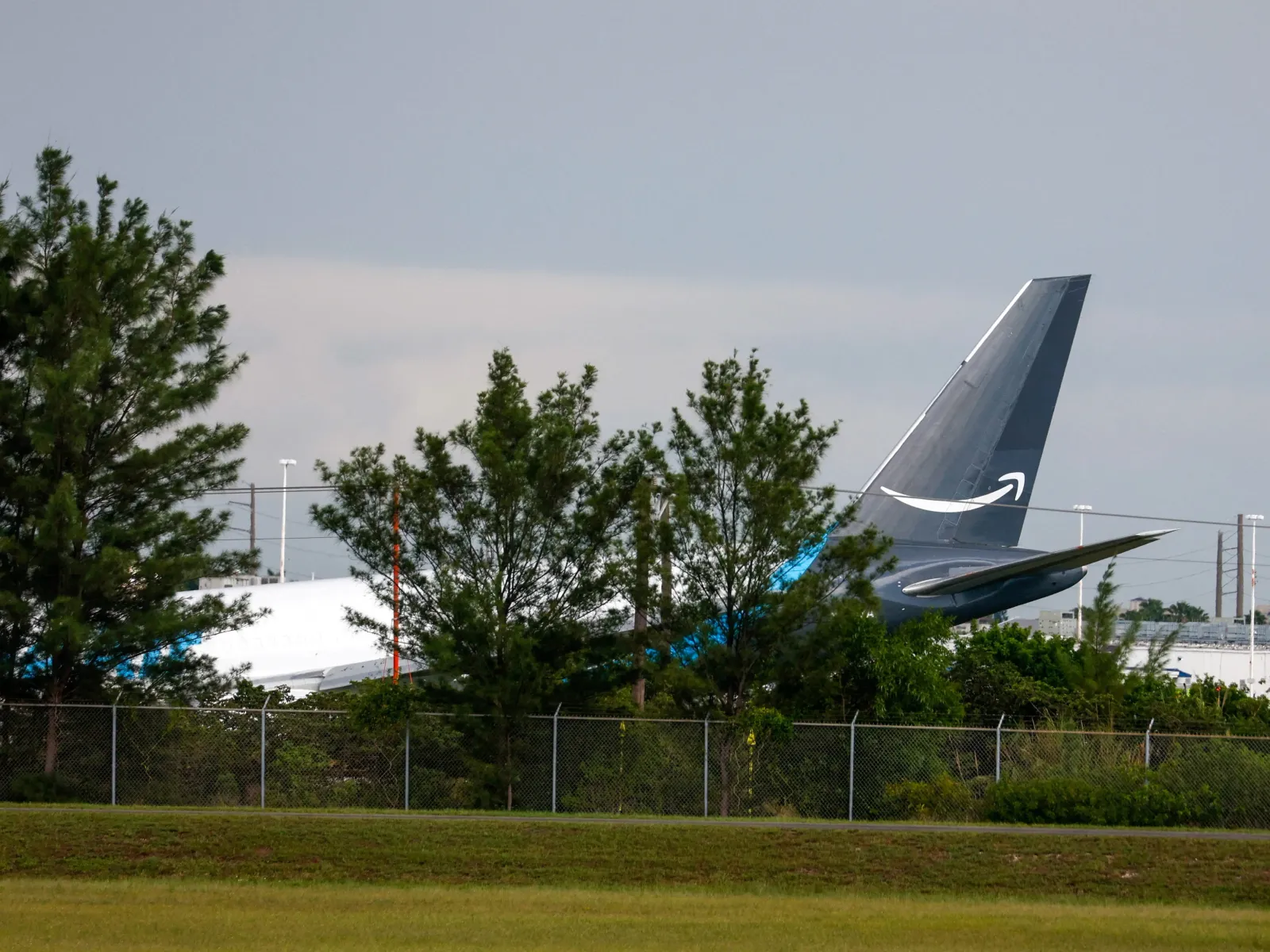
Amazon Prime Air 767 overshoots Miami runway, strikes vehicles, catches fire
The Boeing 767, operated by 21 Air, was arriving from San Juan when it overshot the runway, triggering a ground stop and multiple injuries.