
Acantha Lang says soul music “works like magic” when people truly connect
The Grammy-nominated singer ties her New Orleans roots to an “honest” sound that builds human connection.
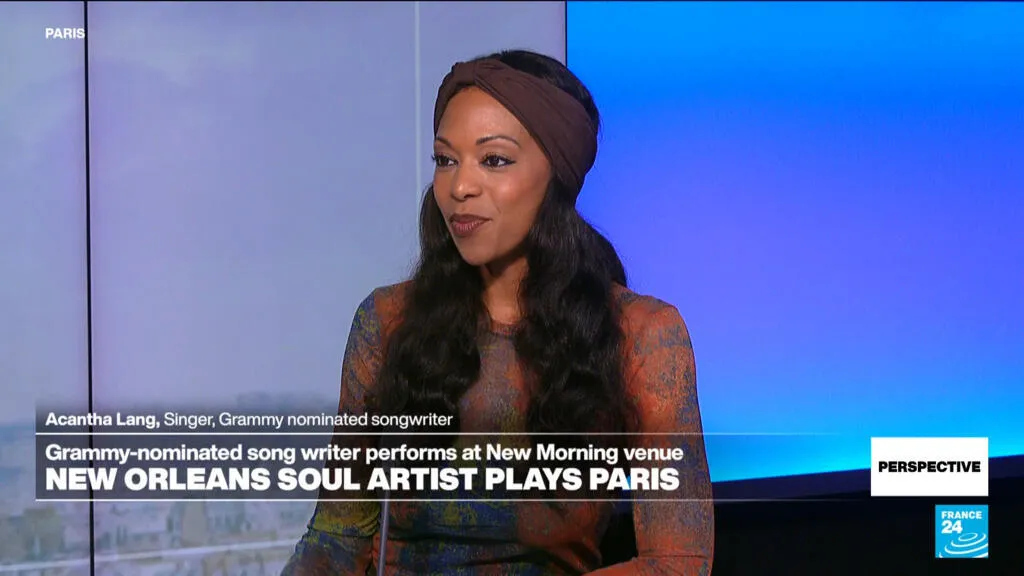
Grammy-nominated singer-songwriter Acantha Lang told FRANCE 24 that soul music creates a “kind of magic” when people really connect. Her New Orleans upbringing, she says, travels with her wherever she performs, shaping how audiences meet the music.
Acantha Lang, a Grammy-nominated singer-songwriter, told FRANCE 24 that soul music can spark a real-time effect on listeners: “when people really connect with soul music, there's a kind of magic that happens”. That claim is more than a poetic flourish. It is a thesis about how art turns into connection, and why “honest” songwriting matters in a world where attention is scarce and people are searching for something that feels true.
Lang grounds that belief in her origin story. Born in New Orleans, she said she was “always around” the sounds of soul, jazz, and blues. And she added, “no matter where I am, I carry New Orleans in my spirit and in my music”. In other words, the connection she describes is not generic. It is tied to a specific musical ecosystem, learned early, and carried forward as identity.
From an executive lens, that matters because soul music is a kind of repeatable experience, even as the industry around it constantly changes. Music platforms, distribution models, and marketing channels evolve quickly, but the audience behavior that Lang points to tends to stay consistent: people do not just want sound. They want recognition, emotion, and a feeling that someone else understands what they are going through. When Lang says soul is “honest” and “moving,” she is describing an alignment between the performer and the listener, not merely a genre label. That alignment is the “magic,” and it is the thing streaming-era metrics often struggle to measure directly.
There is also a cultural and economic subtext here for decision-makers. When artists claim their work carries a place in it, they are making an authenticity argument that can influence everything downstream: how a tour is framed, how a release is branded, how audiences are segmented, and how a fan community forms. New Orleans is not just scenery in Lang's story. It is the training ground for the sounds she says she absorbed constantly. For a board or management team, that is a reminder that narrative is not fluff when it is rooted in lived experience. It can strengthen audience trust, which in turn can reduce the friction between an artist and the people who follow her.
Lang’s comments also highlight why “connection” is now a strategic battleground across creative industries. In a crowded marketplace, audiences can sample widely, skip quickly, and move on without guilt. That makes genuine emotional resonance harder to earn, and easier to lose. If an artist believes there is a threshold where “people really connect,” then the job for teams is to design paths to that threshold. That could be through the way songs are sequenced, how performance venues are chosen, or how messaging communicates what the listener should feel. The core point from Lang is simple: the magic does not happen by accident. It happens when the connection is real.
For executives thinking about risk, it is worth noting that authenticity claims can backfire when they feel manufactured. Lang’s framing is careful in that it links her beliefs to her background. She was born in New Orleans, she says she was “always around” soul, jazz, and blues, and she describes carrying that influence with her. That kind of grounding creates credibility, because it is consistent with an origin story and a continuing artistic identity. In industries where brand trust can evaporate overnight, that is not a small thing.
Finally, Lang’s remarks speak to a broader second-order implication: connection can be both emotional and operational. Emotional, because listeners are responding to honesty and movement. Operational, because teams that understand that connection can make better choices about what to amplify and what to avoid. If soul music creates a “kind of magic” when people connect, then success is not only a function of reach. It is also a function of fit: the right audience, the right moment, and the right way to invite listeners into the experience. That is the strategic stakes for peers in similar roles, whether you are managing an artist, building a platform, investing in music, or steering a label strategy.
This story's Key Insights and Take-aways are locked.
Create a free account to unlock Executive Actions for one credit.
Register to UnlockAlways free for Executives Club members. Join the Club
More in Politics

Glacial collapse, not rain, killed 180 in Nepal's Himalayan flood
The Himalaya's extreme geography hid the true cause of Nepal's catastrophic flood, a glacial collapse that turned a geological battleground into a mass-casualty zone.

Iran’s Esmail Baghaei says Oman talks start shipping via Hormuz, not US talks yet
Temporary route plans with Oman aim to restart commerce while Tehran says Washington dialogue is not on the table.
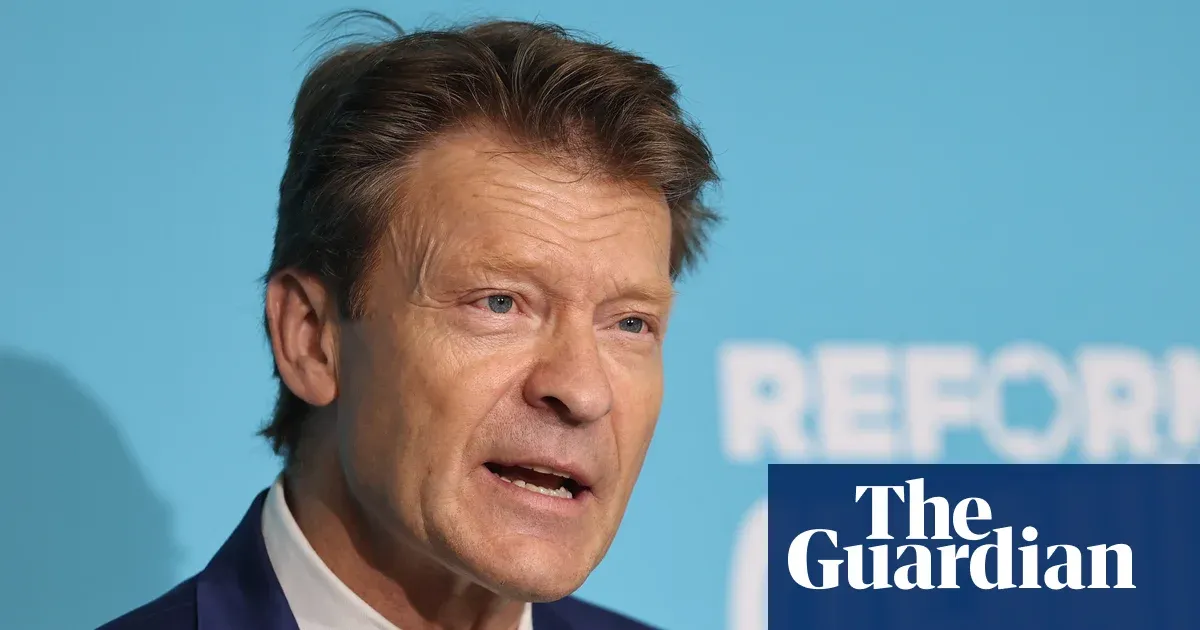
Standards watchdog opens probe into Reform UK deputy leader Richard Tice over interests
The parliamentary standards commissioner says it began an investigation on 28 July into a possible undeclared interest.