
DR Congo’s Patrick Muyaya says Rwanda lacks will to run US 2025 peace deal
The minister urges the US to add “more tools,” warning current pressure is “not enough” to unlock implementation.

Patrick Muyaya, DR Congo's government spokesperson and Minister of Communication, says Rwanda lacks the political will to implement a 2025 US-brokered peace deal. His call for stronger US pressure raises the risk that implementation stays stalled, complicating planning for regional stakeholders.
DR Congo’s government spokesperson and Minister of Communication, Patrick Muyaya, has accused Rwanda of not having the “political will to implement” the 2025 US-brokered peace deal between the two countries. In a France 24 interview, Muyaya framed the dispute as more than diplomatic theater, arguing the deal cannot move from paper to practice without sustained pressure.
Muyaya went further on the accountability question. He said the United States should use more tools on Rwanda, adding, “It’s not enough yet,” in reference to current efforts. That matters because when a high-profile brokered agreement runs into an “implementation” wall, the next chapter is usually defined by who can ratchet up enforcement, incentives, and coordination across borders.
To understand why this becomes a board-level story, look at how peace deals typically get tested. The hard part is not signing an agreement. It is aligning the incentives of actors with different interests, including governments, security establishments, and regional power brokers. When a minister publicly says there is no political will, it signals a mismatch between what the deal expects and what Kigali is willing to do, at least for now. The immediate consequence is delay. The larger consequence is that time erodes trust, operationalizes risk, and pushes everyone else to re-price uncertainty.
This is also a spotlight moment for US foreign policy, because the US is not only a diplomatic figure in this story, it is the broker. When the broker is asked to “use more tools,” the implication is that the current toolkit, whatever mix of leverage, engagement, or pressure it includes, has not shifted the underlying calculus. In executive terms, think of it like a renegotiation where carrots and calendar management do not change behavior. If the incentives and disincentives are not strong enough, the process stalls, and the parties start preparing for the worst.
There is a second-order pressure on international institutions too. When one side calls for stronger external pressure, it usually increases the likelihood that other actors, including regional partners and multilateral bodies, will seek clearer mechanisms. That could mean demands for monitoring, verification, or enforcement pathways. Even if the source does not specify what tools the US should use, the political direction is clear: “more tools” is shorthand for additional leverage instruments that go beyond statements of support.
For companies and investors operating in the region, stalled peace implementation is rarely a single-variable problem. It affects logistics, security planning, and the operating environment in ways that can quickly cascade into cost of capital and timeline risk. Executives know the pattern: when security conditions and border stability remain uncertain, planning horizon shortens. That can influence everything from supply chain routing to insurance structures and local hiring strategies. In a market setting, delayed implementation can also complicate regulatory and compliance assumptions, since operating rules and enforcement priorities often shift with the security and political calendar.
Even for non-corporate stakeholders, the story has governance implications. Public accusations at this level tend to harden negotiating positions. Once a senior official publicly says another government lacks “political will,” it becomes harder to quietly backchannel without appearing to contradict the public stance. That can reduce flexibility and increase the importance of formal timelines, third-party verification, and credible consequences.
So the stakes extend beyond DR Congo and Rwanda. Muyaya’s comments put a sharper lens on the durability of US-brokered arrangements across borders, and on how quickly external actors must escalate if implementation falters. For peers in diplomacy, international development, or corporate risk leadership, the message is blunt: brokered peace deals are fragile during the translation from agreement to execution. When the claim is that will is missing, the question becomes whether leverage can substitute for it, or whether the delay becomes the new baseline.
This story's Key Insights and Take-aways are locked.
Create a free account to unlock Executive Actions for one credit.
Register to UnlockAlways free for Executives Club members. Join the Club
More in Politics
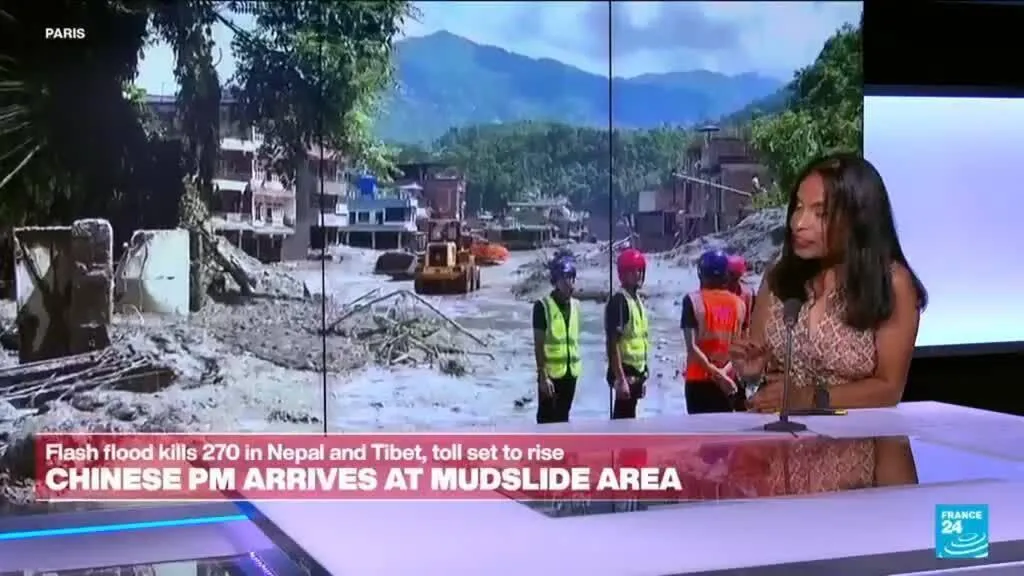
Glacial collapse, not rain, killed 180 in Nepal's Himalayan flood
The Himalaya's extreme geography hid the true cause of Nepal's catastrophic flood, a glacial collapse that turned a geological battleground into a mass-casualty zone.
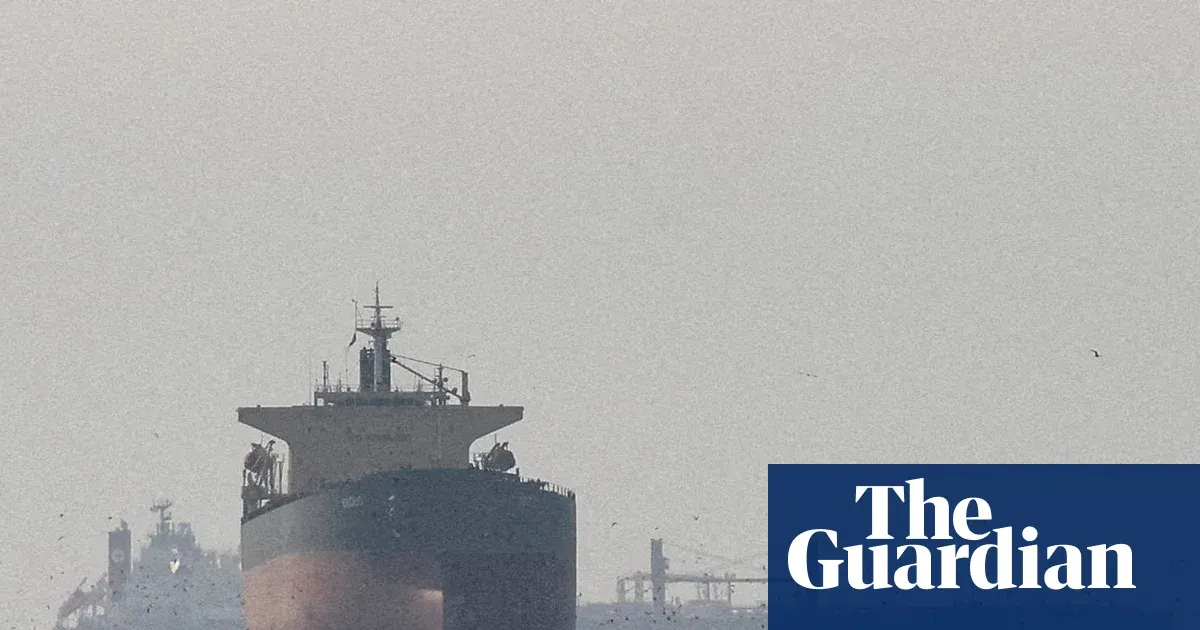
Iran’s Esmail Baghaei says Oman talks start shipping via Hormuz, not US talks yet
Temporary route plans with Oman aim to restart commerce while Tehran says Washington dialogue is not on the table.
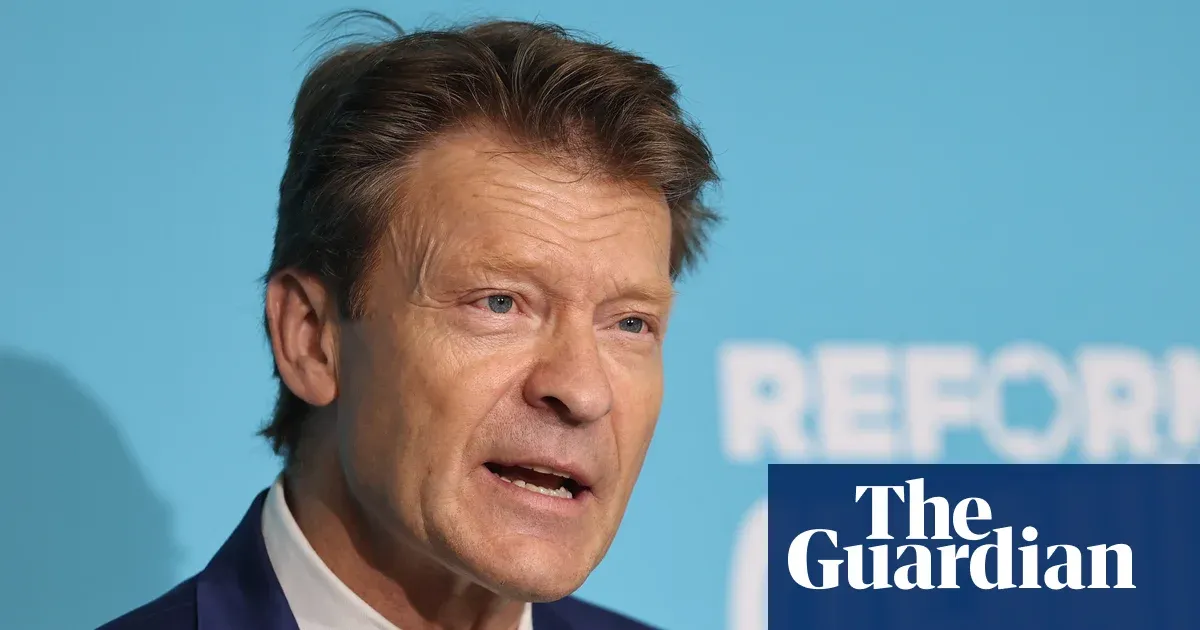
Standards watchdog opens probe into Reform UK deputy leader Richard Tice over interests
The parliamentary standards commissioner says it began an investigation on 28 July into a possible undeclared interest.