
AI could bottle oudh without the tree - but conservationists aren't convinced
Fragrance firms are betting AI can reproduce agarwood's prized resin and end the repeated harvesting that has devastated wild Aquilaria populations - but sceptics doubt it will save the forests.
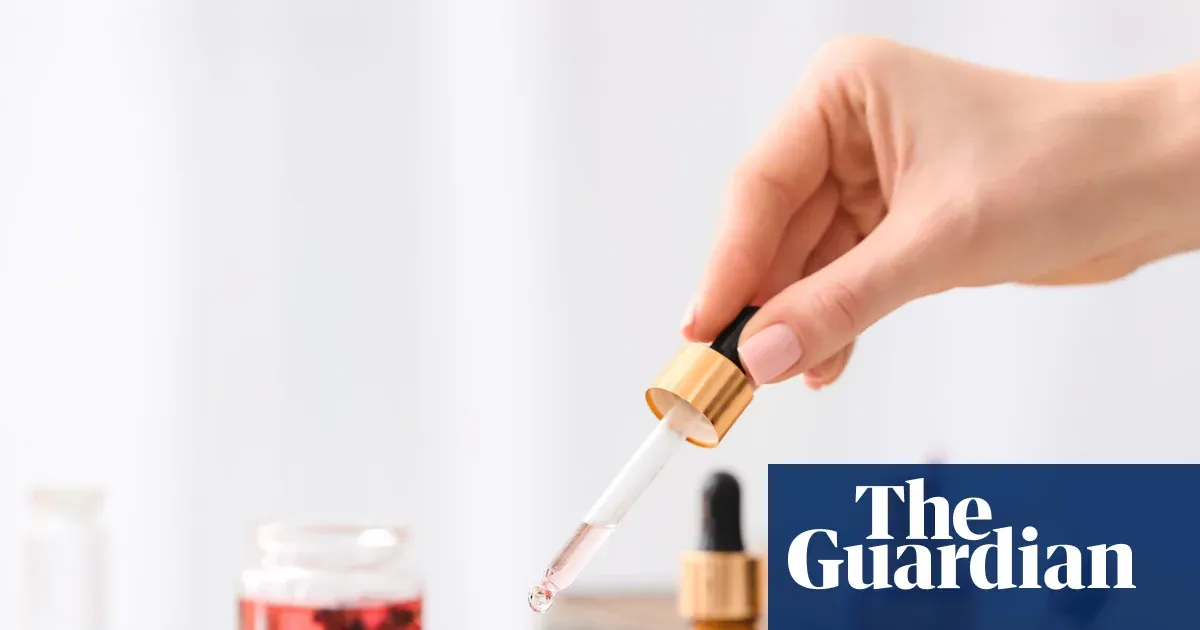
Fragrance firms are exploring AI to reproduce agarwood compounds in the lab, aiming to end the repeated harvesting that has devastated wild Aquilaria tree populations through illegal felling. The technology could reshape luxury perfume sourcing, but conservationists remain sceptical that synthetic oudh will actually protect the forests.
Some of the world's most expensive perfumes begin with a wound. When Aquilaria trees are damaged, they produce a dark, fragrant resin that becomes agarwood - better known in the fragrance trade as oudh - and that resin is so valuable that wild trees have been illegally felled in its pursuit. The result has devastated wild Aquilaria populations across their native range. Now the industry is asking a question that could change everything: can AI create the smell without cutting down the tree?
That is exactly what a growing number of fragrance firms are attempting. They are working on reproducing the compounds behind agarwood's signature scent without the need for repeated harvesting of wild trees - the practice that has pushed Aquilaria populations to the brink. But conservationists are sceptical, and their doubts go to the heart of whether lab-made oudh actually protects the forests it is meant to save.
For context, agarwood is not a single molecule but a complex resin that forms only when an Aquilaria tree is injured or infected. The tree's defense mechanism builds up layers of dark, fragrant resin over time, and that resin is what perfumers prize. The rarity and unpredictability of natural formation are exactly what make oudh so expensive - and what make wild trees such a tempting target for illegal loggers.
The scale of the problem is hard to overstate. Decades of illegal felling have devastated wild Aquilaria populations, and the trade has drawn international regulatory attention. Several Aquilaria species are listed under CITES, the global convention governing trade in endangered species - a reflection of how far the illegal harvest has pushed the trees. For luxury perfumers, that creates a supply-chain headache: the ingredient that anchors their most expensive products is increasingly scarce, legally fraught, and environmentally damaging to source. Every bottle of oudh-based perfume carries an implicit question about where its resin came from - and whether a wild tree paid the price.
Enter AI. Fragrance houses have historically relied on the noses of expert perfumers and the patience of natural processes, but the industry has been experimenting with technology that can analyze and reproduce scent compounds at scale. The promise is straightforward: if AI can help identify and synthesize the molecules that make oudh smell like oudh, perfumers could get a consistent, legal, and sustainable supply without touching a single wild tree. No repeated harvesting, no wounded forests, no black-market resin. For a luxury industry built on scarcity, that is both an opportunity and a threat - the same technology that saves the tree could also democratize one of perfumery's most exclusive ingredients.
The conservationist scepticism is not about whether the technology works - it is about what happens next. A lab-made substitute could ease pressure on wild trees, or it could simply legitimize demand for a scent that consumers already associate with luxury while doing little to stop the illegal trade that exists today. There is also the question of whether a reproduced compound can truly capture the complexity of natural oudh, which varies by tree, region, and the specific injury that triggered the resin. If the synthetic version is close but not identical, the most valuable end of the market may still chase the real thing - and the illegal felling could continue even as the lab version scales.
For executives in fragrance, luxury, and adjacent industries, the stakes are strategic. Sourcing rare natural ingredients is a growing risk: regulatory scrutiny, supply volatility, and reputational damage from association with illegal trade. A credible AI-driven alternative would not just be a cost play - it would be a supply-chain hedge and a sustainability story rolled into one. But betting on it too early carries its own risk, especially if conservationists and regulators conclude that synthetic oudh does not actually reduce the pressure on wild populations. The companies that get this right will have to navigate both the science and the politics, proving not just that the scent can be reproduced, but that doing so protects the forests consumers care about.
The honest answer to whether AI can save the agarwood tree is: not yet, and not alone. The technology is promising enough that firms are investing in it, and the conservation crisis is urgent enough that the industry needs an alternative. But the sceptics have a point: a substitute only protects a forest if it actually displaces demand for the wild product. For now, the scent of oudh remains a story of a wounded tree - and the question of whether technology can heal the wound is still open.
This story's Key Insights and Take-aways are locked.
Create a free account to unlock Executive Actions for one credit.
Register to UnlockAlways free for Executives Club members. Join the Club
More in Science

Alaska's 1,580-foot tsunami had warning signs. Scientists just found them.
Rapid glacier retreat, heavy rainfall, and thousands of tiny tremors preceded Alaska's 1,580-foot tsunami, a warning for every coastal community in a warming world.
The rare mutation that lets high-risk brains dodge Alzheimer's
Scientists found a natural defense against protein buildup, opening a new path to preventive treatments.

3,000 steps a day may halve Alzheimer's decline, study finds
New research links a modest daily walk to less tau buildup and nearly half the cognitive and functional decline, even for those with early signs.