

AI sparked the biggest gas-plant boom ever, plus a quiet fight to delay it
Associated Press reports record natural gas construction and coal extensions, as utilities and the federal government push postponements.
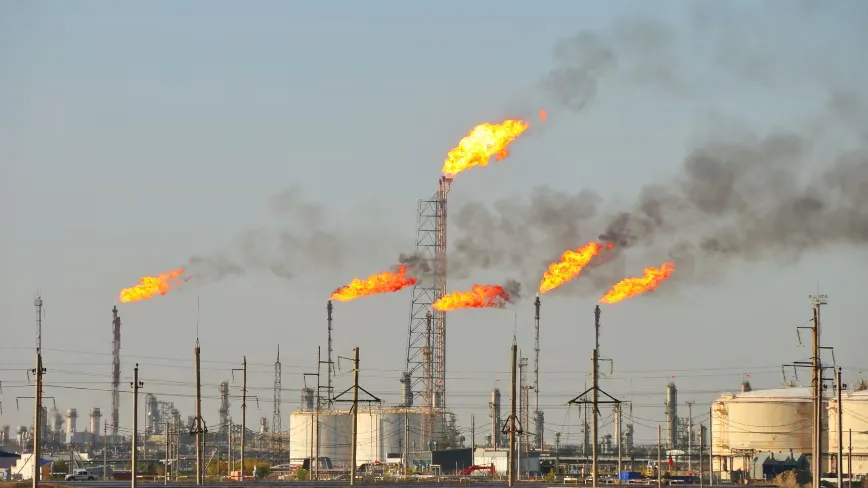
The Associated Press reports that the AI build-out has triggered the largest-ever construction boom in natural gas-fired power plants. It is also keeping aging coal plants running past retirement dates, driving a quiet push from utilities, plant owners, and the federal government to postpone action.
AI has done something the fossil-fuel industry basically struggled to do on its own. According to the Associated Press, the AI build-out has triggered what is being described as the biggest gas-plant construction boom in history. And it is not just about building new natural gas capacity. The same wave is also prolonging the lives of aging coal plants by keeping them operating beyond their planned retirement dates.
That combination is now triggering a quiet but consequential battle over what should happen next, and when. Utilities, plant owners, and the federal government are all pushing to postpone parts of the transition, including actions tied to plant retirements. In other words, the grid is being asked to adapt fast, but the people holding the keys to power delivery are trying to buy time before older assets get shut down.
To understand why this matters to executives, it helps to know the underlying tension in electricity planning. Power systems have to meet demand every minute of every day, not just on paper. When demand spikes, you either build new generation, extend existing generation, or both. Natural gas plants are often chosen as relatively quicker-to-deploy resources compared with some other options. So when AI-driven electricity demand grows, the procurement and construction playbook gets stress-tested immediately.
The Associated Press reporting points to the AI build-out as the accelerant that moved the market from planning mode to construction mode at a scale the fossil-fuel industry could not produce internally. That is a big deal, because it suggests the catalyst is not a single corporate strategy or a single policy. It is a new, fast demand shock coming from computing. Data centers, cloud workloads, and the infrastructure required to power them are all real-world consumers of electricity. When that consumption climbs, grids and regulators face a familiar, high-stakes problem: the mismatch between investment timing and retirement timelines.
That is why the “quiet fight” described in the story is happening behind the scenes. Utilities and plant owners have sunk capital into specific assets, and those assets have expected economic lives. If rules or planning frameworks assume retirements happen on schedule, companies can be left holding stranded costs or forced into abrupt replacements. On the other side, regulators and governments face reliability and affordability risks too. If you accelerate retirements before replacement capacity is ready, you can end up with capacity shortfalls or higher prices.
Now, add federal involvement and the situation gets even more complex. The source says the federal government is among those pushing to postpone steps tied to this shift. That fits the way many energy transitions play out in the real world: authorities try to balance decarbonization goals with grid reliability, while also managing political pressure when energy prices rise or supply becomes uncertain.
A key second-order effect for boards and C-suite leaders is that AI is effectively reshaping generation timelines, not just demand forecasts. If natural gas construction reaches a historic scale and coal plants stay online longer than planned, it changes the risk profile across the entire power value chain. It impacts fuel procurement strategies, emissions compliance planning, maintenance schedules, and the way capital expenditures are staged. It also changes how investors think about which assets are “in transition” versus “in extension.”
It can also alter regulatory dynamics in ways that are easy to miss if you are focused only on technology headlines. Energy regulators often rely on predictable schedules: retirement dates, planned builds, and grid upgrades. When AI-driven load growth causes construction booms and coal extensions simultaneously, those assumptions get disrupted. That can turn docket timelines into a battleground, with delays, re-evaluations, and shifting compliance calendars.
For decision-makers at utilities, grid operators, infrastructure funds, and companies with power-intensive operations, the message is blunt. AI is not only changing the electricity demand curve. It is also changing the pace and shape of the buildout response, including a push from utilities, plant owners, and the federal government to postpone actions related to retirements. In a sector where reliability and cost are unforgiving, “postpone” becomes a strategic word with long shadows. If you are planning budgets, procurement, or capacity strategies, you have to treat this as a fundamental shift in timing, not a temporary detour.
This story's Key Insights and Take-aways are locked.
Create a free account to unlock Executive Actions for one credit.
Register to UnlockAlways free for Executives Club members. Join the Club
More in Technology

Google quietly links your phone number to every Android account on your SIM
Adding a SIM now ties your phone number to all Google accounts - and future accounts inherit it. Here's the security and privacy stakes.

Hijacker AI 'Skynet mode' runs 100,000 attack steps against exposed models
Symantec caught a criminal AI agent that borrows other models, steals data, and mines crypto; the only relief is no confirmed victims yet.

Nvidia's AI-financier shift faces its first big test as neoclouds stumble
A rout in neocloud stocks is forcing investors to weigh Nvidia's hidden exposure as both supplier and lender to the AI buildout.