

AI spend sparks record global deal frenzy: $3.2T in 6 months, can it last?
A decade-high half-year burst is fueling AI-linked mergers, but executives are circling the same question: sustainability.

This year’s AI-driven market is spurring record deal-making, with $3.2 trillion in global deal-making activity in a six-month period. The implication for decision-makers is clear: strategy and capital plans now hinge on whether this tempo is repeatable.
A $3.2 trillion deal-making frenzy is building around the AI economy, and it is happening fast. The New York Times reports that this year includes the most spent on global deal-making in a six-month period in a decade. That is a major tell. Deal activity at that scale is rarely “just vibes.” It usually reflects a temporary alignment of incentives: buyers racing to lock up talent, data, infrastructure, and distribution before rivals do.
The hard part is the second half of the story. Even with the decade-high spending number, questions persist about whether the boom can continue. In other words, the market is not only spending, it is also testing itself. Executives are watching for proof that deal momentum is tied to durable fundamentals, not just short-term urgency around AI.
To understand why this matters, zoom out to how global deal-making typically behaves. In calm markets, acquirers can afford to wait. In fast markets, they do not. When AI is the center of gravity, companies tend to treat speed as a competitive advantage. That is especially true when the “asset” is not a factory that you can stockpile. It can be a pipeline of models and engineers, specialized compute, proprietary datasets, or customer access. Those things can be harder to replicate on a calendar, so the rational move is to buy time through acquisitions, partnerships, and asset grabs.
But “more deals” does not automatically mean “better decisions.” Record spending can mask a common corporate risk: the market can overpay during a frenzy, especially when everyone believes the same narrative at the same time. Even if the narrative is partly right, overpayment can turn a strategic win into a financial constraint later. That constraint can show up as slower follow-on investment, more aggressive cost-cutting, or fewer future deals because boards get stricter about return on capital.
There is also a board-level dynamic at play. When deal activity is rising broadly, pressure grows inside companies. Leaders face a double bind. If they move, they risk paying too much or integrating too quickly. If they do not move, they risk falling behind competitors who are acquiring capabilities that may take years to build internally. That is why the question raised by the Times is so consequential: if this $3.2 trillion pace was sparked by unusually strong conditions, the “hangover” could arrive as soon as those conditions normalize.
Regulation and scrutiny add another layer. Even though the source focuses on the deal-making total and the uncertainty about continuation, regulatory realities generally shape deal timelines and structures. Antitrust review can slow transactions, change what assets are allowed to combine, or force divestitures that alter the original thesis. For AI-linked deals, regulators often look at market power, competitive impacts, and whether consolidation harms consumers or innovation. When a boom accelerates, companies may have to navigate these issues at a faster clip, which can raise deal risk right when spending is at its highest.
So how should executives interpret a six-month burst that is the most in a decade? Think of it as both a signal and a stress test. The signal is that AI-linked strategy is being expressed through capital deployment, not just internal experimentation. The stress test is that the market is effectively asking whether AI-driven dealmaking creates lasting value, or whether it is mostly a short-term scramble.
The strategic stakes for peers are simple. If the frenzy can continue, boards may justify more aggressive acquisition roadmaps and faster integration efforts, because the environment rewards scale. If it cannot, leadership needs contingency plans: how to preserve optionality, how to avoid overexposure to deal assumptions, and how to ensure that value creation does not depend entirely on an always-on buying cycle. Either way, the number matters. A decade-high half-year is not background noise. It is the market voting with dollars, and the executives who treat it as real signal will be the ones most prepared for whatever comes next.
This story's Key Insights and Take-aways are locked.
Create a free account to unlock Executive Actions for one credit.
Register to UnlockAlways free for Executives Club members. Join the Club
More in Business

AstraZeneca $27B wipeout as Wainua late trial misses cardiovascular target
A failed late-stage heart study triggered a swift market punishment, forcing investors and boards to reset timelines and risk.
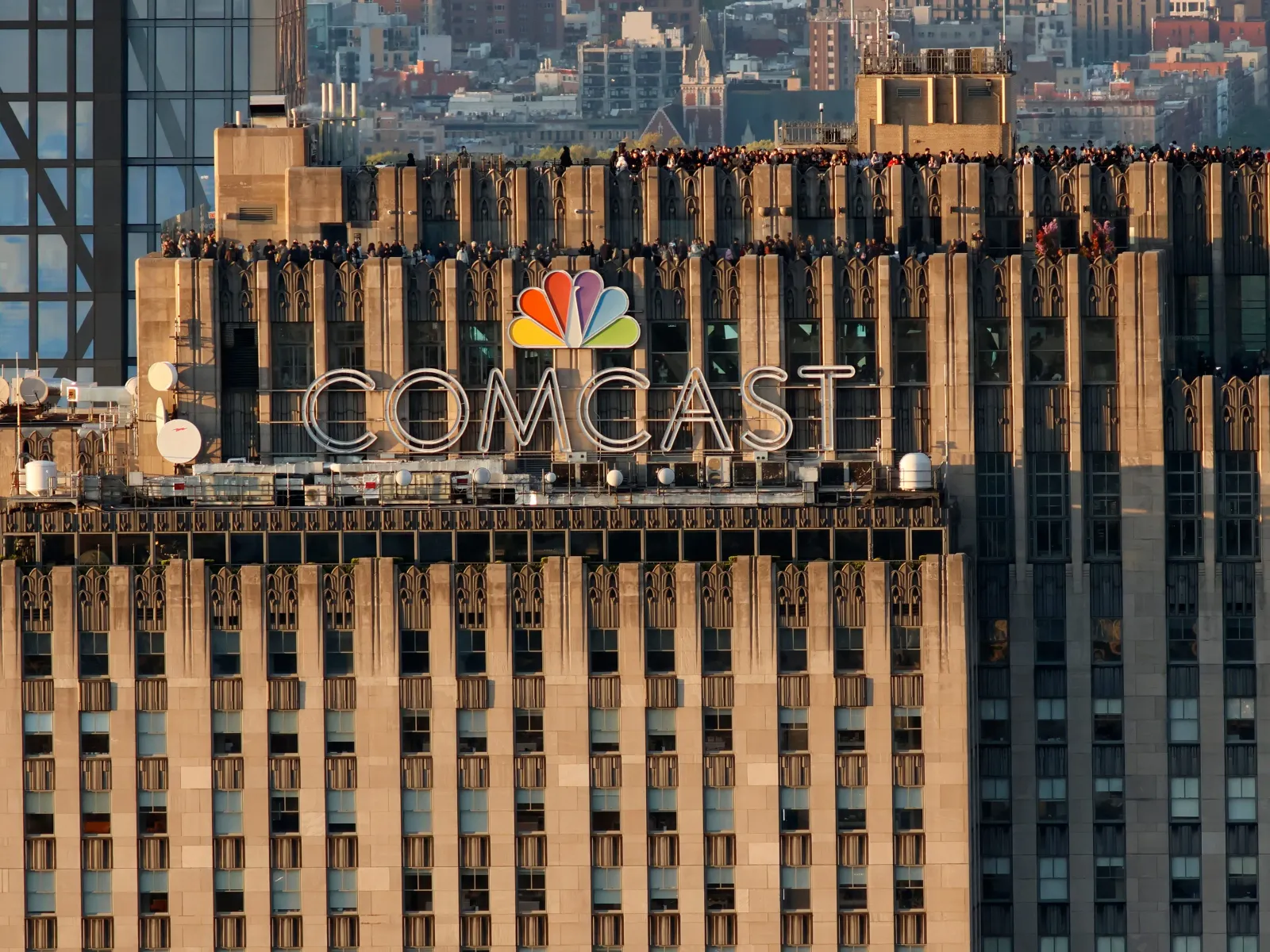
Comcast shares jump 25% as it plans to split NBCUniversal and Sky
The tax-free spin-off could reshape focus, funding, and competition across media and tech for years.

Bungie cuts most Destiny 2 staff as Sony says Marathon still matters
Herman Hulst confirms layoffs affecting most Destiny and some Marathon teams after Bungie admits Destiny fell short.