

AI texting bots are chatting voters in midterms, and campaigns are treating them like real outreach
NPR reports political campaigns are using AI-generated, candidate-sounding text conversations to personalize outreach, raising trust and oversight stakes.

Political campaigns are deploying AI texting bots that learn to sound like candidates and then engage voters through personalized text messages. For decision-makers, the shift changes how compliance, messaging review, and reputational risk get managed during election season.
Ahead of the midterms, political campaigns are getting campaign text messages ready to meet voters where they already live: inboxes that are mostly phone screens. NPR reports that some bots are being used to engage voters with personalized text messages, and that these conversations are being generated by AI texting tools that are taught to sound like a candidate.
That is the core change NPR is flagging. It is not just “automation” in the old sense of blasting the same message to a list. These systems are designed to mimic candidate voice and then carry out AI-generated texting conversations that feel personal. In a political environment where attention and persuasion are the whole game, the ability to scale two-way dialogue on a phone, while keeping it targeted, is exactly the kind of advantage campaigns want.
To understand why this matters, you have to zoom out for a second on how political outreach works. Traditional campaign texting has often been about volume: send the message, drive the voter to a landing page, collect the response if someone opts in, and repeat. Personalization still exists, but it usually comes from segmentation rules and human copywriters, not from systems that can generate the wording of a back-and-forth conversation in real time.
NPRs reporting paints a picture of a new layer. Bots that are taught to sound like a candidate are interacting with voters through text, with the conversation itself generated by AI. That creates a different experience for the recipient. Even if the bot is clearly a bot in some implementations, the key point is the conversational feel. It can resemble the cadence, phrasing, and “personality” voters associate with a candidate, which can make the message land differently than a static SMS.
This is where incentives and operational reality collide. Campaigns typically operate under intense time pressure, with messaging cycles that accelerate as elections approach. If AI-generated conversations can be produced quickly, adjusted to different voter segments, and kept consistent with a candidate’s voice, that can look like productivity gains. But those same incentives also increase the pressure to move fast, sometimes faster than governance systems are ready.
That governance gap is the risk executives tend to learn about the hard way. When outreach becomes conversation, there is more surface area for what could go wrong: incorrect claims, tone mismatches, or messages that violate policy or legal constraints. Even when campaigns believe they have guardrails, AI systems can still produce outputs that need review. And in texting, review is tricky because speed is the product, not the exception.
Regulatory and compliance expectations in elections are already complex, and AI adds a new operational wrinkle: oversight becomes more about process than a one-time approval. Instead of reviewing a single text template, teams may need to think about how AI-generated responses are constrained, how logs are kept, and how accountability works when the “final” message is created at runtime. For decision-makers, this is not just a legal question. It is also a reputational one, because if voters feel tricked, or if coverage highlights bots posing as candidates, the backlash can become a campaign story instead of a policy story.
Second-order implications also extend beyond the campaign side. Vendors and platforms that enable or host these AI texting experiences can become part of the scrutiny. Boards and compliance committees, especially at companies tied to election tech, should expect more questions about data handling, training practices, and what exactly was taught to make a bot sound like a candidate. The more that AI-generated texting looks like candidate outreach, the more stakeholders will treat it like political communications infrastructure, not like harmless customer engagement automation.
The strategic stakes are clear for any executive facing the question, “Should we use AI to scale outreach?” NPRs reporting suggests that at least some campaigns are already doing it, and they are doing it in the most direct channel available: one-to-one texting conversations. If you run a campaign operation, a communications product, an election-adjacent platform, or an organization that supports political messaging, the timing is the problem. Election cycles compress timelines, but trust and oversight do not compress at the same pace. The organizations that handle this well will be the ones that pair speed with reviewable controls and transparent accountability. The ones that do not may discover that conversational AI does not just change marketing. It changes what voters believe they are interacting with.
This story's Key Insights and Take-aways are locked.
Create a free account to unlock Executive Actions for one credit.
Register to UnlockAlways free for Executives Club members. Join the Club
More in Politics

Glacial collapse, not rain, killed 180 in Nepal's Himalayan flood
The Himalaya's extreme geography hid the true cause of Nepal's catastrophic flood, a glacial collapse that turned a geological battleground into a mass-casualty zone.

Iran’s Esmail Baghaei says Oman talks start shipping via Hormuz, not US talks yet
Temporary route plans with Oman aim to restart commerce while Tehran says Washington dialogue is not on the table.
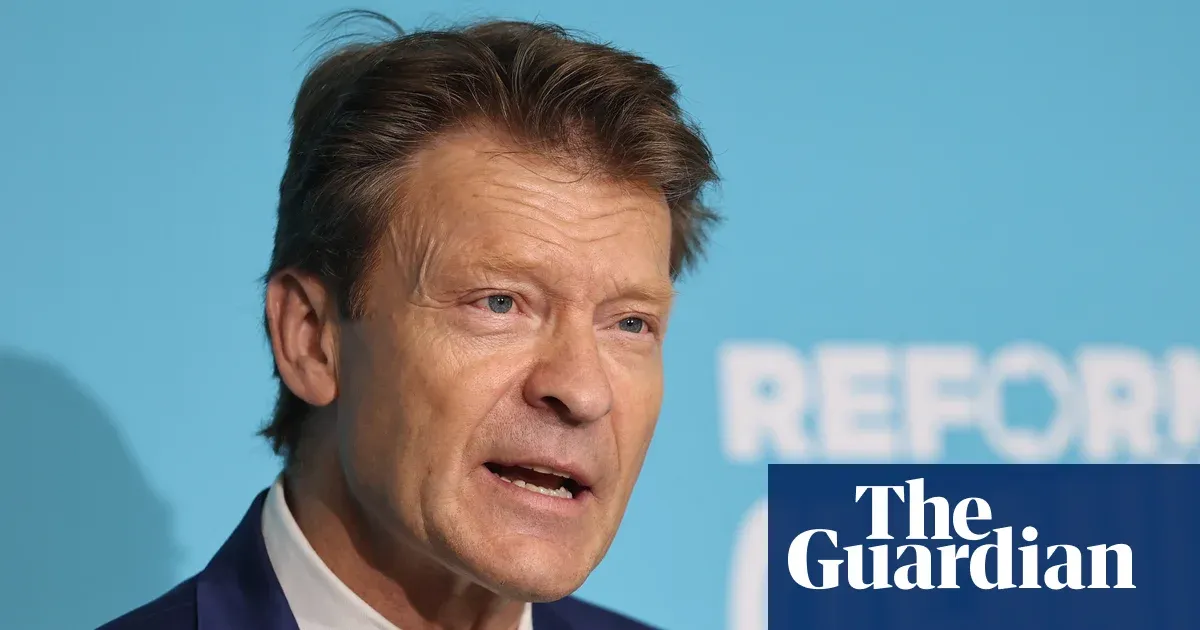
Standards watchdog opens probe into Reform UK deputy leader Richard Tice over interests
The parliamentary standards commissioner says it began an investigation on 28 July into a possible undeclared interest.