
Trump tried to exit Iran war fight. Putin kept pressing in Ukraine. Both got stuck
A new look at Iran and Ukraine shows how military pressure runs into political limits, and why exits are hard.

The New York Times compares the dynamics of the Iran and Ukraine wars, highlighting Trump’s pull toward an exit and Putin’s continued pressure. The consequence for decision-makers: force alone cannot reliably move political outcomes, especially when leaders are dug in or hesitant.
The Iran and Ukraine wars are a live case study in a messy reality: military power has limits when the goal is political change. The New York Times piece frames this as both common ground and sharp contrast, with one side “dug-in” and the other “vacillating.” The takeaway is not abstract. It goes straight to what executives and investors should assume when they hear confident talk about pressure producing results.
On one track, the paper describes a Trump effort to find a “war exit” for Iran. On the other, it describes Putin pushing to press on in Ukraine. That difference matters because wars do not run on battle maps alone. They run on political will, decision-making tempo, and the willingness of leaders to accept costs over time. When one leader can credibly pivot toward exit while the other keeps escalating the pressure, the whole strategic system can lock. You do not get clean, proportional outcomes. You get inertia, and then both sides are stuck in the middle of outcomes they cannot fully control.
Why does this translate beyond geopolitics? Because this is how most high-stakes systems behave, including markets, regulators, and corporate crisis management. A common misconception is that stronger force means faster resolution. But political ends require compliance, legitimacy, and negotiation space. Even if one side wins tactical moments, the political objective can remain out of reach if the opponent adapts. In the same way that companies can win on execution but still lose on stakeholder acceptance, military leaders can win engagements but still fail to change political conditions.
The second-order effect is that leaders face feedback loops. In Ukraine, a “dug-in” posture implies durability. It suggests the domestic and strategic machinery can keep absorbing shocks without collapsing. That changes how other actors plan. If the opposing side expects sustained resistance, pressure may shift from decisive outcomes to long-run management. In the context of Iran, “vacillating” suggests a different risk profile: when a political leadership signals uncertainty about the endgame, it can undermine long-horizon bargaining and encourage opponents to wait out momentum. The result is not necessarily calm. It is often a prolonged contest in which neither side can credibly sell a termination.
There is also a regulatory and institutional echo here. Wars and sanctions are not just headlines. They create enforcement regimes, compliance obligations, and cross-border constraints that keep accumulating even when strategies shift. For business leaders, the lesson is that policy outcomes do not just depend on the intent behind them, but on the machinery that implements them. Once enforcement ramps up, unwinds can be slower than expected because agencies, contractors, financial intermediaries, and counterparties have already built processes around the new reality. That is true even when leaders want out. The paper’s “stuck” framing captures the same mismatch between the desire to end and the difficulty of changing the system.
For executives, the practical question becomes: what happens when your strategy assumes linear cause and effect, but the environment is driven by political durability and hesitation? In the corporate world, that can show up as a plan that relies on counterpart behavior changing quickly. In geopolitical settings, it shows up when a leader bets that pressure will force a political settlement on a tight timetable. If the opponent can remain “dug-in,” or if domestic politics creates “vacillation,” then the pressure might not translate into an exit.
So what should decision-makers do with this? First, treat “force” as one input, not a guarantee. Second, anticipate that political objectives often require time, legitimacy, and negotiated space, not just leverage. Third, plan for lock-in risk: the moment the incentives on both sides start favoring delay, even well-intended exit strategies can stall. The New York Times piece lands on this dual conclusion: military force shares a common limit in achieving political ends, but the path depends on whether leaders are able to sustain pressure or shift direction. In a world where many organizations are already navigating sanctions, supply chain constraints, and regulatory volatility, the “both are stuck” lesson is a reminder to stress-test assumptions about how quickly pressure can buy a political resolution.
This story's Key Insights and Take-aways are locked.
Create a free account to unlock Executive Actions for one credit.
Register to UnlockAlways free for Executives Club members. Join the Club
More in Politics

Glacial collapse, not rain, killed 180 in Nepal's Himalayan flood
The Himalaya's extreme geography hid the true cause of Nepal's catastrophic flood, a glacial collapse that turned a geological battleground into a mass-casualty zone.
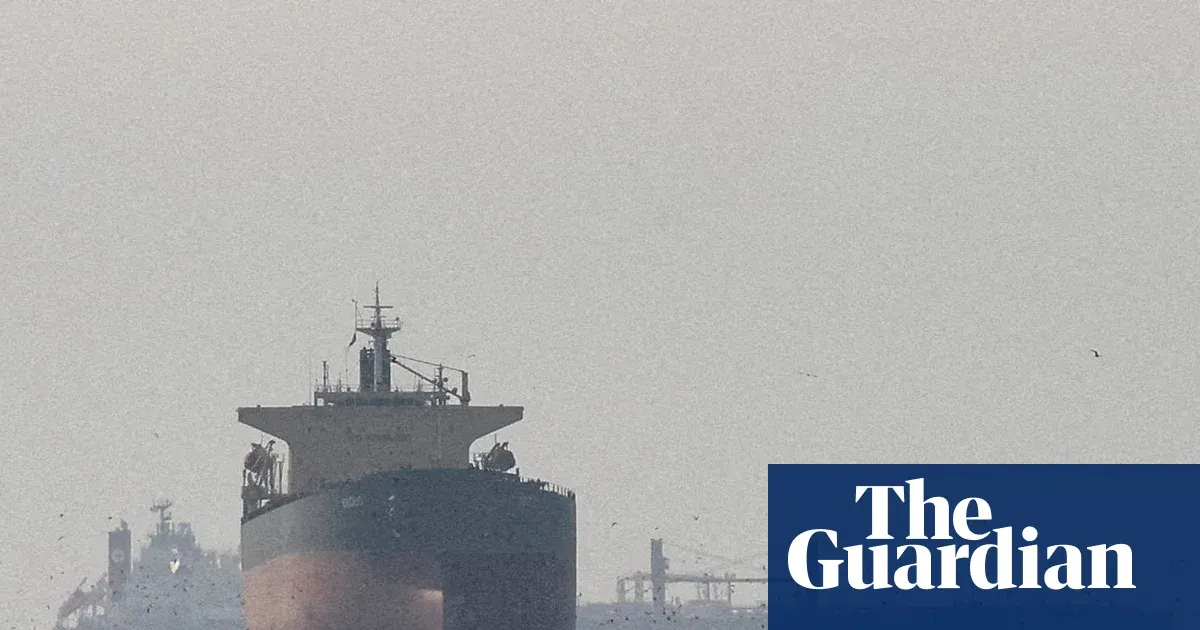
Iran’s Esmail Baghaei says Oman talks start shipping via Hormuz, not US talks yet
Temporary route plans with Oman aim to restart commerce while Tehran says Washington dialogue is not on the table.
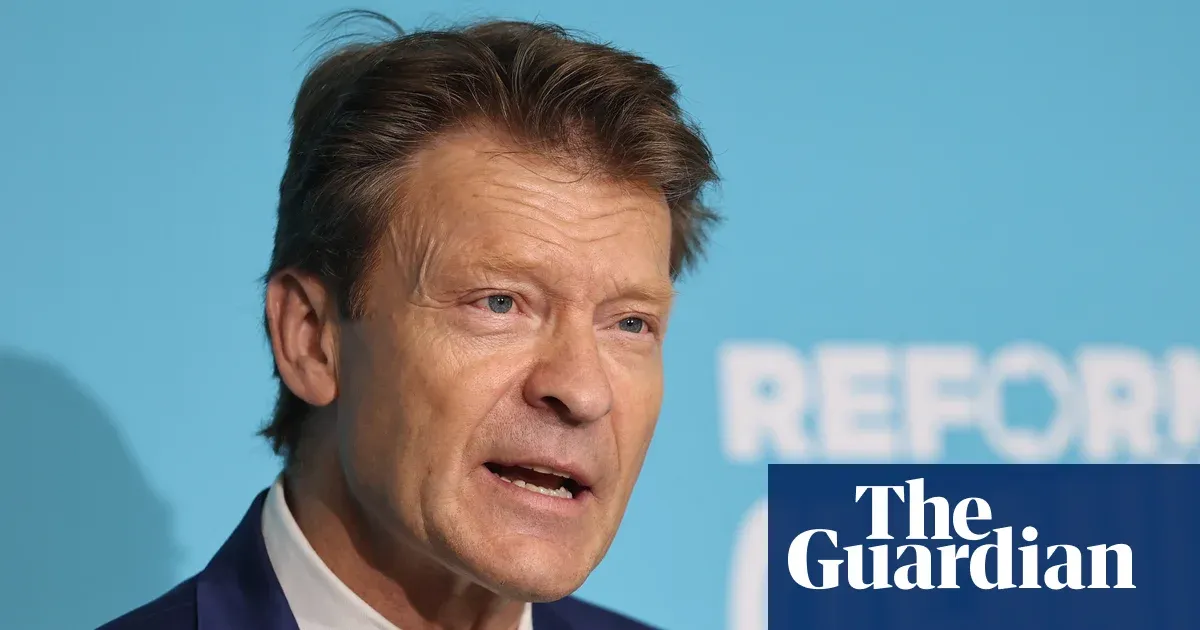
Standards watchdog opens probe into Reform UK deputy leader Richard Tice over interests
The parliamentary standards commissioner says it began an investigation on 28 July into a possible undeclared interest.