

Alibaba pays $600M to end DOJ probe over illegal drug sales
A $600 million settlement follows admissions tied to about 80,000 unlawful product sales, with board-level compliance stakes.

Alibaba agreed to pay $600 million to settle a DOJ probe into illegal drug sales. The settlement involves admissions by Alibaba and its U.S.-based payment processor that covered roughly 80,000 unlawful product sales over nearly a decade.
Alibaba is paying $600 million to settle a DOJ probe into illegal drug sales, and the details behind that number matter more than the sticker shock.
In the settlement, Alibaba and its U.S.-based payment processor admitted to roughly 80,000 unlawful product sales over nearly a decade. That admission is the core of the DOJ’s case, and it turns what might otherwise look like a routine enforcement settlement into something closer to a compliance reckoning: the government is not just punishing; it is pinning responsibility to years of conduct.
For executives, the practical takeaway is that this is not a “we got caught once” story. About 80,000 unlawful product sales spread across nearly a decade signals that illegal activity did not live at the edges. It suggests a persistent failure to prevent, detect, or stop a category of harmful transactions from completing, even when the business model depended on payment flows and marketplace scale.
It also raises a second-order question: why did the payments piece matter enough for a U.S.-based processor to be named in admissions? In online commerce, payments are the plumbing that makes transactions real. If a payment processor helps enable unlawful commerce, even inadvertently, regulators can treat it as part of the enforcement chain. That shifts the risk conversation for boards and compliance teams from “platform oversight” to “end-to-end transaction responsibility,” including the third parties that move money and confirm purchases.
Zoom out and you see a pattern that is becoming hard to ignore. Cross-border platforms operate at global speed, but regulators pursue enforcement with national tools. The DOJ’s involvement is a reminder that U.S. law can reach conduct tied to American payment systems, U.S.-based partners, or other jurisdictional hooks. For companies with U.S. payment processors, card networks, or other financial rails, settlement terms can become a proxy for how regulators view operational maturity and internal controls over long time horizons.
From a governance standpoint, the board-level issue is not only the $600 million. It is what the settlement implies about how compliance programs were designed and measured. When admissions span nearly a decade, it suggests the problem outlasted typical compliance refresh cycles. That puts pressure on leadership to prove that monitoring, seller enforcement, and transaction review processes are not just policies on paper, but systems that scale with marketplace volume.
There are also market implications for peers. Large e-commerce companies do business in a space where enforcement depends on data, tooling, and incentives. If a DOJ settlement ties unlawful product sales to payment enablement and long-running platform behavior, investors and other stakeholders can interpret that as a broader regulatory risk for the sector, not an isolated event. Even companies that do not sell drugs will feel the knock-on effect: compliance budgets, vendor scrutiny, and transaction monitoring standards tend to rise after headline enforcement actions.
Finally, for decision-makers, this settlement is a warning about time. You can spend years building growth and still end up paying for control gaps years later. The $600 million figure is the visible outcome, but the deeper message is the link between admissions and long-running unlawful sales. Boards that want to reduce future existential risk should treat this as a signal: regulators can translate “millions of transactions” into specific, accountable counts, and settlements can force companies to confront where oversight actually failed, not just where it sounded good.
This story's Key Insights and Take-aways are locked.
Create a free account to unlock Executive Actions for one credit.
Register to UnlockAlways free for Executives Club members. Join the Club
More in Business
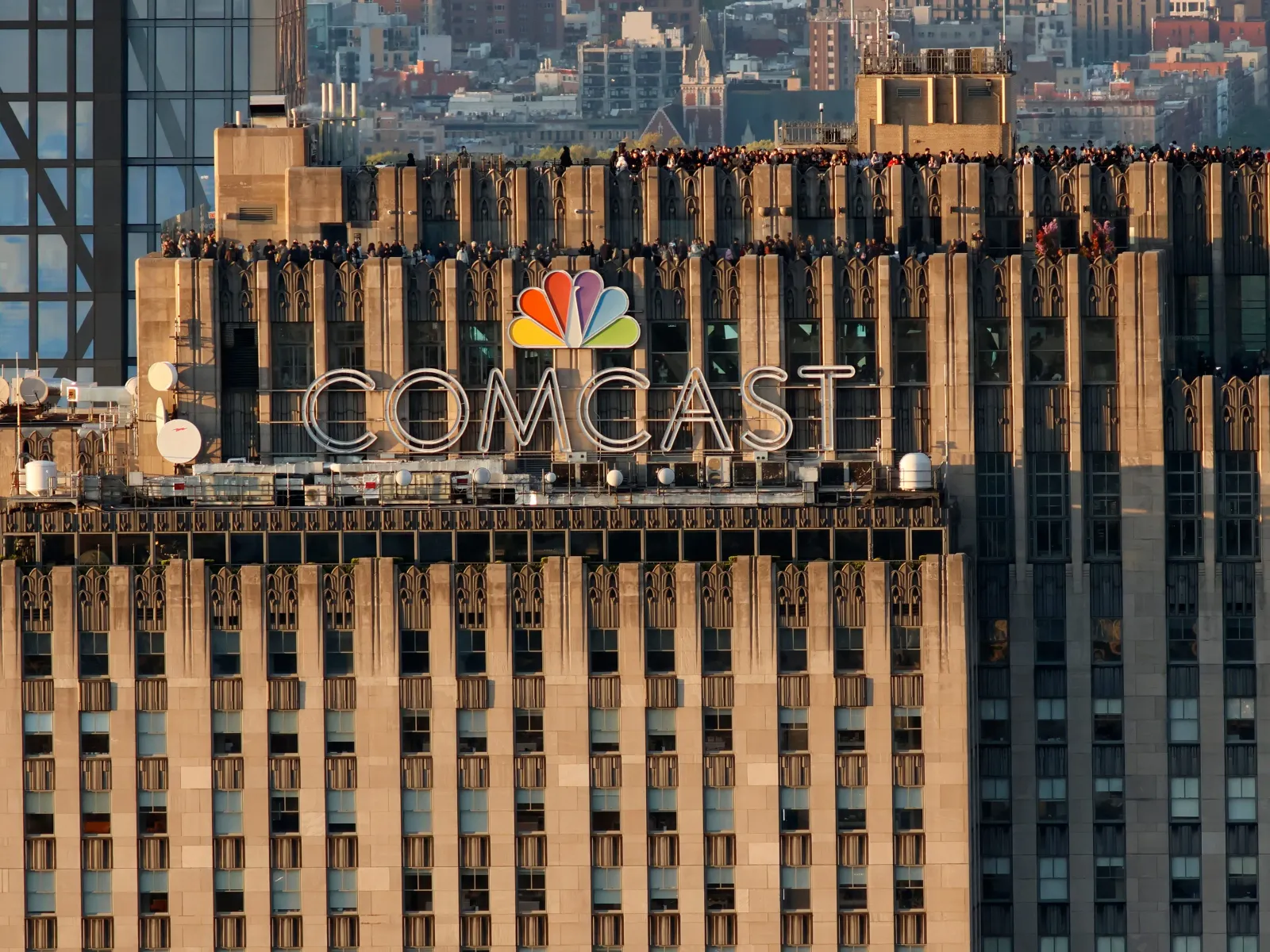
Comcast shares jump 25% as it plans to split NBCUniversal and Sky
The tax-free spin-off could reshape focus, funding, and competition across media and tech for years.

Bungie cuts most Destiny 2 staff as Sony says Marathon still matters
Herman Hulst confirms layoffs affecting most Destiny and some Marathon teams after Bungie admits Destiny fell short.

SK Hynix jumps 11% after seeking up to $29.4B in Nasdaq listing
The chip giant filed for a Nasdaq listing plan that could raise $29.4 billion, instantly reshaping investor expectations.