

Alive biodegradable textiles can host engineered microbes to change color and add UV protection
A new living-material approach could reshape how brands think about color, protection, and biodegradability in apparel.
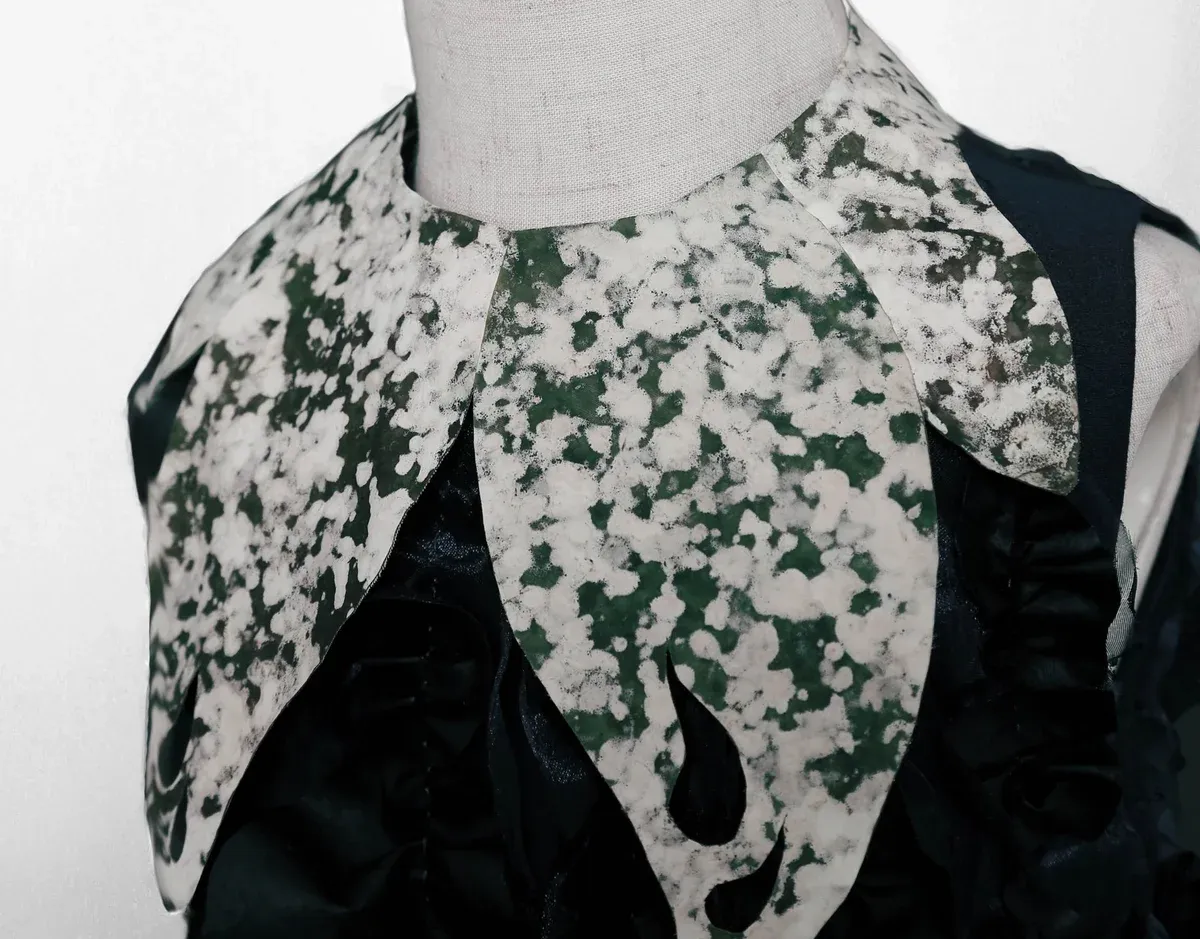
Researchers are turning biodegradable textiles into living substrates that can host engineered microbes. The result is fabric that can change color and add UV protection, with built-in biodegradability implications.
Fashion has a problem it keeps trying to solve with chemistry. Most textiles are designed to look good, perform under stress, and then disappear as little as possible. The breakthrough described in Scientific American flips the script: a biodegradable textile can be alive, and it can host engineered microbes. Those microbes can be programmed to do practical things, like changing the fabric's color or adding UV protection.
That combination matters because it merges two directions the industry has pursued in parallel but rarely under one roof. Color and performance typically come from durable chemical treatments or dyes, while biodegradability is often engineered at the fiber level.
This story's Key Insights and Take-aways are locked.
Create a free account to unlock Executive Actions for one credit.
Register to UnlockAlways free for Executives Club members. Join the Club
More in Science

Alaska's 1,580-foot tsunami had warning signs. Scientists just found them.
Rapid glacier retreat, heavy rainfall, and thousands of tiny tremors preceded Alaska's 1,580-foot tsunami, a warning for every coastal community in a warming world.

The rare mutation that lets high-risk brains dodge Alzheimer's
Scientists found a natural defense against protein buildup, opening a new path to preventive treatments.

3,000 steps a day may halve Alzheimer's decline, study finds
New research links a modest daily walk to less tau buildup and nearly half the cognitive and functional decline, even for those with early signs.