

Alphabet's record post-earnings slide drags Nasdaq futures as AI fears hit Google
Google's parent faces its worst stock reaction to earnings on record, signaling investor conviction is cracking over AI competition.
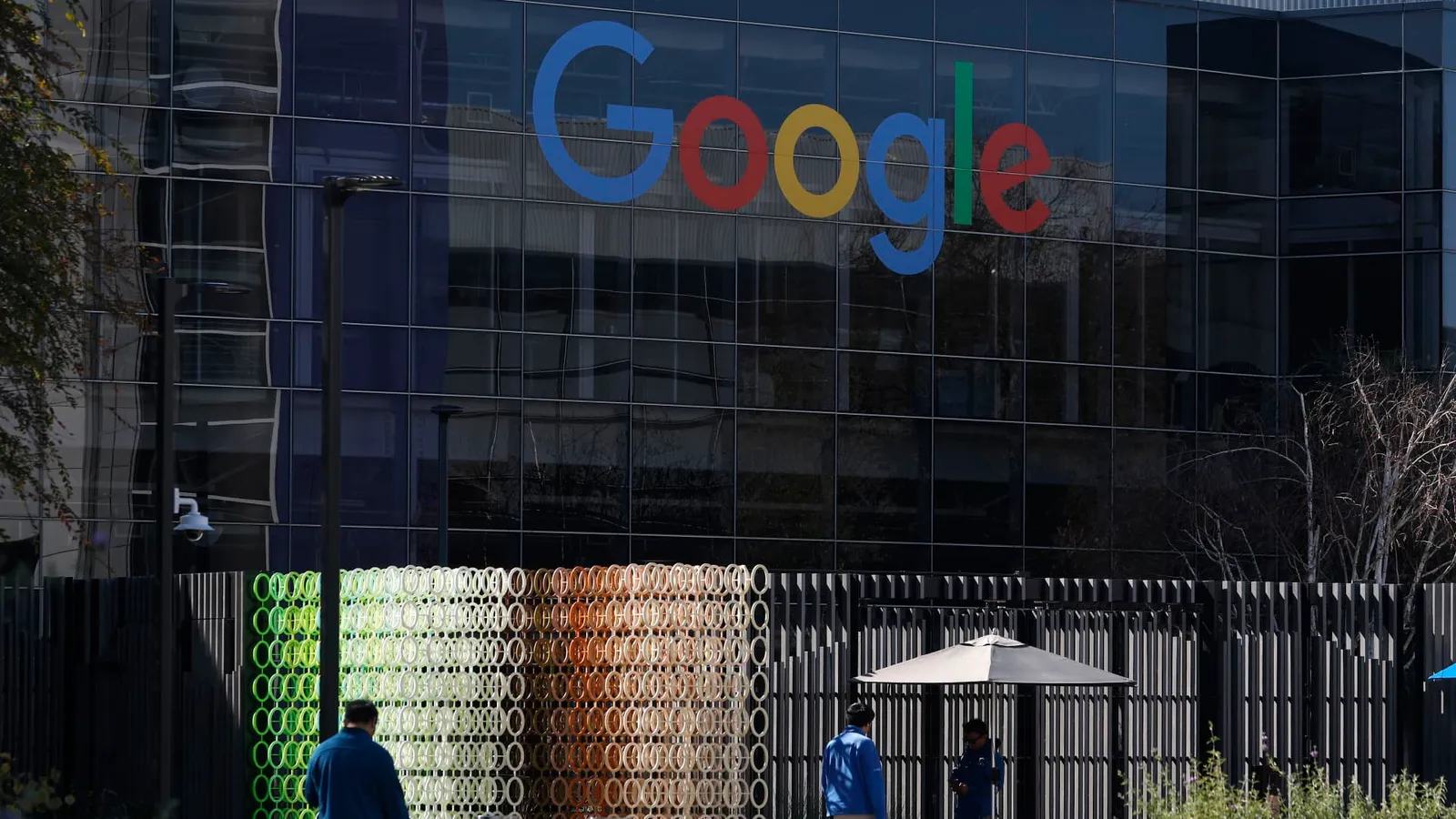
Alphabet, Google's parent company, is suffering a record post-earnings stock loss that is dragging Nasdaq futures lower. For decision-makers, the sell-off signals that investors are repricing Big Tech's AI moats and demanding concrete proof of AI monetization.
Alphabet is going through its worst earnings hangover ever, with the stock set for a record post-earnings loss that pushed Nasdaq futures into the red before the bell. The sharp decline is not just a one-day wobble for Google's parent; it is a warning shot aimed at the entire Big Tech complex, where investors are suddenly questioning whether the companies spending billions on artificial intelligence can actually defend their turf. The immediate trigger is Alphabet's latest quarterly report, which sparked fears that AI competition is eating into Google's core search and cloud businesses faster than the company can respond.
The concern, as the market is framing it, is that the Google parent is taking a direct hit from AI rivals. Investors are looking at a landscape where OpenAI's ChatGPT and Microsoft's Copilot have become default answers for a generation of users, and where Amazon's AWS and Microsoft Azure are flexing AI tools that undercut Google Cloud's pitch. The record stock loss is the market's blunt verdict: Alphabet's AI strategy, for all its investment in Gemini and TPUs, has not yet shown the financial payoff that justifies its valuation. When the Nasdaq's heavyweight begins to stumble, it takes the whole index down with it, which is why futures are sliding before the opening bell.
To understand the severity, consider the context. Alphabet has historically been a steady compounder, routinely beating earnings estimates and rewarding shareholders with buybacks. A record post-earnings drop means this quarter broke a pattern of resilience that investors had come to expect. It also arrives at a moment when the AI arms race is forcing every major tech company to spend aggressively, pressuring margins while the return on that spending remains an open question. For Alphabet, the challenge is twofold: it must keep pace with AI-native startups in product development while proving to Wall Street that its dominant search franchise is not being slowly disrupted.
The AI competition narrative has been building for over a year, but this earnings event feels like a turning point. Previously, Alphabet could point to cloud growth and YouTube strength as offsets to any AI anxiety. Now, the market appears to be pricing in a worst-case scenario where Google's core advertising business, still the company's cash engine, loses queries to AI chatbots that answer directly without ads. Regulators in the US and Europe are also circling, having already tried to force changes to Google's search default deals, which adds a legal layer to an already fragile sentiment. The confluence of competitive, regulatory, and execution pressures has made Alphabet a bellwether for whether the AI boom benefits the incumbents or the insurgents.
For the broader market, the implication is stark. Alphabet is one of the largest weights in the Nasdaq, so its slide is a drag not just on its own shares but on the index itself. Futures trading reflects that: when a stock of this size moves sharply, index traders adjust quickly, and the ripple effect spreads to growth and tech ETFs. This creates a feedback loop, where a single company's earnings disappointment can cap the entire sector's rally. It also resets the bar for other mega-cap earnings: if Alphabet gets punished this harshly, investors will scrutinize Microsoft, Amazon, and Meta with even less patience for vague AI promises.
The strategic stakes for Alphabet are now clear. Management must show demonstrable AI monetization, whether through ad products that use generative AI to boost click-through rates, cloud deals that win enterprise workloads, or consumer features that keep users inside Google's ecosystem. Investors are no longer satisfied with research breakthroughs or model benchmarks; they want revenue graphs. The board faces a choice between continuing the current capital spending trajectory or signaling a more disciplined approach that ties AI investment to near-term returns. Historically, Alphabet has favored long-term bets, but a record post-earnings loss is the kind of event that forces a more immediate response.
For executives across the tech landscape, this is a cautionary tale. The market's patience for AI transformation stories is thinning, and those who cannot articulate a clear path from AI investment to earnings will see their stocks punished. Boards should revisit how they communicate AI strategy in earnings calls, emphasizing unit economics, customer adoption, and timelines rather than just model capabilities. The Alphabet slide is a reminder that in an era of massive AI capital expenditure, the cost of falling short is not just a bad quarter, it is a historic one. Every CFO should be asking: if Alphabet can face a record loss, what would our company's AI misstep look like?
This story's Key Insights and Take-aways are locked.
Create a free account to unlock Executive Actions for one credit.
Register to UnlockAlways free for Executives Club members. Join the Club
More in Business

Binance scrambles to claw back $6.3B stolen in North Korea-linked hack
The world's largest crypto exchange faces the biggest heist on record, and the recovery effort will test the limits of blockchain forensics.

North Korea's TraderTraitor unit blamed for Binance's record $6.3bn heist
The largest crypto theft on record has rattled markets, slashed billions from token values, and put Binance's security revamp under the spotlight.

Binance probes $6.3B hack, freezes $3B; Polymarket halts trades
Two major trading platforms reported separate security incidents on Thursday, with billions frozen and user funds on the line.