

Amazon budgets $1B for AI adoption support, sending engineers straight to clients
A new Amazon play puts hands-on help where AI projects stall, reshaping how enterprise AI gets sold and delivered.
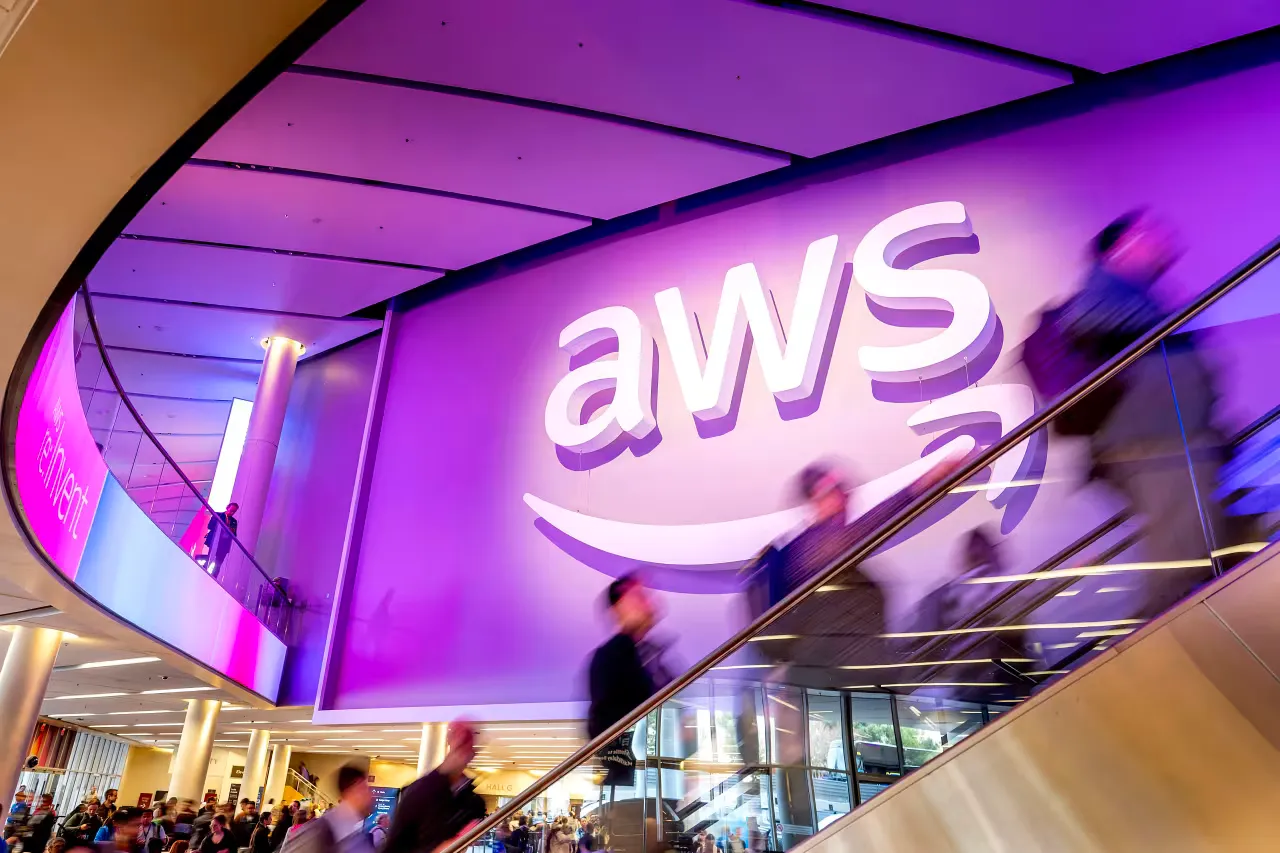
Amazon is laying out $1 billion to follow Palantir's AI playbook, sending engineers directly to clients to bolster artificial-intelligence adoption. For decision-makers, it signals a shift from selling models to de-risking deployments in the real world.
Amazon.com is laying out $1 billion to follow Palantir’s AI playbook, and the move is oddly literal: Amazon is sending engineers directly to clients. The goal is to bolster artificial-intelligence adoption, not through marketing decks, but by putting technical people in the middle of customer projects. In other words, Amazon is treating AI rollout like an implementation problem, not a product discovery problem.
That $1 billion budget is the headline number, and it clarifies the “how” behind the strategy. The approach is described as Amazon sending engineers directly to clients as a way to bolster AI adoption. Instead of leaving customers to figure out integration, data plumbing, and change management on their own, Amazon is showing up with the technical muscle. If you have ever watched an AI initiative stall, you know the common failure mode is not “we lack the idea.” It is “we cannot get it to work consistently in our systems, with our data, under our constraints.” Amazon’s answer is to shorten that distance.
This is also a very smart response to how enterprise AI actually buys and deploys. AI adoption is often constrained by practical friction: messy data, security reviews, unclear ownership, and the sheer operational grind required to take something from a demo into a workflow. When an AI vendor or platform only provides software and documentation, customers absorb the risk. When the vendor brings engineers to the client, the risk shifts, at least partially, toward the vendor. That can reduce internal resistance, speed up pilots, and make adoption politically easier inside a company because leadership can point to active, accountable support.
Palantir is the named reference point in the source, and that matters because it tells you what “AI playbook” means here. Following that playbook implies an operating model built around close customer collaboration. It is not just “use our platform.” It is “we help you implement and operationalize it.” For boards and exec teams, this is an important distinction. Enterprises do not need more AI tools. They need a delivery approach that handles the messy middle: integration across systems, alignment of teams, and reliable performance.
There is another layer here too, and it is about incentives. Vendors compete for enterprise budgets, but AI budgets are typically approved alongside concerns about governance, security, and liability. If AI adoption becomes a hands-on engagement rather than a self-serve effort, decision-makers gain visibility into implementation choices. That can make procurement smoother and tighten feedback loops. Meanwhile, Amazon gains learning, too. Direct engagement can reveal which use cases struggle, which architectures work, and which customer environments create the biggest bottlenecks. That knowledge can feed future product direction and more targeted solutions.
Now, a brief regulatory framing, without pretending the source provides new compliance details. AI deployments in enterprises are constantly shaped by oversight expectations, from data handling to model governance. While the source does not mention a specific regulator, the broader reality is that enterprises must align AI projects with internal policies and external requirements. That means adoption is not just technical. It is also governance-driven. A “send engineers to clients” model can help teams navigate these realities faster by addressing concerns as they surface, rather than after the fact.
Second-order implications are where this gets interesting for peers. If Amazon effectively out-implements the problem, customers may start asking tougher questions of other vendors: What support comes with the product? Who owns integration risk? Who helps when the pilot breaks? That shifts competitive pressure away from capabilities alone and toward execution. For investors and operators alike, it is a reminder that AI value is often unlocked by delivery and deployment discipline, not just model performance.
This story's Key Insights and Take-aways are locked.
Create a free account to unlock Executive Actions for one credit.
Register to UnlockAlways free for Executives Club members. Join the Club
More in Business

Comcast shares jump 25% as it plans to split NBCUniversal and Sky
The tax-free spin-off could reshape focus, funding, and competition across media and tech for years.

Bungie cuts most Destiny 2 staff as Sony says Marathon still matters
Herman Hulst confirms layoffs affecting most Destiny and some Marathon teams after Bungie admits Destiny fell short.

SK Hynix jumps 11% after seeking up to $29.4B in Nasdaq listing
The chip giant filed for a Nasdaq listing plan that could raise $29.4 billion, instantly reshaping investor expectations.