
Amazon calls FTC ad lawsuit 'patently false' as 22 states join
The e-commerce giant fires back at regulators, citing flat ad costs and $230 average consumer savings, as the legal battle over search ad pricing escalates.

Amazon has publicly rejected the FTC's lawsuit filed with 22 states, calling the allegations 'misguided' and 'patently false.' The dispute centers on whether Amazon's ad auction practices inflated prices for advertisers, with Amazon citing data showing flat cost-per-click and improved ad relevancy.
The Federal Trade Commission and 22 states filed a lawsuit against Amazon on Monday, alleging that the company's search advertising auctions secretly inflated prices for advertisers, extracting tens of billions of dollars. Amazon immediately fired back, calling the complaint "misguided" and "patently false" in a blog post, setting the stage for a high-stakes legal showdown over how the e-commerce giant prices its sponsored ads.
The lawsuit, filed in Washington federal court, claims Amazon engaged in deceptive practices that concealed higher fees from advertisers. FTC Chairman Andrew N. Ferguson said in a statement that Amazon's conduct "misled" millions of advertising customers into paying significantly higher prices, costs that were largely passed on to American consumers. The complaint follows a separate antitrust action brought by the FTC and 17 states, but this new case zeroes in specifically on Amazon's ad auction mechanics.
Amazon's rebuttal cites its own data: the company says customers saved over $230 a year on average last year through deals, coupons, and its Subscribe & Save program. It also claims that from 2019 through 2024, the average cost-per-click for its Sponsored Products search ads remained flat adjusted for inflation, while conversion rates grew 24% from 2021 to 2025. Amazon argues these numbers undercut the FTC's narrative of price gouging, insisting that advertisers "paid the same and got more" as ad relevancy improved.
Amazon further contends that the FTC's case is built on "a handful of simplified communications" and approximately 1.5 million pages of data across seven years, which the agency misinterpreted. The company says it has shared this data with the FTC on multiple occasions, but the agency "has shown little interest in engaging with the facts" and appears more focused on securing a "substantial monetary victory." Amazon maintains that its auction system works as intended and that it has provided advertisers with clear guidance on pricing.
This lawsuit is separate from the earlier antitrust action, but the two cases together signal an aggressive regulatory posture toward Amazon's marketplace dominance. The new complaint is more targeted, focusing on advertising revenue-a critical profit engine for Amazon. For advertisers, the outcome could reshape how Amazon's ad auction operates and what they pay for placement, potentially affecting millions of small and medium-sized businesses that rely on the platform.
For Amazon, the stakes are enormous. Advertising is one of its fastest-growing and most profitable segments, and any court-ordered changes to its auction system could dent that revenue stream. Amazon says it looks forward to making its case in court, signaling a lengthy legal battle that could take years to resolve. The company's defense rests on its ability to prove that its pricing is fair and transparent, backed by the data it has already shared with regulators.
The dispute also highlights a growing tension between tech platforms and regulators over how digital advertising is priced. As the FTC and states pursue Amazon, other platforms with similar ad models may face heightened scrutiny. This case could become a bellwether for how regulators approach ad pricing across the industry, forcing companies to reassess their own practices.
For executives and boards, the takeaway is clear: regulatory challenges to ad pricing models are not going away. Companies should ensure their pricing practices are transparent and defensible, and be prepared to back them up with data. The Amazon case demonstrates that even the largest players must justify their algorithms and fee structures, and that proactive disclosure may not shield them from litigation.
This story's Key Insights and Take-aways are locked.
Create a free account to unlock Executive Actions for one credit.
Register to UnlockAlways free for Executives Club members. Join the Club
More in Business
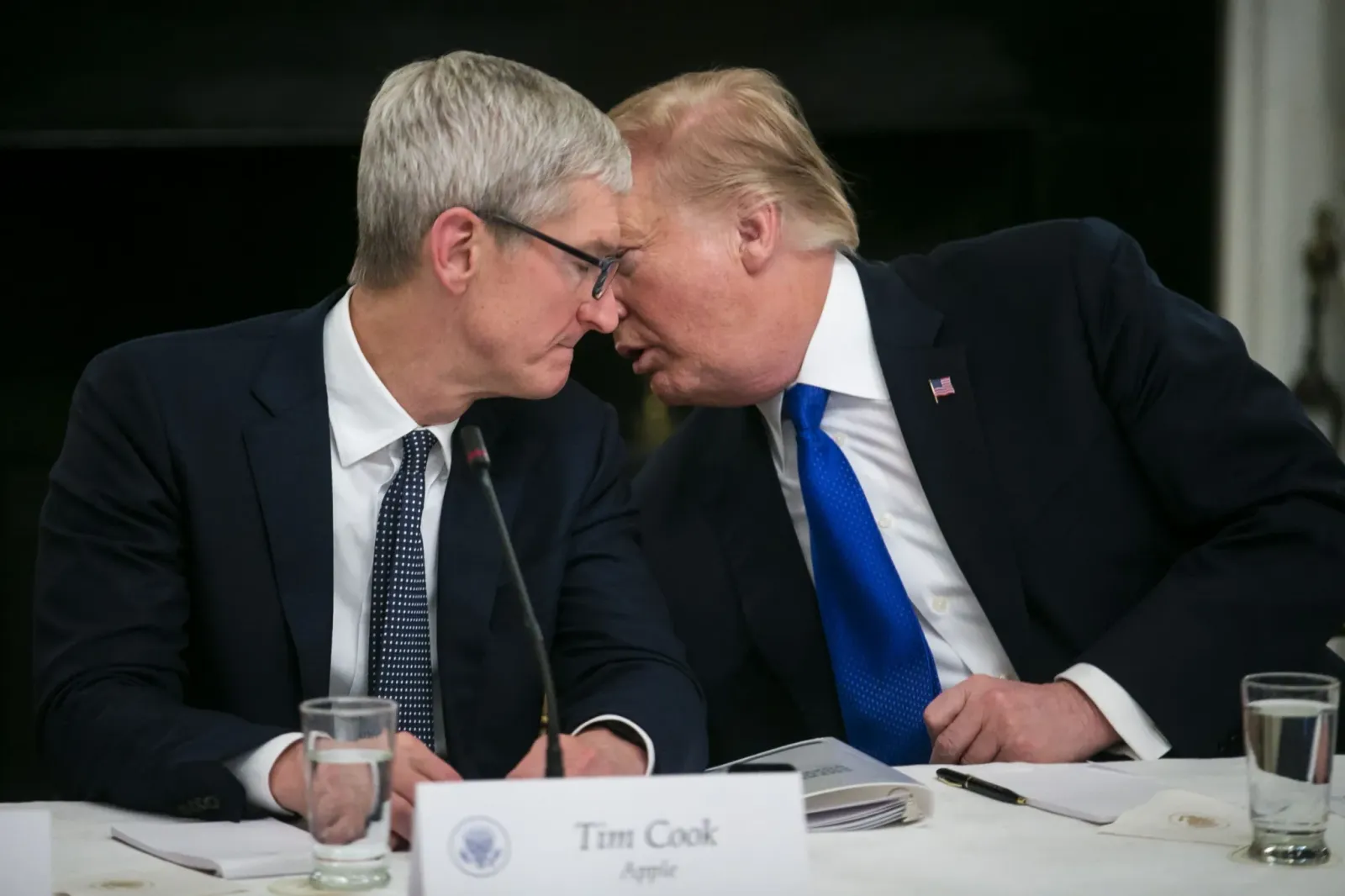
Tim Cook steps down as Apple CEO, stays on as chair with $45M equity
The 'Trump whisperer' keeps his White House and Beijing access as Apple navigates tariffs and a $4.6 trillion market cap.

Snowflake shares surge as AI data demand crushes estimates, lifting full-year forecast
Stocks jumped on stronger-than-expected guidance, signaling enterprise AI workloads are accelerating faster than Wall Street priced in.

Tim Cook's 15-year Apple CEO run ends: 3 lessons for any successor
After 15 years, Tim Cook hands Apple to John Ternus - here's how he turned a $350B company into a $4.6T juggernaut.