
Amazon recasts Kratos after Ryan Hurst tears a bicep, pausing production mid-run
Deadline reports Hurst’s injury and recovery force a restart, including redoing already-shot scenes and episodes.
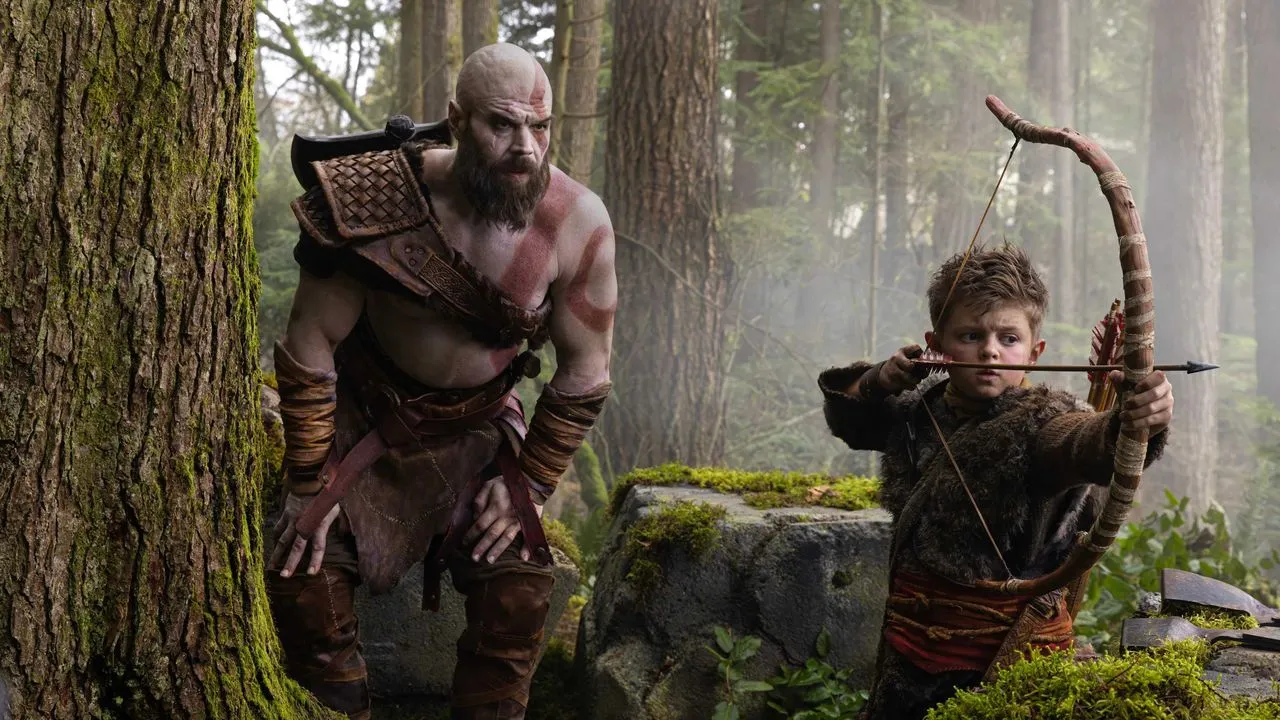
Amazon’s upcoming God of War TV series will recast Kratos after actor Ryan Hurst tore a bicep on set, according to Deadline. The injury has already paused production, with a planned mid-October restart that risks a significant reshoot timeline.
Amazon’s upcoming God of War TV series is about to reset a lot more than just a filming schedule. Deadline reports that the show will recast Kratos after actor Ryan Hurst tore a bicep while performing a stunt. Anonymous sources in the report claim Hurst has had surgery and is recovering.
This is not a small “we’ll adjust later” moment. Deadline also points out that Hurst “underwent a physical transformation” and put on 40 pounds of muscle specifically to play Kratos. Once you factor in the physicality of the role, plus the production realities of a child actor who is in every scene with the character, the simplest path becomes starting over rather than trying to reshape the filming plan around a recovering lead.
So what happens next? Production paused right after the injury. Deadline reports production is planned to restart by mid-October, and crucially, it will restart with someone new in the role. That means any scenes already shot will have to be redone. Deadline notes that four episodes are already wrapped, which makes this a far-reaching production correction, not a minor tweak.
For executives, this is the kind of operational hit that rarely stays contained. Even if the creative team already has momentum, redoing scenes and potentially recalibrating performance continuity can ripple into costs, schedules, and downstream marketing plans. The show has already experienced a “mixed reaction” to the initial photo that stirred discussion about Hurst as Kratos, per the report. In other words, the production is not just managing an injury. It is also managing perception, especially when the casting outcome may now shift again.
The incentives here are straightforward. Television production is a chain of dependencies: casting, wardrobe, stunt work, location and set schedules, editing, and later post-production. If the lead actor is physically sidelined, the question becomes how long you can wait without burning the calendar. The report’s line about a planned restart by mid-October suggests Amazon and the showrunners decided the downtime needed an endpoint, even if that endpoint came with reshoots.
There is also a second-order reality that matters to boards and investors: sunk cost can still be rational even when it hurts. Four episodes already wrapped sounds like “investment already made,” but it also means four episodes worth of footage and approvals may need to be rebuilt. Reshoots are expensive, but so is letting the series slip into a schedule collapse where every other production constraint multiplies. When the report implies restarting by mid-October, it hints that the team believes they can stabilize the overall pipeline with a recast, instead of trying to adapt during recovery.
The broader entertainment context is that high-physicality fantasy has become increasingly stunt-heavy, and that makes on-set injuries a recurring risk. Stunts are inherently time-sensitive. You can plan. You can train. But the body can still fail at the worst moment, as this case shows. Hurst tearing a bicep during a stunt is a reminder that even carefully engineered physical transformations and production schedules can be derailed by one physical event.
For Hurst’s career, the timeline is complicated but not empty. Deadline notes he is also in Christopher Nolan’s new Odyssey movie as Mentor. Theater-avoidant gamers may know him as Thor in God of War: Ragnarok, or as Beta in AMC’s Walking Dead series. That detail matters because it indicates Hurst is not simply a casting one-off; he has recognizable roles across major franchises and platforms, and his absence from Kratos is a real casting reshuffle rather than a temporary placeholder.
It is not clear who will take his place. But given the reported production schedule, the report suggests the show will not leave audiences waiting long to find out. For peers and decision-makers watching from the sidelines, the takeaway is sharp: casting, especially for iconic action roles like Kratos, is not just a creative choice. It is also a production system. One injury can force a reset across episodes already wrapped, changing both budget math and the timeline for delivery.
And yes, players are already dealing with their own platform anxiety in the background, even if it is not directly related to this injury. The source ends with a note about “God of War Laufey,” which seems likely to forego the PC platform, though the details there are separate from the TV show’s production. What connects everything, for executives, is the audience’s expectation for consistency. If the Kratos casting shifts late in production, the show will have to win back confidence not only through story, but through execution. The schedule reset is the first test.
This story's Key Insights and Take-aways are locked.
Create a free account to unlock Executive Actions for one credit.
Register to UnlockAlways free for Executives Club members. Join the Club
More in Entertainment
12TB Steam 'teraleak' goes beyond Valve: GTA 3, Mafia 2 prototypes exposed
A 12-terabyte dump of Steam data reveals prototypes and builds of third-party classics like GTA 3 and Mafia 2, plus unreleased Valve content, rewriting game history.

LinkedIn's romance problem: 1 in 4 workers say dating on it is fair game
A new survey shows a quarter of U.S. employees treat the professional network as fair game for romance, even as LinkedIn bans it and removes hundreds of thousands of offending posts.

Enhypen's first No. 1 album breaks K-pop's Billboard 200 streak
The K-pop group's 98,000-unit debut tops the chart while Dolly Parton's catalog reentry shows how death reshapes streaming.