

Amazon's AI Shop the Scene turns TV into a store - 600 titles live
Amazon's new AI-powered feature lets Prime Video viewers buy on-screen products, expanding its shopping reach across 600+ titles and 8,000 shows.
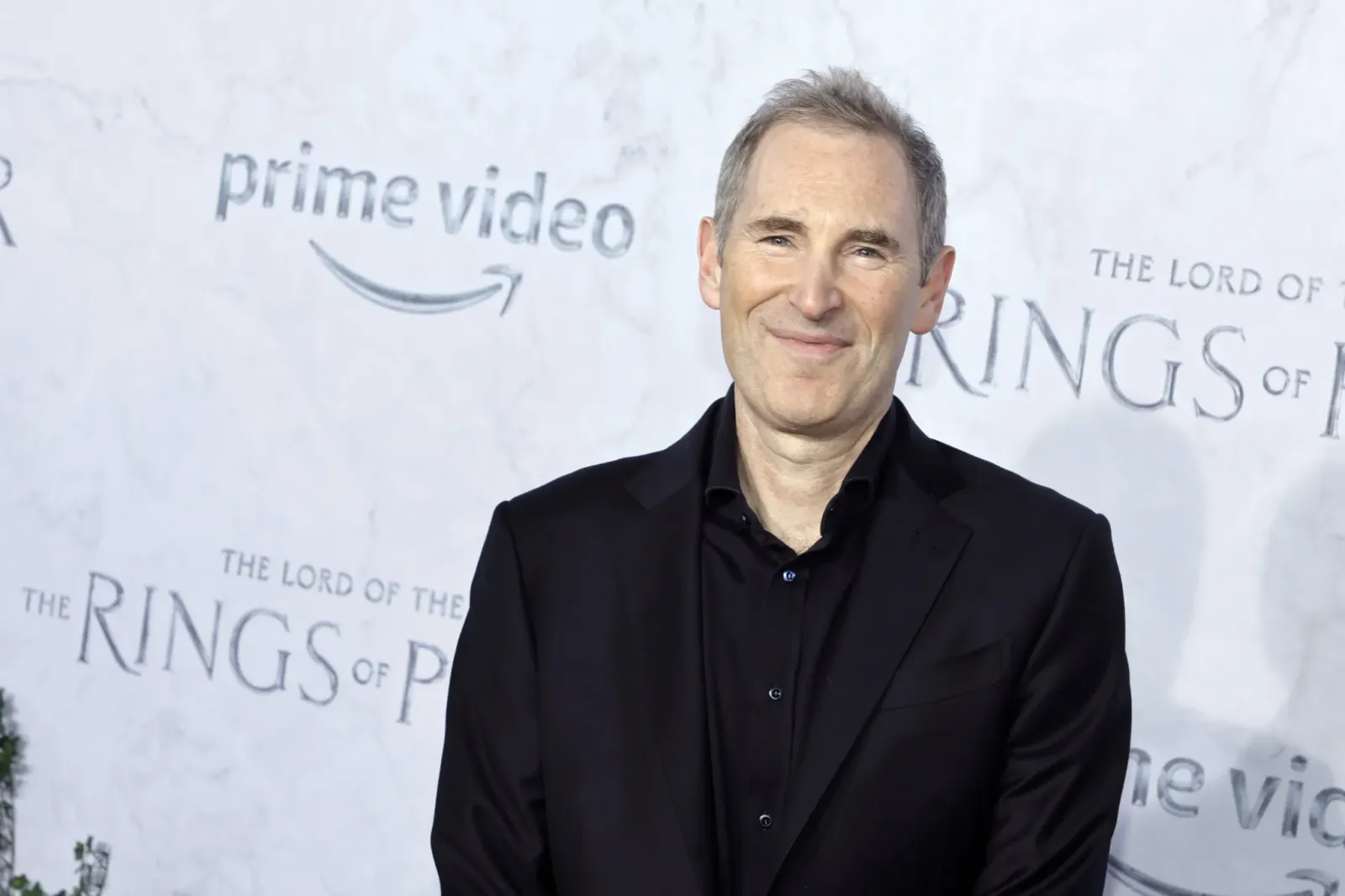
Amazon's vice president of Prime Video shopping, Michelle Rothman, announced Shop the Scene, an AI feature that lets U.S. Prime Video viewers purchase products seen on screen across 600+ titles. The move deepens Amazon's integration of commerce and streaming, pressuring rivals like Netflix and Disney to innovate their own shoppable TV strategies.
Amazon's new Shop the Scene feature, announced Thursday by Michelle Rothman, vice president of Prime Video shopping, is now live on more than 600 Prime Video titles in the U.S. The AI-powered tool lets viewers buy products they see on screen, from outfits to props, directly through the Amazon Shopping app. "We are making it easier than ever for Prime Video customers to shop what they see on screen," Rothman said in the announcement. The feature uses AI to match an actor's clothing or accessories with identical or similar items available on Amazon, though the match may not always be exact.
The move also expands the broader Shop the Show experience, which Amazon introduced last year to let users browse products related to shows like bobbleheads or LEGO sets, to more than 8,000 titles, up from 1,300 previously. Prime Video is also getting a new "shop" tab inside X-Ray, the feature that lets users identify actors or music playing in a show. Viewers can now open X-Ray with their remote, browse products associated with what they are watching, and finish the transaction on their phone. This seamless integration is designed to minimize interruption to the viewing experience, turning passive watching into an active shopping opportunity.
Amazon's latest move is part of a broader industry scramble to make streaming more profitable. Netflix, Disney, and Peacock have experimented with subscription price hikes, account-sharing crackdowns, and ad-supported tiers. Peacock introduced a Must ShopTV feature in 2023 that let users purchase content-featured products in real time, while Disney+ tested a shoppable TV feature using QR codes on certain pages. Amazon's approach, however, leverages its massive e-commerce infrastructure, giving it a unique advantage over rivals that lack a native shopping platform.
The timing is strategic. Amazon said late last year that its ad-supported Prime Video tier now reaches more than 315 million people worldwide, a big leap from the 200 million users it disclosed in 2024. This growing audience, combined with the new shoppable features, creates a powerful funnel: viewers see a product, click, and buy without leaving Amazon's ecosystem. Amazon has also invested in virtual product placement (VPP) technology, which uses machine learning to insert brands into films and TV shows after production, further blurring the line between content and commerce.
There is evidence that product placement works. A YouGov survey earlier this year found that just over half of U.S. adults consider product placement an effective form of advertising, compared to 14% who said it was ineffective. Some 4% of respondents said they took action after seeing a brand featured in content they watched; of those, 22% searched for the product online and 10% made a purchase. While the absolute numbers are small, they represent a measurable conversion path that Amazon is now automating at scale.
For executives at streaming platforms and media companies, Amazon's move signals a shift in how content can be monetized. Instead of relying solely on subscription fees or traditional ad slots, shoppable TV turns the content itself into a sales channel. This is particularly potent for Amazon, which already controls the entire transaction loop - from discovery to delivery. Rivals without a retail arm may need to partner with e-commerce players or build their own shoppable technology to compete for the same ad dollars and consumer attention.
The strategic stakes are clear: Amazon is using Prime Video not just to retain subscribers, but to feed its core retail business. The expansion to 8,000 titles suggests this is not a pilot but a core feature. For decision-makers, the question is no longer whether shoppable TV will happen, but how quickly it becomes table stakes. Companies that ignore this trend risk losing both ad revenue and customer engagement to platforms that can seamlessly connect viewing with purchasing. The next 12 months will likely see more experiments, partnerships, and acquisitions as the industry races to define the future of commerce-enabled entertainment.
This story's Key Insights and Take-aways are locked.
Create a free account to unlock Executive Actions for one credit.
Register to UnlockAlways free for Executives Club members. Join the Club
More in Business

Paramount's Ellison: Merger Clearance Done, WBD Deal by Oct 1
David Ellison says the Paramount-WBD merger has full clearance after settling with state AGs, clearing the path for an October 1 close.
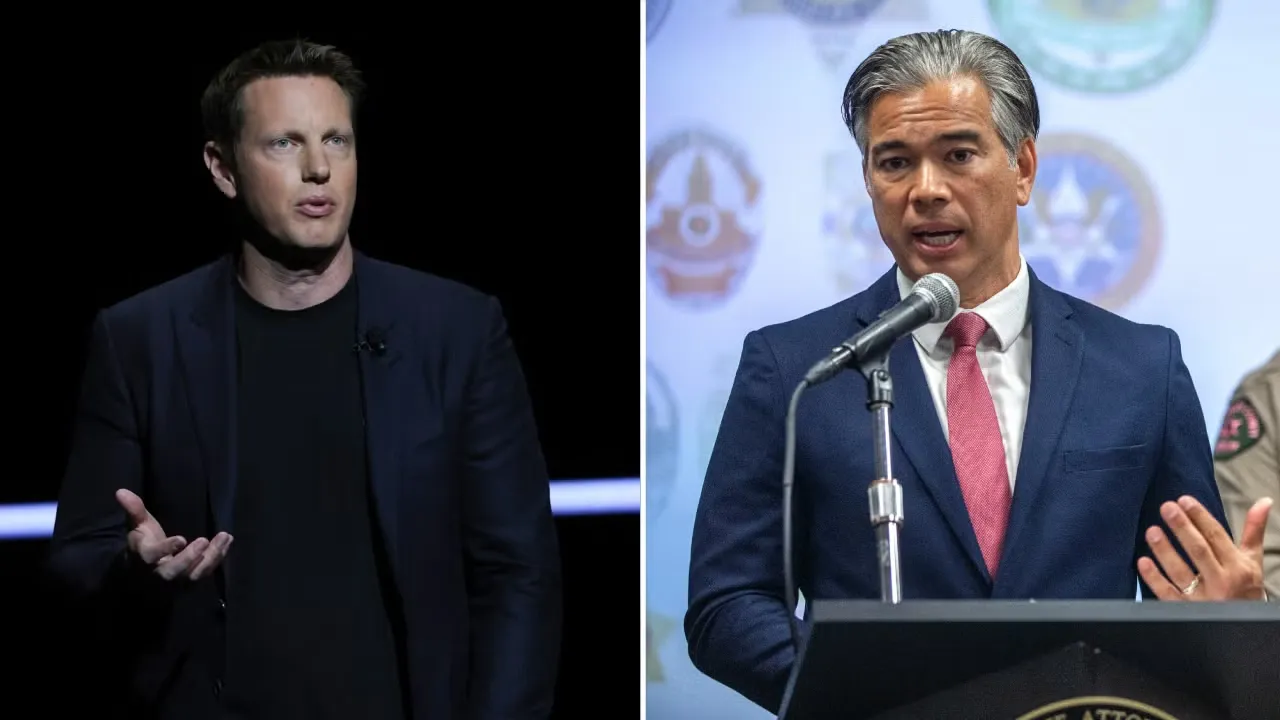
Paramount settles with 12 states, $110B Warner merger clears final hurdle
David Ellison's studio avoids a March trial and a $7M-a-day ticking fee by settling with state AGs over local job losses.
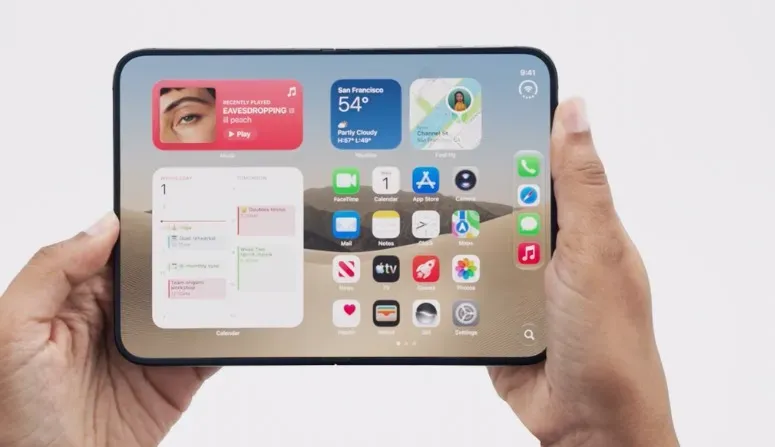
Apple unveils first foldable iPhone Duo with 7.6-inch display under new CEO Ternus
Apple's first foldable, the iPhone Duo, marks a major product bet for new CEO John Ternus, with a 7.6-inch unfolded screen.