

AMC stock jumps 14% after Q2 revenue hits $1.59B and box office rebounds
The theater chain posts its biggest quarterly revenue in 106 years, but the net loss widens.
AMC Entertainment reported second-quarter results that pushed its stock up 14%: revenue rose 14% to $1.59 billion on a box office rebound. For executives, the story is a familiar tradeoff, growing top line while net loss widens and management leans deeper into capital restructuring to fund survival.
AMC Entertainment’s shares surged 14% after it reported second-quarter revenue climbed 14% to $1.59 billion, driven by a box office rebound. That $1.59 billion quarter is the highest quarterly revenue in AMC’s 106-year history, a rare “good news” headline for a company that still has to answer to weak margins and complex balance-sheet realities.
The quarter also came with a harder line item: AMC posted a widened net loss of $11.4 million, or 2 cents per share, compared with a loss of $4.7 million a year ago. In the same period, revenue rose versus last year, but Wall Street had expected a different baseline, with analysts projecting a loss of 3 cents per share on revenue of $1.45 billion, per Yahoo Finance. So the stock move was not just about survival theater. It was about the market seeing traction in theater demand, even if profitability is still unfinished.
Zoom out to what AMC actually sold during the rebound. Domestic revenues grew 13% year over year, and the company welcomed 52.2 million patrons in the U.S., up 12% year over year. AMC also leaned hard into loyalty economics: more than 40 million households participated in its Stubs loyalty program, and over half of AMC’s total U.S. guest count during the quarter were Stubs members. For executives, that matters because box office growth flows through to ticketing, but loyalty penetration can influence repeat visits, bundle behavior, and the attach rates that often decide whether incremental demand becomes real margin.
Then there’s the broader market context, which is basically the wind at AMC’s back. The industry-wide domestic box office reached approximately $2.99 billion in the second quarter, up 10.7% year over year. It was the biggest box office quarter in seven years and the fifth biggest quarter ever. AMC’s CEO Adam Aron framed that environment as evidence of momentum in theatrical demand, pointing to a “powerful debut” of Universal Pictures and Christopher Nolan’s The Odyssey with encouraging media reported $124 million domestic opening.
AMC didn’t just celebrate the quarter. It quantified performance improvements on the earnings side too. The company posted record adjusted EBITDA of $359.7 million, an increase of 172.9%. In plain English, that suggests operations improved materially even though net income did not. The difference between adjusted EBITDA and net loss often comes down to depreciation, interest costs, and restructuring impacts, all of which are especially sensitive for capital-intensive businesses like movie theaters.
The capital strategy is the other half of this story, and Aron addressed it directly. He defended AMC’s decision to raise equity over the last six years, arguing that it kept AMC from going into bankruptcy or liquidation when other theater chains did. Aron also said issuance of stock is “a precious commodity” and “we don’t issue it lightly,” describing a careful approach to when and how much equity to raise. That defense is not marketing fluff. It ties directly to the company’s recent balance-sheet actions, which came alongside the operating rebound.
In the second quarter alone, AMC refinanced $400 million in debt to extend maturity by four years. It also raised $285 million of gross proceeds through equity offerings and eliminated or initiated eliminations of approximately $282 million in debt. Collectively, those actions reduced its principal debt balances by approximately $1.7 billion, with no expected debt maturities until 2029. The liquidity posture also improved: AMC ended the second quarter with $778.4 million in cash and cash equivalents and generated $190.1 million in free cash flow. That combination, free cash flow plus a longer runway, helps explain why the market reacted so sharply even as net loss widened.
Looking forward, Aron predicted movie theaters will enjoy their strongest yet post-pandemic year at the global and domestic box office in 2026, when factoring in “Dune: Part 3” and “Avengers Doomsday.” AMC also said it will continue to add premium large format and XLF screens, with a target of increasing total counts by 100 and 250 more auditoriums over the next two to four years. Separately, CFO Sean Goodman told analysts during the second-quarter earnings call that AMC can grow revenue per patron “without necessarily increasing price,” by opening new opportunities for premium formats and by driving revenue through movie theme content and merchandising. He linked this to broader “revenue for the patron,” which is effectively a strategy to diversify income streams beyond plain ticket sales.
For boards, investors, and operators in turnaround-heavy industries, this quarter offers a clear double lesson. Demand can rebound even when the net loss line still looks ugly, but the market will reward the operating evidence and then watch whether management converts that evidence into sustained free cash flow. AMC’s stock rally reflects confidence that a box office rebound plus record adjusted EBITDA plus targeted capital moves can buy time, and now the hard question becomes whether that time turns into a long-term earnings profile instead of another quarter of “almost free cash flow” momentum.
This story's Key Insights and Take-aways are locked.
Create a free account to unlock Executive Actions for one credit.
Register to UnlockAlways free for Executives Club members. Join the Club
More in Business

Uber buys Delivery Hero for nearly $15B, vaulting to top food delivery outside China
The deal doubles Uber's dual-services footprint and pushes a ride-and-eats bundling play into 50 more markets.

Epic and Google drop settlement bid, forcing rival Android app stores by July 22
Google told the court it is ready to carry third-party app stores starting Wednesday, July 22.
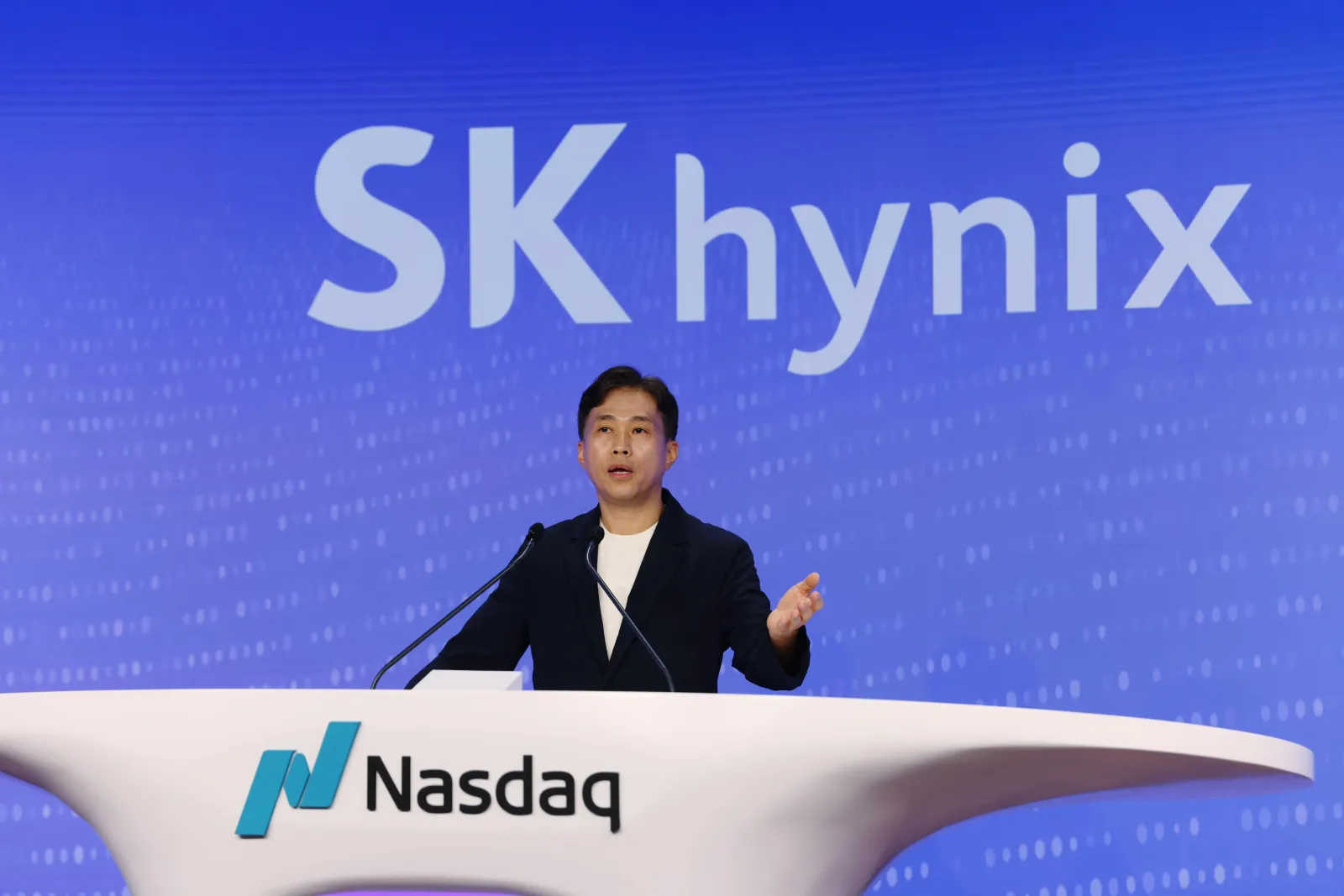
SK Hynix opens at $170, raises $26.5B, and tops foreign IPO records
In Friday's Wall Street debut, SK Hynix turns AI RAM demand into a $26.5B fundraising moment that rewrites comps.