

AMD’s Helios launches to take on Nvidia, with Microsoft joining Meta, OpenAI, Oracle
AMD’s first rack AI system adds Microsoft as a new buyer, sharpening the GPU arms race against Nvidia.
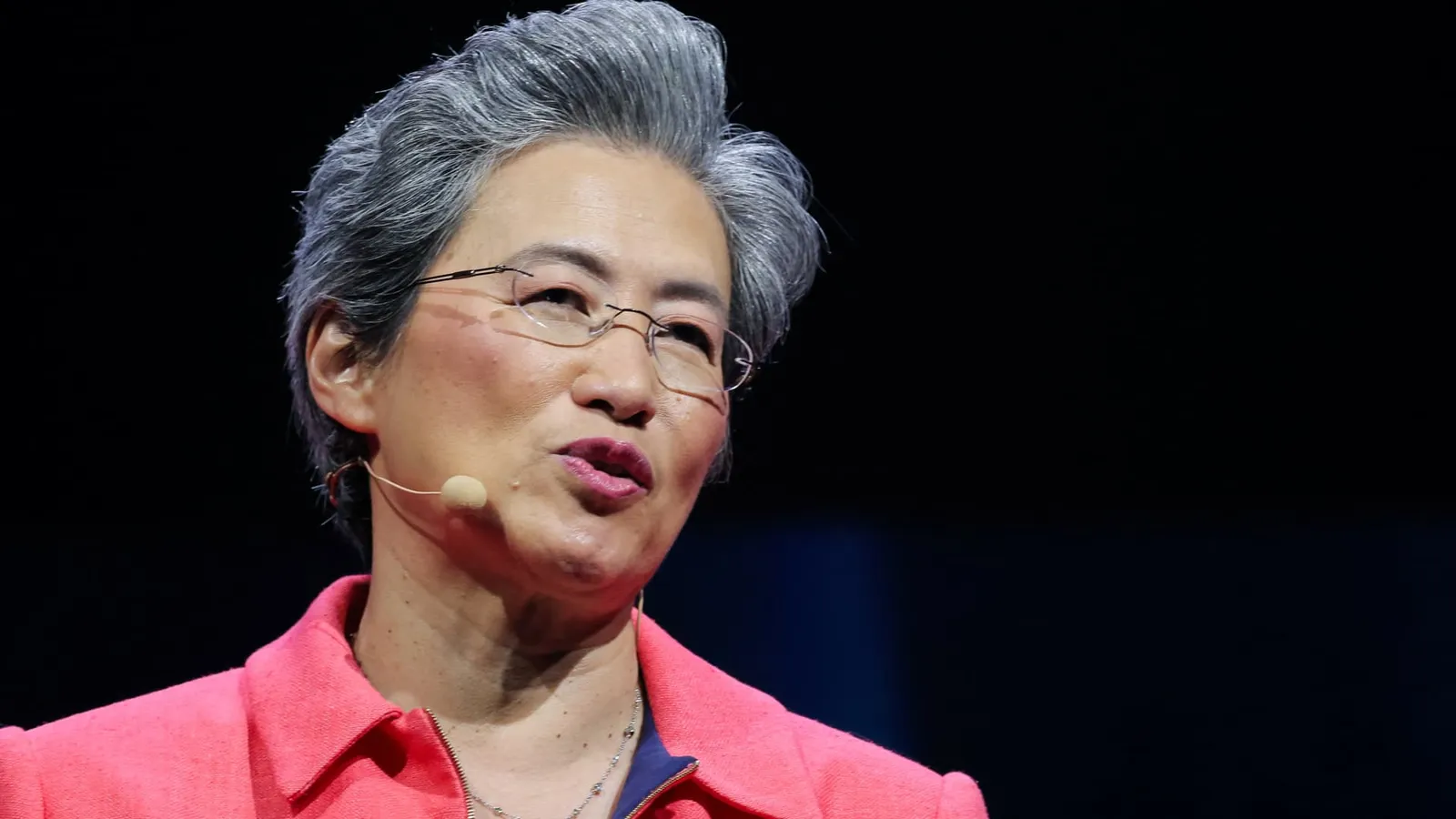
AMD launched Helios, its first rack AI system aimed at rivaling Nvidia, and added Microsoft as a new customer. The move changes the buying map for enterprise AI infrastructure, with Microsoft joining Meta, OpenAI, and Oracle.
AMD just pulled a classic data-center move: ship the full rack, not just the chip, and ask enterprise buyers to switch the stack. With the launch of Helios, its first rack AI system, AMD is explicitly aiming at Nvidia's turf. And it is not doing it in a vacuum. The company also landed Microsoft as a new customer, joining a roster that already includes Meta, OpenAI, and Oracle.
That customer list matters because it signals demand beyond a lab demo. Microsoft is not only a heavyweight cloud buyer, it is the kind of customer whose procurement choices can shift what other enterprises treat as “reasonable alternatives” to Nvidia. By adding Microsoft to Helios, AMD is effectively telling decision-makers: the system is ready, and at least some top-tier AI builders are willing to evaluate it as part of their AI infrastructure plans.
To understand why a rack-based system launch is such a punchy moment, you need to know how AI infrastructure buying typically works. Enterprises do not just buy performance in isolation. They buy reliability, deployment speed, integration, and total operating experience: power and cooling in a rack, orchestration software expectations, and the practical realities of scaling across data centers. Chips matter, but so does the way the whole compute package shows up and runs. A first rack system is a bet that buyers want a more complete, easier-to-deploy path, not a set of components that require a lot of engineering glue.
This sets up a direct competitive frame versus Nvidia. Nvidia has been the central gravity in accelerated AI compute, helped by its broad ecosystem and the inertia of existing deployments. AMD, by contrast, has often lived in a “second source” role when customers want continuity and avoid switching too many layers at once. Helios is designed to shorten that distance. Instead of asking customers to refactor entire stacks around AMD chips alone, AMD is offering a system built to fit into the same procurement and deployment rhythm that data-center operators already use.
The Microsoft piece adds another layer. Microsoft is not a random sign-on. It is a new customer, and it joins Meta, OpenAI, and Oracle in the Helios buyer lineup. That ordering tells you the likely strategy: win with large, serious AI operators who can stress-test the hardware at scale. When those operators show up as buyers, it reduces the perceived risk for other enterprises that would otherwise worry about immature deployments, integration surprises, or performance variance. In procurement terms, AMD is trying to convert “possible” into “purchased.”
There is also a board-level angle here. In a market where AI capex is a growth engine, infrastructure wins can ripple into revenue visibility and supply planning. A rack system platform also changes how buyers think about vendor partnerships. If a customer standardizes on a system approach, it can create a longer runway for future upgrades and expansions. That is not just a product story. It is a revenue model story and a supply-chain planning story, because data-center builds run on timelines that lock in what will be feasible for the next several quarters.
Regulatory scrutiny is usually less about the existence of faster systems and more about competition, concentration, and procurement fairness. While this particular announcement is product and customer focused, regulators in different jurisdictions have increasingly paid attention to technology bottlenecks and supply dependencies. When a credible alternative like a first rack system comes to market with top buyers, it can feed the broader narrative that the AI compute market has more than one serious supplier. That matters for executives managing both business outcomes and stakeholder expectations.
For Nvidia competitors, the second-order implication is uncomfortable: you can no longer compete only on raw silicon. Helios is a signal that AMD is competing on deployment reality, not just benchmark headlines. For enterprise decision-makers, the stake is straightforward. If you are building or expanding AI workloads, you want options that reduce risk and give you negotiating leverage. AMD is trying to provide that leverage by making its rack offering a tangible alternative that already has Microsoft, Meta, OpenAI, and Oracle in the conversation.
This story's Key Insights and Take-aways are locked.
Create a free account to unlock Executive Actions for one credit.
Register to UnlockAlways free for Executives Club members. Join the Club
More in Technology

Google quietly links your phone number to every Android account on your SIM
Adding a SIM now ties your phone number to all Google accounts - and future accounts inherit it. Here's the security and privacy stakes.

Hijacker AI 'Skynet mode' runs 100,000 attack steps against exposed models
Symantec caught a criminal AI agent that borrows other models, steals data, and mines crypto; the only relief is no confirmed victims yet.

Nvidia's AI-financier shift faces its first big test as neoclouds stumble
A rout in neocloud stocks is forcing investors to weigh Nvidia's hidden exposure as both supplier and lender to the AI buildout.