

AMD's one-line Linux patch reveals GDDR7 support for RDNA 5
The tiny code change lands as Nvidia ships GDDR7 on RTX 50-series, and it hints AMD's next-gen cards arrive by 2027-2028.
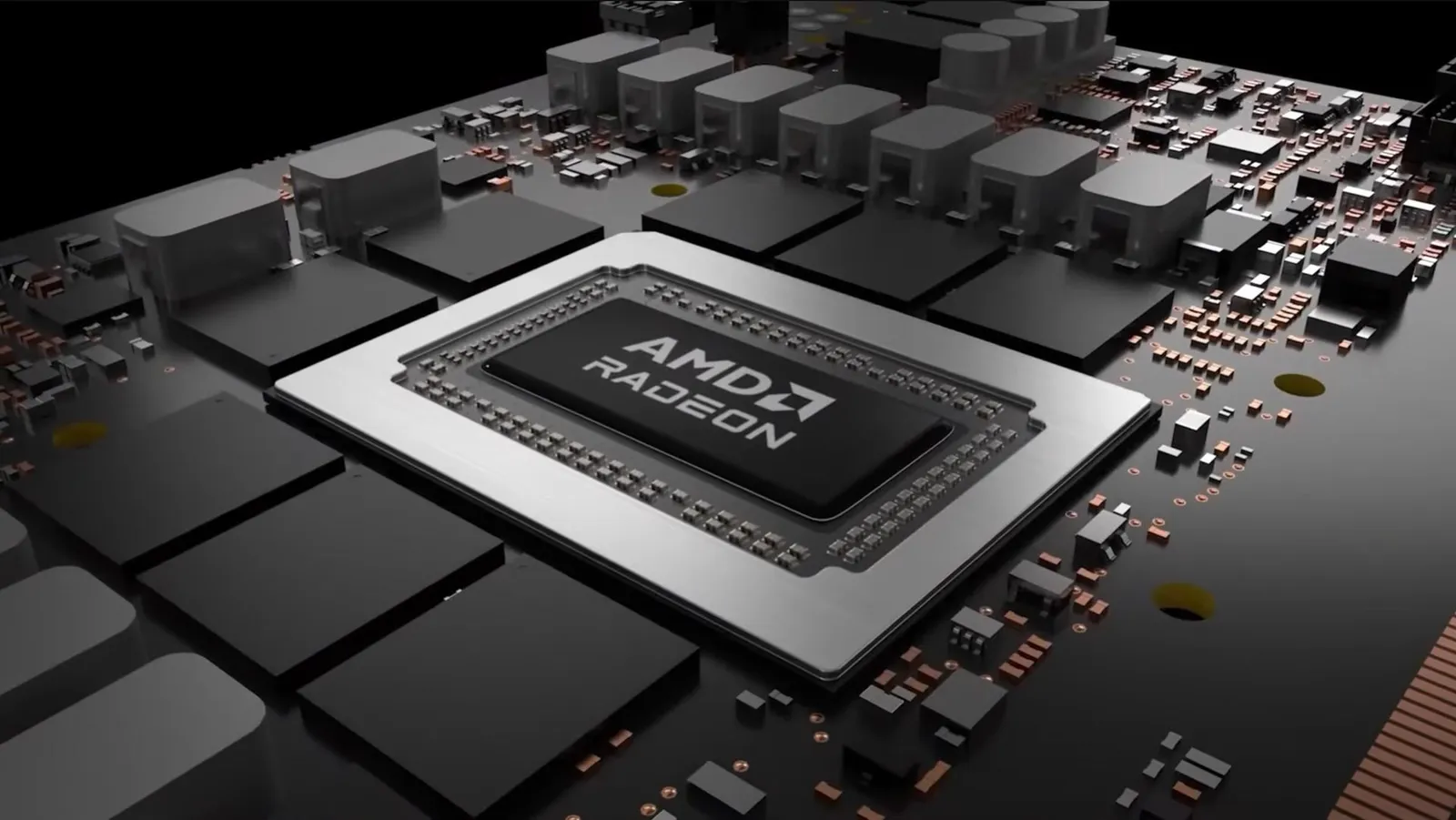
AMD has added the 'GDDR7' identifier to its open-source AMDGPU Linux driver, the first indication its next-generation RDNA 5 GPUs will support the new memory standard. The move puts AMD on track to catch Nvidia's memory lead, with RDNA 5 expected around the end of 2027 or 2028, though the ongoing memory crisis could still delay the timeline.
AMD just tipped its hand on next-gen memory. The company's latest open-source Linux driver patch includes a single added identifier: 'GDDR7.' It's one line in a pile of code for the AMDGPU driver, but it's the clearest signal yet that AMD's next-generation RDNA 5 GPUs will adopt the same memory standard Nvidia is already shipping on its RTX 50-series. The patch was spotted by Phoronix, a long-time tracker of Linux kernel and driver development, and it gives the PC community its first concrete look at where AMD's graphics roadmap is heading. For anyone following silicon, it's a small commit with outsize meaning.
That meaning is simple: AMD is closing a memory gap. The current Radeon 9000 series still runs on GDDR6, which has been the gaming GPU standard for years. Nvidia has already moved its RTX 50-series to GDDR7, and the difference shows up in higher bandwidth and efficiency. This one-line addition doesn't just hint at a memory upgrade; it aligns with a broader pattern of code commits. AMD also added support for Display Core Next 6, an unreleased display architecture, back in July. Together, these small patches suggest a full next-generation platform is being assembled behind closed doors, even as the public launch remains far off.
Timing is the next question, and the answer is still fuzzy. PC Gamer expects RDNA 5 around the end of 2027, with the possibility of slipping into 2028. Current rumours put just a couple of cards about a year from now, and a wider lineup would follow afterwards. That cadence dovetails with the expected launch of next-gen consoles, which are set to use a semi-custom version of the same Radeon architecture. AMD CEO Lisa Su said in February, in no uncertain terms, that the SoC for the next-gen Xbox was 'progressing well to support a launch in 2027.' So the silicon work is clearly underway, even if consumers are looking at a long wait.
The bigger wildcard is the memory market. This GDDR7 transition is happening amid what the article calls an ongoing memory crisis, with prices and supply under pressure across DRAM and HBM. Not everyone sees it as dire: Acer's CEO has publicly said it's not as bad as everyone thinks, though PC Gamer's analysis is openly skeptical of that take. Either way, the move to GDDR7 adds a new variable to already complicated supply chains. Memory shortages have historically delayed GPU launches, and they could still scupper AMD's plans here, even with the driver work moving forward. If the crisis deepens, the 2027-2028 window could stretch.
The competitive picture is equally fluid. Nvidia reportedly won't have much to show until 2028, either, according to the same rumour mill. That suggests a long stretch where both GPU giants are relatively quiet, with the RTX 50-series and Radeon 9000 series carrying the load. In that vacuum, a single Linux driver line becomes meaningful intelligence for anyone tracking silicon roadmaps. For investors and operators, it's a reminder that open-source development is a transparency engine: AMD's driver is public, so competitors, partners, and analysts can track feature integration in real time.
For executives and product leaders, the practical lesson is about reading the small tells. The 'GDDR7' identifier tells board designers, memory makers, and system integrators to start validating for the new standard. GDDR7 is the next-generation memory spec, typically offering higher bandwidth and improved efficiency over GDDR6, and it will be a baseline for high-end gaming cards and AI-adjacent workloads. The patch also gives developers a heads-up that RDNA 5 is coming, and when it does, it should arrive with the bandwidth to challenge Nvidia's current generation. For supply chain teams, it's a signal to line up memory allocations early.
The strategic stakes are clear. For AMD, adopting GDDR7 keeps its Radeon line competitive and aligns its PC GPUs with next-gen console SoCs, creating economies of scale across both businesses. For Nvidia, it means its memory lead is likely short-lived. For the broader ecosystem, the transition to GDDR7 will define the next upgrade cycle, and the companies that prepare early, from memory suppliers to board partners, will capture the upside. The memory crisis remains the one force that could delay the timeline, but AMD's patch suggests it is moving forward anyway. That's the kind of signal that matters when you're planning product roadmaps, capital budgets, and inventory positions.
This story's Key Insights and Take-aways are locked.
Create a free account to unlock Executive Actions for one credit.
Register to UnlockAlways free for Executives Club members. Join the Club
More in Technology

OpenAI poaches Patreon co-founder Sam Yam and two execs for creator push
OpenAI lands three Patreon veterans to build creator tools, signaling a major bet on the creator economy ahead of a big announcement.

China's AI ambitions rise from Inner Mongolia's remote data centre boom
A rare look at the dozens of data centres rising in Inner Mongolia: what Beijing's compute buildout means for the global AI race.

Meta's Muse AI has a 0-day that hands over total control
A simple ClickFix attack can fully hijack Meta's new AI assistant, despite Zuckerberg's privacy and security hype.