

Royal Caribbean just spent $3B to own half of Sandals
The cruise giant is buying a 50% stake in the all-inclusive resort chain for $3 billion, a bet that land-based vacations are the next growth engine.
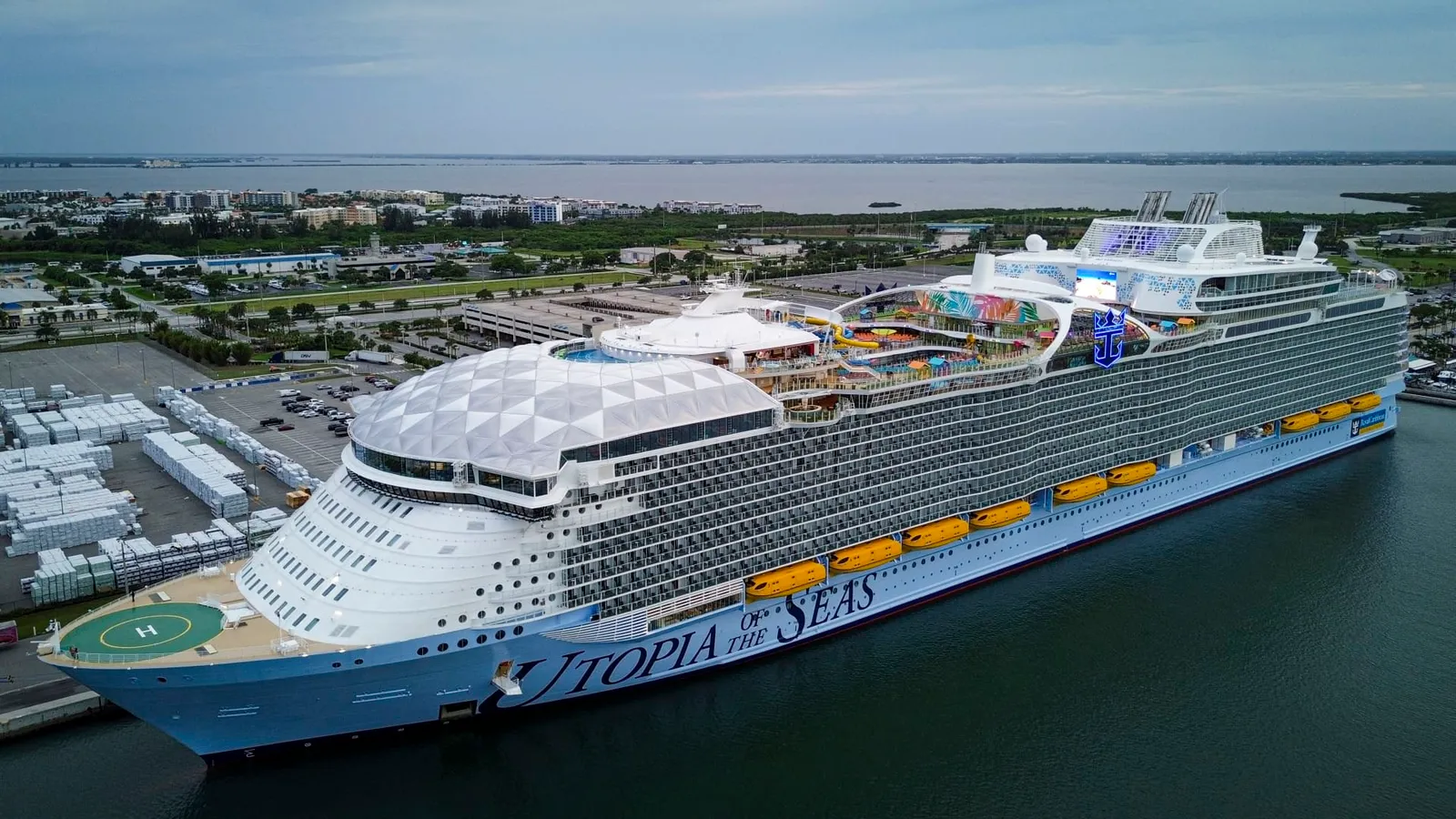
Royal Caribbean agreed to take a 50% equity stake in Sandals Resorts for $3 billion, according to a CNBC report. The deal gives the cruise operator a major foothold in the all-inclusive resort market and signals a strategic shift toward diversifying beyond cruises.
Royal Caribbean has agreed to pay $3 billion for a 50% equity stake in Sandals Resorts, according to a CNBC report. The transaction implies a $6 billion valuation for the all-inclusive resort chain and marks the cruise operator's most aggressive move yet in its stated effort to diversify beyond cruises and become a leader in vacations overall.
The deal brings together two heavyweights of the Caribbean travel market. Royal Caribbean is one of the world's largest cruise companies, with a fleet of ships that carry millions of passengers a year. Sandals operates a portfolio of all-inclusive resorts across Jamaica, the Bahamas, Saint Lucia, and other island destinations, known for its couples-focused, premium pricing model. A 50% stake gives Royal Caribbean a direct ownership position in land-based hospitality, a business that operates on different economics and customer dynamics than a cruise ship.
For Royal Caribbean, the rationale is straightforward. Cruise lines have historically been capital-intensive, with revenue tied to ship capacity, itinerary planning, and fuel costs. Resorts, by contrast, offer a more predictable stream of revenue from room bookings, dining, and activities, and they appeal to travelers who may not want to spend a week at sea. By taking a half-stake rather than buying Sandals outright, Royal Caribbean limits its financial exposure while gaining strategic influence over the brand's growth, marketing, and distribution.
The $3 billion price tag is a meaningful allocation of capital for a company that has been spending heavily on new ships and private destinations. Royal Caribbean has invested in projects like Perfect Day at CocoCay, its private island in the Bahamas, and continues to expand its fleet with new vessels. Adding a resort stake to that portfolio suggests management sees land-based vacations as a complementary revenue stream, not just a hedge. It also gives the company a way to capture more of a customer's total vacation spend, from the flight to the hotel to the excursion, and it diversifies revenue away from the cyclicality of cruise bookings.
The competitive context matters. The vacation market is crowded, with hotel groups like Marriott and Hilton, all-inclusive operators like Hyatt's AMR Collection, and online travel agencies all fighting for the same traveler. Sandals has a strong brand and a loyal customer base, but it faces pressure from newer entrants and from cruise lines that are adding more land-based experiences. Royal Caribbean's marketing engine and global distribution could help Sandals reach a broader audience, particularly cruise passengers who want to extend a trip or try a resort for their next vacation. The partnership also creates cross-selling opportunities: a family that books a Royal Caribbean cruise could be offered a Sandals stay for their next holiday, and vice versa.
There are also risks. A transaction of this size will likely draw scrutiny from antitrust regulators, particularly in the Caribbean and the United States, where travel and hospitality markets are closely monitored. The 50-50 ownership structure, while collaborative, can create governance challenges if the two companies disagree on strategy, capital spending, or brand positioning. Royal Caribbean will need to work with Sandals' existing management team to preserve the brand's identity while integrating it into a larger vacation ecosystem. Execution risk is real, because running resorts is a different operational discipline than running ships, and the two businesses have different seasonality, staffing models, and customer service expectations.
For executives and boards across travel, hospitality, and consumer leisure, this deal is a signal that the lines between cruise, resort, and experience are blurring. Owning the customer across multiple formats is becoming the endgame, and consolidation is likely to follow. Rivals like Carnival Corporation and Norwegian Cruise Line will be watching closely, as will private equity firms that have invested in resort brands. The question now is whether Royal Caribbean can make the math work and whether the deal marks the beginning of a broader wave of cross-segment travel M&A.
This story's Key Insights and Take-aways are locked.
Create a free account to unlock Executive Actions for one credit.
Register to UnlockAlways free for Executives Club members. Join the Club
More in Business

Paramount's Ellison: Merger Clearance Done, WBD Deal by Oct 1
David Ellison says the Paramount-WBD merger has full clearance after settling with state AGs, clearing the path for an October 1 close.

Paramount settles with 12 states, $110B Warner merger clears final hurdle
David Ellison's studio avoids a March trial and a $7M-a-day ticking fee by settling with state AGs over local job losses.

Apple unveils first foldable iPhone Duo with 7.6-inch display under new CEO Ternus
Apple's first foldable, the iPhone Duo, marks a major product bet for new CEO John Ternus, with a 7.6-inch unfolded screen.