
Amex and Chase push credit-card lounge perks past airports into sports and festivals
The luxury lounge wars are moving outdoors, and premium cardholders are getting exclusive access the rest can't buy.
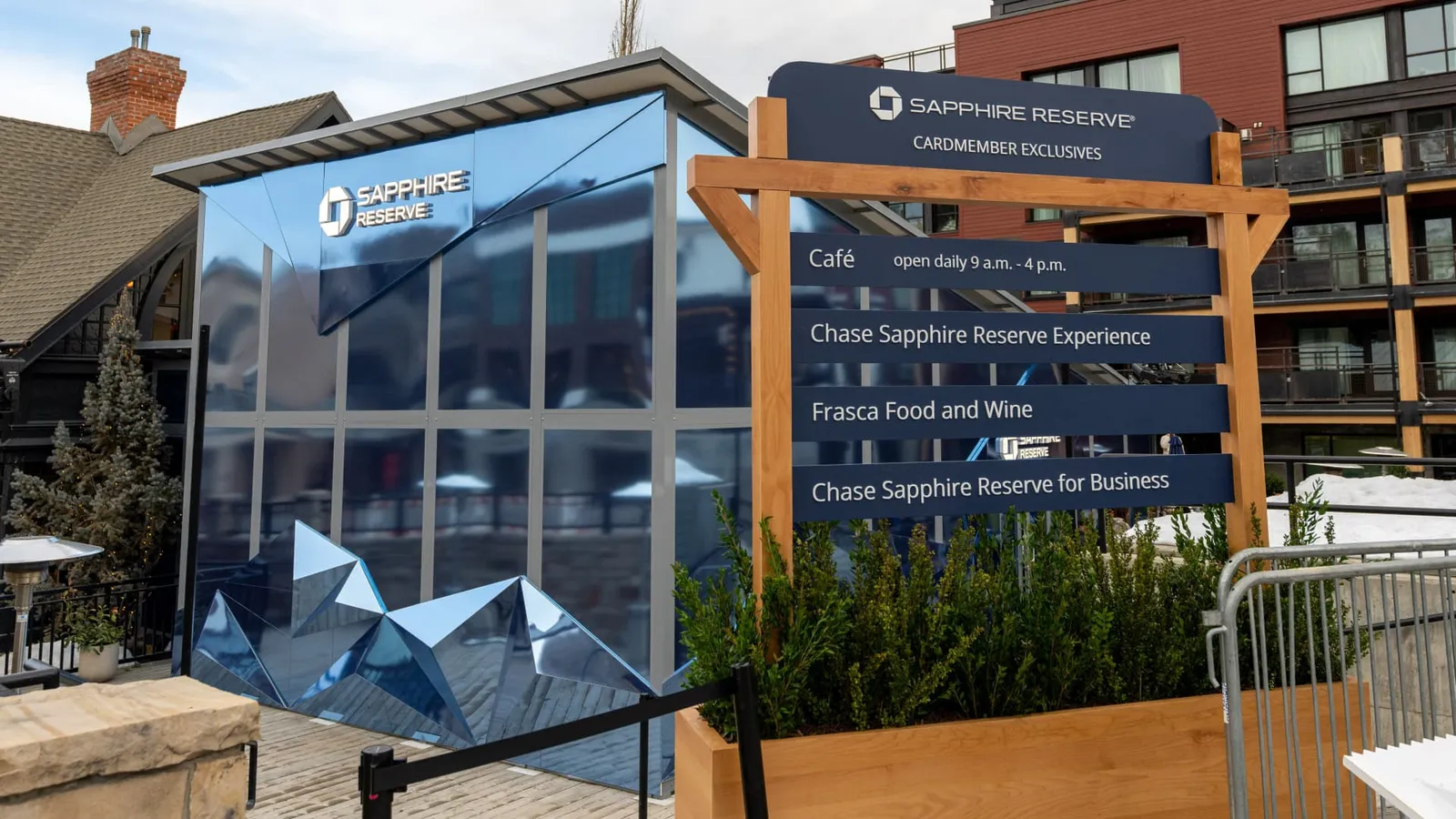
American Express and Chase are expanding lounge access and perks beyond airports and into festivals and sporting events, often with exclusivity for premium cardholders. The shift changes how card issuers compete for high-spend customers and how platforms and venues structure partnerships.
Credit card companies are moving the luxury lounge playbook off the runway and into the places people actually line up: festivals and sporting events. American Express and Chase are part of a broader push where card issuers increasingly offer access to lounges and other perks at major events, and the access is often restricted to premium cardholders.
That matters because it is not just “more perks.” It is a re-packaging of value. If premium cardholders can walk into an event with a better experience, the issuer is effectively tying the card to lifestyle and status, not only travel. In other words: the lounge war is leaving the airport behind and going where attention is highest.
To understand why this move is happening now, you have to look at how credit cards make money and how customer behavior has changed. For card issuers, the most valuable customers are the ones who spend consistently, carry balances when the economics work, and are sticky because the card feels like a platform of benefits. Traditional travel lounges and airport benefits have been a long-running differentiator. But the industry is also fighting for “share of wallet” in everyday categories, and experiences are a powerful way to do that.
Events are especially attractive because they create a tight, high-intensity moment where perceived value is obvious. A lounge at an airport is valuable, but it can feel transactional. A lounge or perk at a festival or stadium is a statement: access equals belonging. And when the benefit is exclusive to premium cardholders, it becomes a scarcity engine. That is a big reason the source notes these perks are “often exclusively for premium cardholders.” The issuer is not merely improving convenience, it is selling an elevated experience that non-premium customers cannot replicate.
This is also where the competitive dynamics get interesting for executives. Amex and Chase are not operating in isolation. The source frames the trend as “increasingly,” which implies multiple issuers are making similar moves. When competitors chase the same customer segment with comparable perks, the market can quickly turn into a bidding war for exclusivity and better inventory. Venues and event organizers have leverage because they can choose partners that bring either incremental customers, incremental spend, or media attention.
At the same time, partnerships come with reputational and operational risks. Lounges, access rules, and event staffing have to work in real time, not just in marketing copy. If benefits are hard to redeem, or if capacity is limited and customers show up expecting the VIP treatment, the backlash is immediate. Premium cardholders are the exact group issuers want to protect, since they are often the most profitable and most vocal. So boards and leadership teams have to treat these event perks as an execution challenge, not only a branding exercise.
There is also a subtle regulatory and compliance angle, even if today’s headline is about lounges. Credit cards are heavily regulated products, and changes to benefits can trigger scrutiny around advertising, eligibility, and fair dealing. Issuers need to be clear about who gets what, under what conditions, and how exceptions are handled. The source’s emphasis on “exclusive access” makes this especially important. Exclusivity can be a feature, but if it is marketed vaguely or applied inconsistently, it becomes a liability.
Second-order, this trend reshapes how card issuers design the premium tier. Instead of competing only on travel perks, they can build “experience bundles” that span different customer moments. That makes the card a membership, not just a payment tool. It also puts pressure on consumer fintechs and rewards platforms that compete on cashback or point value but cannot easily match the offline feel of a lounge.
For investors and operators evaluating similar strategies, the strategic stakes are straightforward: who wins the premium customer is not only about unit economics, it is about the emotional reason to keep the card. When American Express and Chase move lounge wars beyond the airport into festivals and sporting events, they are betting that access is the new currency. And if that bet works, the payoff is a stronger retention engine and a tighter grip on high-spend behavior. If it fails, the cost is both financial and brand trust. Either way, the market is telling card companies to show up where people are already paying attention.
This story's Key Insights and Take-aways are locked.
Create a free account to unlock Executive Actions for one credit.
Register to UnlockAlways free for Executives Club members. Join the Club
More in Business
Comcast shares jump 25% as it plans to split NBCUniversal and Sky
The tax-free spin-off could reshape focus, funding, and competition across media and tech for years.

Bungie cuts most Destiny 2 staff as Sony says Marathon still matters
Herman Hulst confirms layoffs affecting most Destiny and some Marathon teams after Bungie admits Destiny fell short.

SK Hynix jumps 11% after seeking up to $29.4B in Nasdaq listing
The chip giant filed for a Nasdaq listing plan that could raise $29.4 billion, instantly reshaping investor expectations.