

Anduril’s CEO warns: IPOs in hype cycles turn valuations into traps
After Anduril’s $61B valuation, its CEO argues timing matters more than momentum for private-to-public exits.

Anduril CEO addressed IPO timing, saying it is “bad to IPO in the ‘middle of a hype cycle.’” The comment lands as Anduril reaches a $61 billion valuation and joins the most highly valued private tech companies.
Anduril is sitting at a $61 billion valuation, making it one of the most highly valued private tech companies. And now its CEO is making a pretty pointed argument about what that number can tempt companies to do: rush toward an IPO while the market is still intoxicated.
CNBC reports that Anduril CEO said it is bad to IPO in the “middle of a hype cycle.” The stake here is simple. In the middle of hype, pricing can get detached from fundamentals. The exit can look like a win on the day shares go public, but if the hype cools fast, the valuation can become harder to defend, easier to punish, and more expensive to “fix” with future performance. That is not a theoretical risk. It is exactly the kind of dynamic public markets are built to sniff out, especially when sentiment shifts.
To understand why the CEO’s comment matters, you have to zoom out to how private tech valuations work right before an IPO. When a company is “hot,” everyone tries to buy the story, not just the product. That can lift market expectations faster than the company’s operating metrics. When the company eventually lists, public investors bring a different mindset: they want proof, not just promise, and they have a broader base to manage expectations against. If the IPO happens before the company has time to translate buzz into measurable, repeatable traction, the market can reprice quickly. The CEO is essentially warning against selling the hype instead of building the case.
Anduril’s $61 billion valuation is a real milestone, but it also raises the pressure. Once you are already valued like a winner, stakeholders start asking why you are not crystallizing that value. Founders think about liquidity and control. Employees and early investors think about rewards. Boards think about stability and strategic options, including using public markets as a capital-raising engine for expansion. Even if everyone likes the business, the incentives can push toward the same move: go public while the valuation is high.
That is where “hype cycle timing” becomes a governance issue, not just a market-timing talking point. Boards generally want the IPO window that maximizes proceeds and minimizes the odds of a disappointing aftermarket. But hype cycles can make that harder. Financial media coverage tends to spike, investor interest concentrates, and valuation comps can become less informative. In that environment, the IPO can be treated like a finish line rather than a new starting line with quarterly scrutiny and an expectation to deliver on a schedule.
Regulatory and disclosure requirements also change the game right at the transition. Once a company IPOs, it is operating under more rigorous reporting, risk disclosure, and public transparency. That usually means the company must be ready to explain performance with precision. If the company’s narrative is still mostly momentum, that can create friction with investors who need durable fundamentals to justify the public-market price.
There is also a second-order implication for other highly valued private tech companies watching Anduril. If investors believe that IPOs in the “middle of a hype cycle” can lead to valuation volatility, they may demand proof sooner, price more cautiously, or insist on structures that reduce downside. That can change how boards negotiate roadmaps. It can affect how management teams prioritize metrics that translate well to public markets, like revenue quality, margins, customer concentration, and retention. In other words, the CEO’s warning can ripple backward into planning before the IPO pitch even begins.
And for decision-makers considering similar exits, the real question becomes: are you IPO-ready in terms of product and economics, or just headline-ready? Anduril’s CEO is putting a flag on the latter. With a $61 billion valuation putting it in the rarefied tier of private tech leaders, the temptation is to treat the current spotlight as permanent. The warning suggests the opposite: hype is cyclical, markets reprice, and the best time to go public is when the story can survive after the spotlight moves on.
This story's Key Insights and Take-aways are locked.
Create a free account to unlock Executive Actions for one credit.
Register to UnlockAlways free for Executives Club members. Join the Club
More in Business

AstraZeneca $27B wipeout as Wainua late trial misses cardiovascular target
A failed late-stage heart study triggered a swift market punishment, forcing investors and boards to reset timelines and risk.
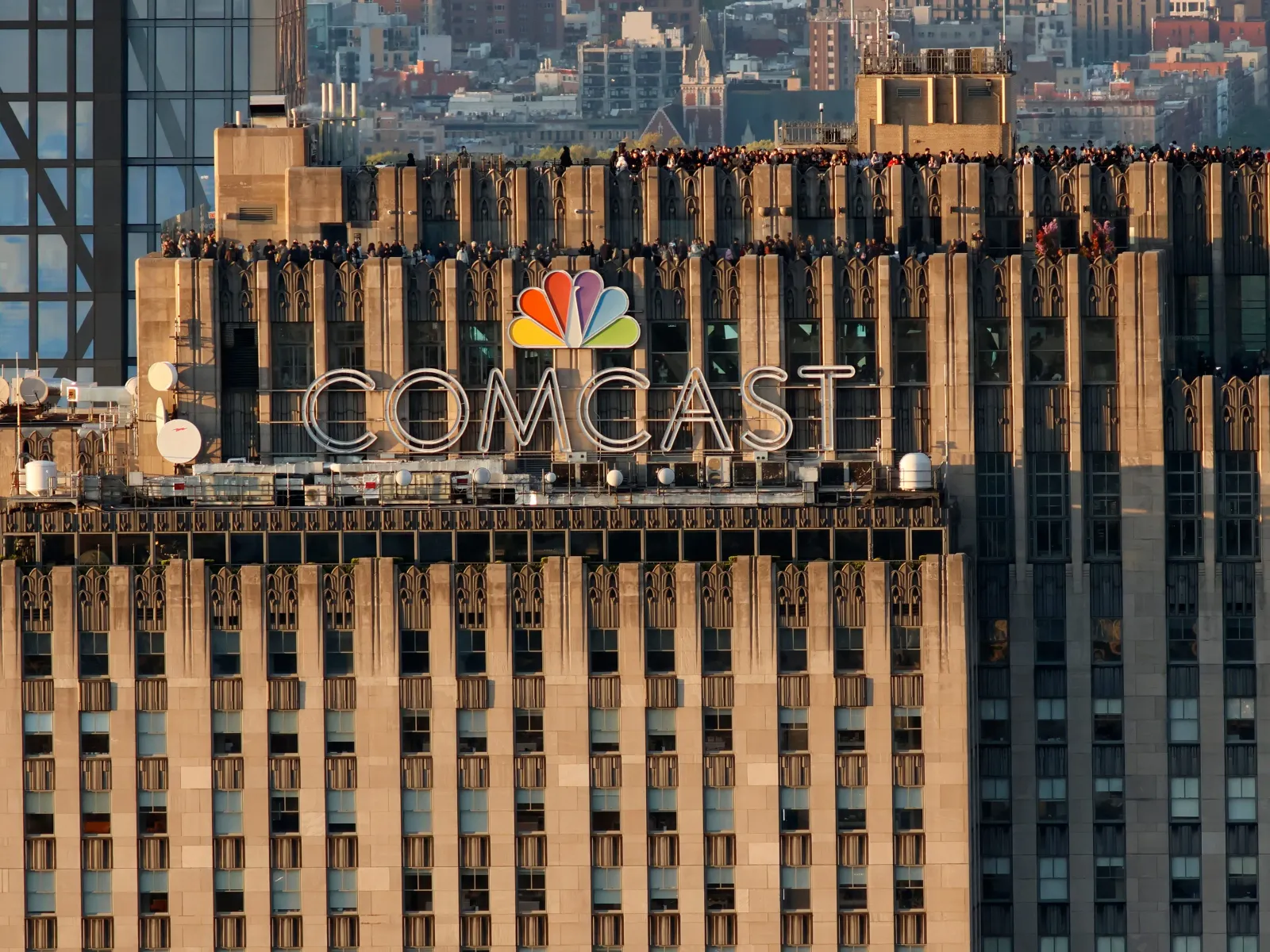
Comcast shares jump 25% as it plans to split NBCUniversal and Sky
The tax-free spin-off could reshape focus, funding, and competition across media and tech for years.

Bungie cuts most Destiny 2 staff as Sony says Marathon still matters
Herman Hulst confirms layoffs affecting most Destiny and some Marathon teams after Bungie admits Destiny fell short.