
Andy Burnham blind-ranks Oasis No. 1, then explains why The Smiths slipped
The Labour MP’s five-band ranking signals how music politics and policy collide ahead of his likely PM run.
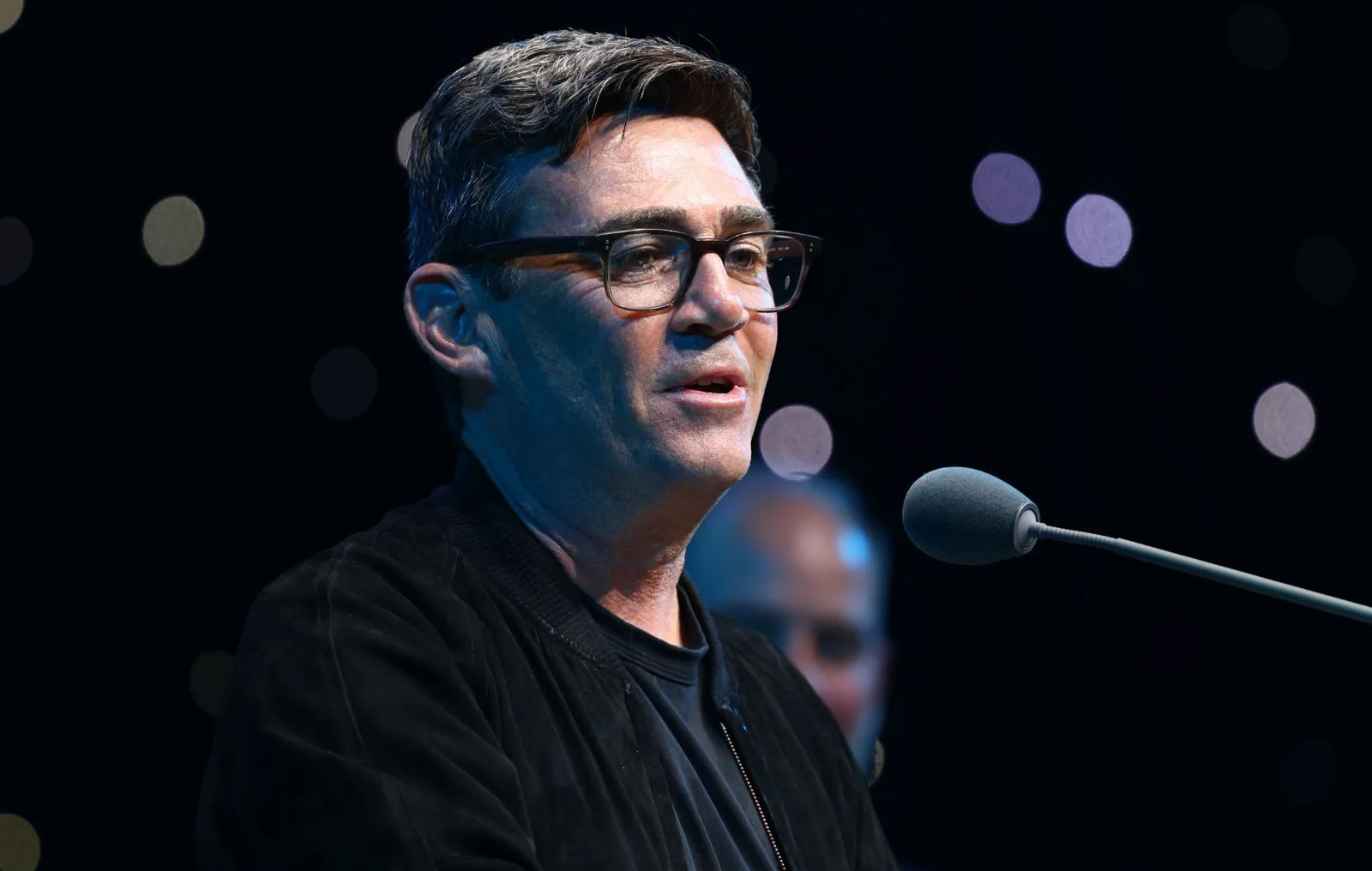
Andy Burnham, the Labour MP for Makerfield and former Greater Manchester Mayor, blind-ranked five favourite British bands in a new interview. For executives watching culture policy and creative-industry politics, his remarks connect grassroots venue funding and Brexit touring friction to bigger Westminster debates.
Andy Burnham blind-ranked his favourite British bands, putting Oasis at Number One, Elbow at Number Two, and then Courteeners at Number Three. But the political headline here is the part he admitted out loud: The Smiths ended up lower than they likely should have been because he did not know which bands would be named first in the blind format.
Burnham, now on course to succeed Keir Starmer as Labour leader and Prime Minister after Starmer confirmed he would stand down, used the ranking to preview something he has been consistent about for years: music is not a side quest. In the same interview, he explained why Wolf Alice landed at Number Four. “I like them a lot,” he said about the band, adding that he wanted to “play it safe” because he did not know what bands would be named next, and he “probably like some things coming a bit more”. That is the setup. The ranking is the entertainment. The subtext is the policy mindset.
Because this is not just “MP likes bands.” Burnham’s relationship with music, particularly Manchester’s scene, has been loud and documented. He previously got permission from Oasis to use their hit song “Some Might Say” in a recent by-election campaign video, linking a mainstream Britpop brand directly to political messaging. And years earlier, during his Greater Manchester mayoral election victory speech, he quoted “Not Nineteen Forever” and told the crowd: “God bless the band. If you know, you know…” That quote only matters because it points to pattern. Burnham is investing cultural capital in a way that matches the policy territory he keeps returning to.
On the political timeline, the stakes are immediate. After Starmer confirmed his decision to stand down, Burnham secured the backing of 322 Labour MPs, making it very likely he will be sworn in as Prime Minister on July 20. In other words, the same figure who can turn band fandom into political visibility is also positioned to influence national decisions that affect the creative industries. That is why his music talk matters to leaders in music companies, venue operators, labels, and even tech and gaming partners who depend on creative ecosystems.
Burnham’s ranking also ties into the current UK conversation around funding and leverage for grassroots culture. Later this year, he will be joining Steve Coogan to participate in Manchester’s Beyond The Music 2026, an event designed to “raise, discuss and solve some of the biggest problems facing the creative industries.” The program is set to include major voices in music, tech, film, gaming and content, as well as various political figures. At the 2026 edition, which runs between October 6 and 9, Burnham will convene the ‘All Content Global AI Summit’. So even when the story seems to be about band rankings, the bigger organizing theme is still governance: who sets the agenda for the creative industries, and what gets treated as urgent.
That agenda-setting includes money and regulation. Burnham said he “wholeheartedly support[s]” Coldplay’s ticket levy approach, where the band announced it would donate 10 per cent of their profits from their 2025 UK stadium shows to save grassroots. He also responded to later recommendations from MPs to add a £1 levy on arena and stadium gigs, saying: “I wholeheartedly support it.” The logic he gave is a direct bridge between celebrity-scale action and infrastructure scale need: he made a call the year before that the industry needs to “do more to give back” to support its own grassroots venues, rehearsal spaces and talent development systems. That is a board-level issue in disguise. If premium acts can redirect profit toward venue survival, policymakers may find it easier to frame levies as a market-support tool rather than a cultural tax.
Zoom out further and you get the Brexit-through-the-supply-chain problem Burnham has been emphasizing. In a 2023 interview about Beyond the Music’s inaugural conference, Burnham argued that it is “just wrong” that young musicians’ careers continue to suffer because Brexit has impacted touring. He said touring in Europe is “much more complicated than it used to be” and that it runs counter to music’s “spontaneity.” He added that some people cannot tour because it is “just too complex,” and he cited cancelled and missed shows because of hold ups at borders. He also echoed findings in a report showing almost 50 per cent of UK musicians were working less in Europe since Brexit. That matters to executives because touring is not only about album promotion. It is revenue, exposure, and a pipeline for emerging artists. When touring becomes harder, the whole funnel gets thinner.
And Burnham is not talking in isolation. Last week, Courteeners backed him in his Labour leadership bid, with the band saying he thinks he has done “a fantastic job in Manchester”. Burnham has also talked with NME in 2024 about the festival, highlighting a dire need to support grassroots music venues and new artists across the UK. Taken together, the blind-ranked bands, the levy support, and the Brexit touring critique are all the same kind of signal: cultural policy is going to be treated as part of the national economic conversation, not as a vibes-only appendix.
So what should decision-makers take from a five-band ranking that ends up explaining why The Smiths slipped? That Burnham’s political positioning is increasingly intertwined with creative-industry strategy: grassroots venue survival, ticket levy frameworks, and cross-border touring constraints. For executives building partnerships, budgeting for live-event risk, or advising boards on policy sensitivity, the message is clear. The person who can influence “which band goes where” is also arguing, in plain terms, that the creative economy needs operational support. And if he becomes Prime Minister, the agenda he keeps returning to could shape how quickly those supports move from stage-side campaigning to Westminster-grade action.
This story's Key Insights and Take-aways are locked.
Create a free account to unlock Executive Actions for one credit.
Register to UnlockAlways free for Executives Club members. Join the Club
More in Entertainment

12TB Steam 'teraleak' goes beyond Valve: GTA 3, Mafia 2 prototypes exposed
A 12-terabyte dump of Steam data reveals prototypes and builds of third-party classics like GTA 3 and Mafia 2, plus unreleased Valve content, rewriting game history.

LinkedIn's romance problem: 1 in 4 workers say dating on it is fair game
A new survey shows a quarter of U.S. employees treat the professional network as fair game for romance, even as LinkedIn bans it and removes hundreds of thousands of offending posts.

Enhypen's first No. 1 album breaks K-pop's Billboard 200 streak
The K-pop group's 98,000-unit debut tops the chart while Dolly Parton's catalog reentry shows how death reshapes streaming.