
Andy Burnham promises to end Labour infighting as he prepares to become PM Monday
The incoming PM pledges a united Labour government, but anxiety on the left centers on Shabana Mahmood as chancellor.
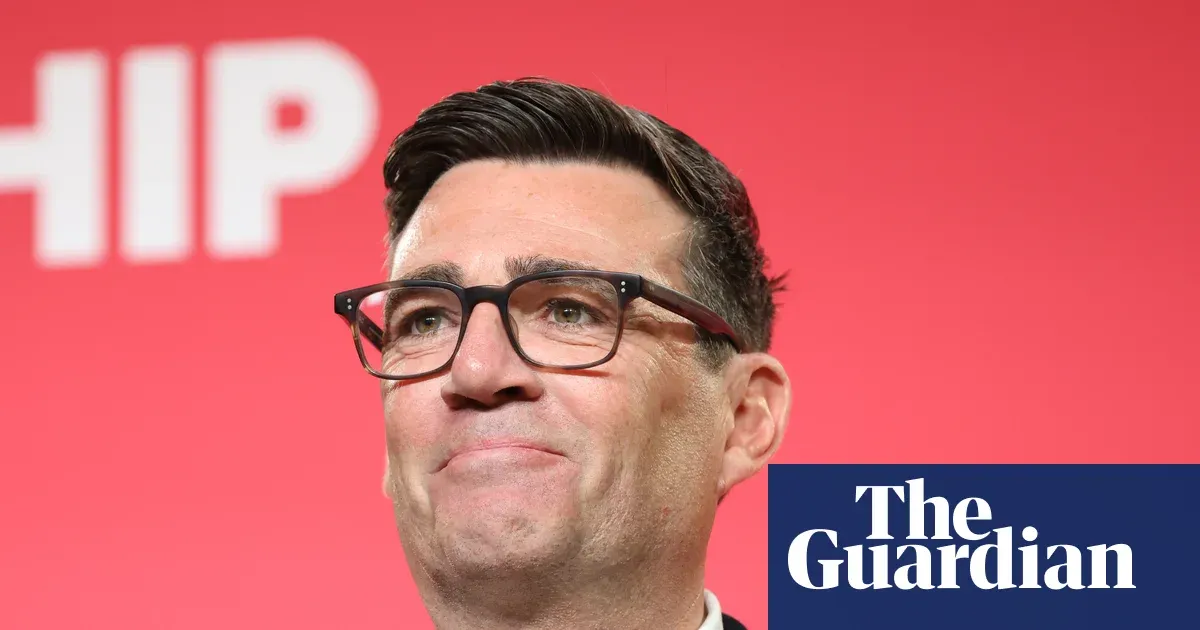
Andy Burnham, set to become prime minister on Monday, vows to lead a Labour government free of infighting and factional politics. His leftwing agenda includes undoing 1980s Thatcherism, expanding public ownership, fixing social care, and building new council homes.
Andy Burnham is taking over as Labour leader with a very specific mission: end the party’s internal civil war. He promised to lead a united Labour government free of infighting and factional politics as he steps into the role that will make him prime minister on Monday. The headline is clear, and the stakes are not theoretical. In a political system where messaging, staffing, and policy rollouts all depend on internal discipline, infighting does not just create drama. It can delay decisions, weaken negotiating positions, and make it harder for any government to translate promises into budgets, laws, and delivery.
But even as Burnham sells unity, anxiety still bubbles up on the left about a central piece of his team: Shabana Mahmood as chancellor. That matters because the chancellor is effectively the government’s financial steering wheel. If the left is worried about Mahmood, it is not because everyone suddenly hates fiscal credibility. It is because the leftwing agenda Burnham is projecting needs money, sequencing, and authority to execute. In British politics, the gap between “vision” and “implementation” often comes down to who controls the purse strings and how quickly they can turn priorities into spending plans. So the unity pledge is both political optics and operational risk management.
Burnham’s stated policy direction leans distinctly left. He promised to undo the Thatcherism of the 1980s. In practical terms, that framing signals a shift in how the state should relate to markets, services, and public welfare. It also sets an immediate tension line with voters and institutions accustomed to a more limited role for government. If you are an executive, operator, investor, or regulator who follows policy because it shapes real-world constraints, you know the pattern: when a government declares a break from the past, it often triggers a new round of consultations, reviews, and policy redesign. Those steps can create short-term uncertainty, even before any legislation lands.
The vision also includes more public ownership of utilities. Utilities are a special category because they sit at the intersection of regulation, infrastructure, and long-term capital planning. They are typically governed by rules that determine pricing, investment incentives, and service obligations. More public ownership can imply changes in ownership structures, strategic priorities, and sometimes the regulatory approach. Even if day-to-day regulation continues while changes are designed, boards and investors in regulated sectors pay attention early because ownership and oversight structures influence risk, return expectations, and the likely timetable of decisions.
Burnham also says he will find the money to fix social care and build a new generation of council homes. Those are not just symbolic promises; they are spending commitments that collide with the hard constraint every government faces: limited fiscal headroom. Social care in particular is a sector where funding gaps translate into delivery pressure, workforce strain, and service fragility. Council homes, meanwhile, require capital expenditure, planning approvals, and procurement capacity. The “find the money” line is therefore a test of credibility, because it raises a simple question for decision-makers across the country: where does the funding come from, and what gets deprioritized to make the numbers work?
That is where the chancellor anxiety on the left becomes more than party politics. If Mahmood is perceived as insufficiently aligned with the left’s priorities, it can create internal friction at exactly the moment when the government needs fast, coherent budgeting. The government’s early months are when teams lock in fiscal frameworks, negotiate tradeoffs, and set the tone for how disputes will be handled. A pledge to end infighting is, in that sense, an attempt to prevent policy delay. The second-order risk is that any lingering factional tension could spill into cabinet-level debates, procurement timelines, and the way ministers engage with regulated industries and local authorities.
So for peers watching this closely, the story is less about campaign slogans and more about governance mechanics. A government can be ambitious and still stumble if internal alignment fails when budgets are drafted and implementation plans are negotiated. Burnham’s bet is that a unified Labour government can combine a leftwing reset with enough execution discipline to deliver tangible outcomes like social care fixes and council home building. For executives and boards, that means planning for a policy environment where public ownership signals potential shifts in sector strategy, while social spending and housing commitments raise the probability of major fiscal decisions. The prize is clarity. The risk is a slow rollout powered by internal disagreement, with affected sectors forced to operate in uncertainty until the chancellor and leadership settle the budget terms.
This story's Key Insights and Take-aways are locked.
Create a free account to unlock Executive Actions for one credit.
Register to UnlockAlways free for Executives Club members. Join the Club
More in Politics
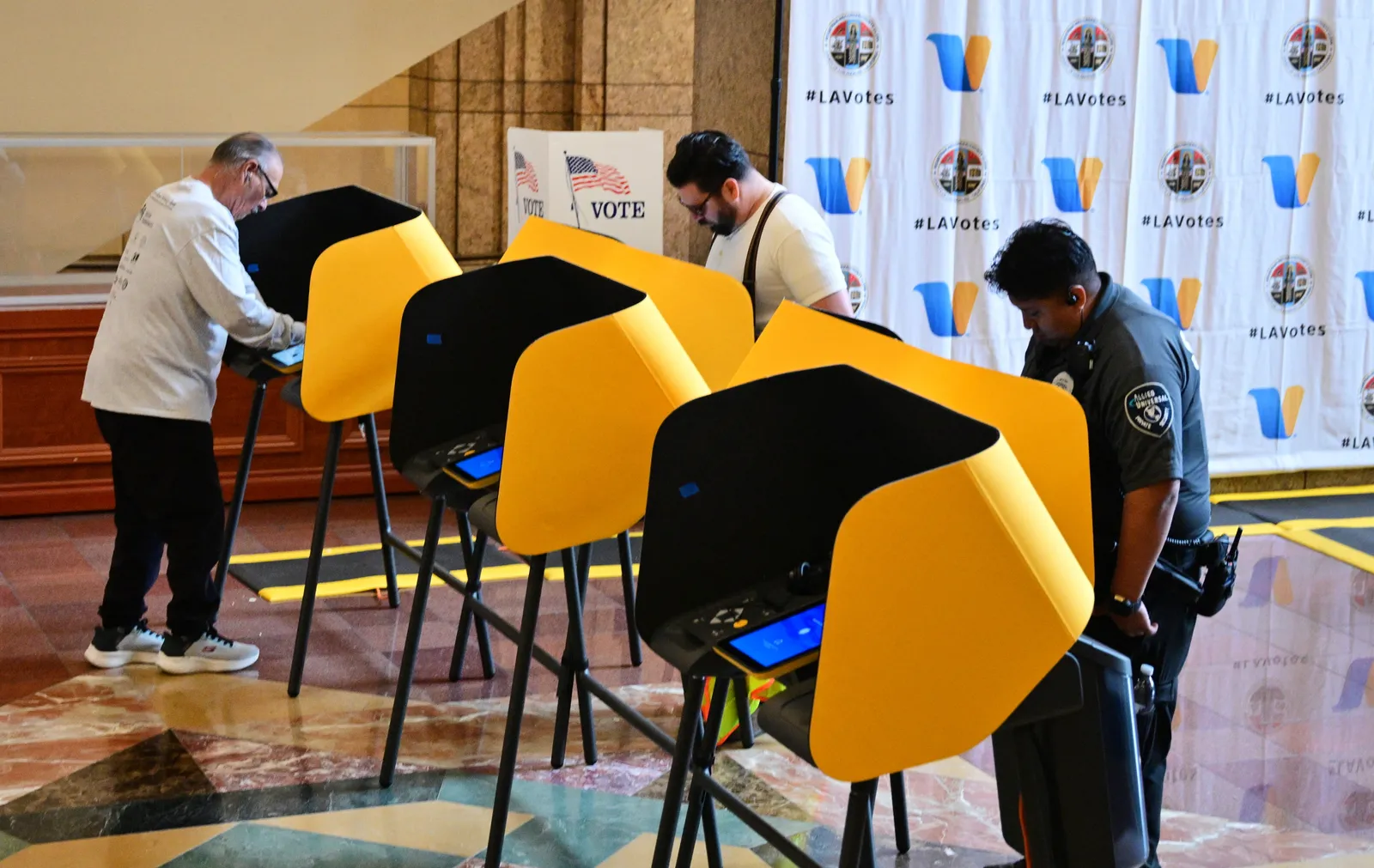
LA County: DOJ's 20,000 'noncitizen' voter list is 'unreliable,' includes U.S.-born
Preliminary review by Los Angeles County election officials finds errors in the federal list, raising the stakes for voter roll integrity ahead of November.

Trump's $1.5B Pentagon chip investment lands in North Carolina
A $1.5 billion defense infusion for North Carolina chipmaking signals a new era of Pentagon-backed reshoring - here's what it means for the industry.

Nigeria confirms first Ebola case in Abuja, a woman just off a Uganda flight
Health Minister Muhammad Ali Pate says the patient flew in from Uganda, putting Africa's latest outbreak on Nigeria's doorstep.