

LA County: DOJ's 20,000 'noncitizen' voter list is 'unreliable,' includes U.S.-born
Preliminary review by Los Angeles County election officials finds errors in the federal list, raising the stakes for voter roll integrity ahead of November.
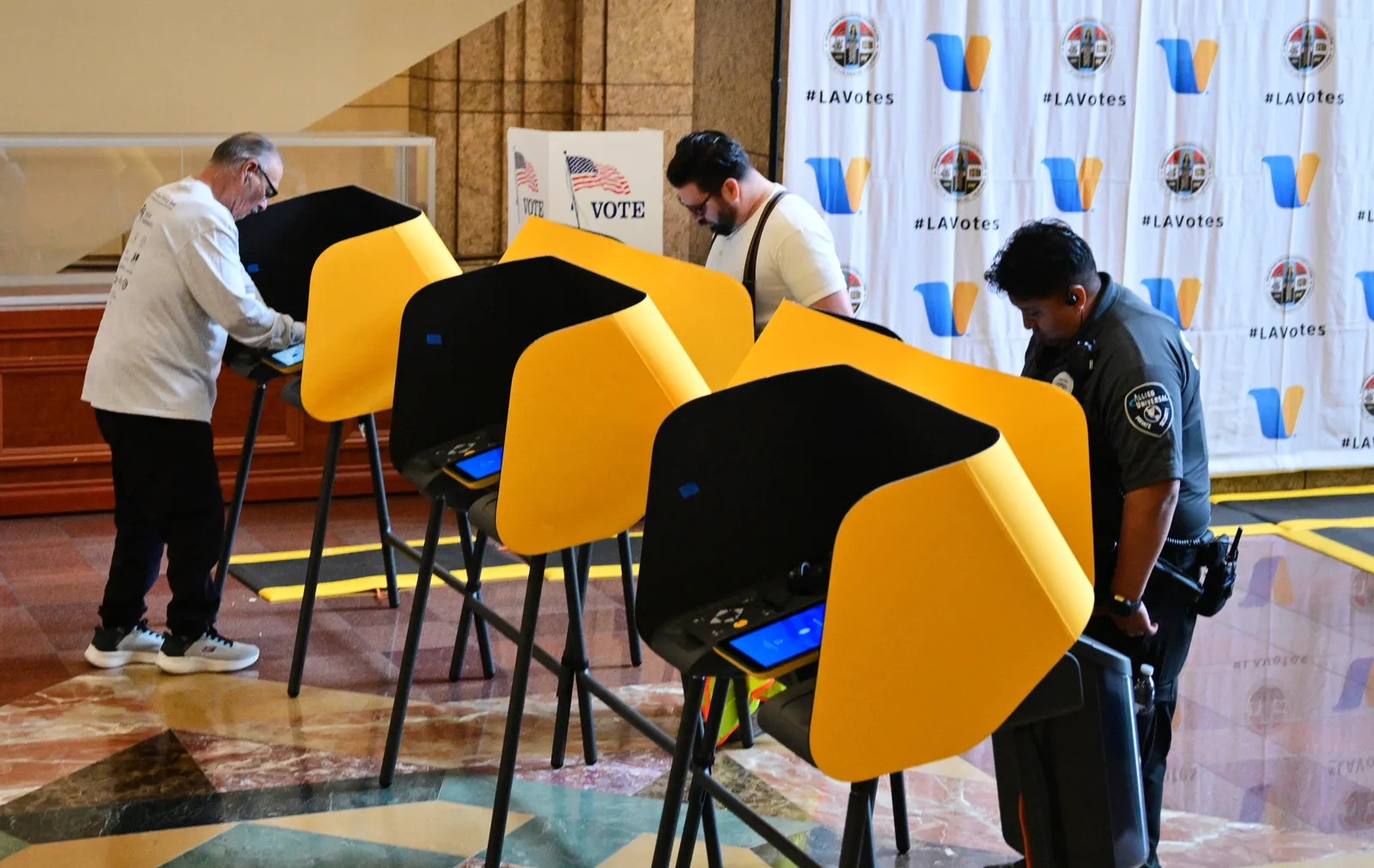
Los Angeles County election officials say the DOJ's list of 20,000 'likely' noncitizen voters in California is 'unreliable,' with some individuals appearing to be U.S.-born. The finding challenges federal voter integrity efforts and underscores the need for local verification before any action is taken.
Los Angeles County election officials have thrown a wrench into the Department of Justice's voter integrity machinery. Their preliminary analysis of the federal government's list of 20,000 'likely' noncitizens registered to vote in California concludes the list is 'unreliable,' and some of the people on it appear to be U.S.-born, according to NPR. The finding, reported by NPR, is a direct challenge to the DOJ's effort to enforce federal law barring noncitizens from voting in federal elections.
For California, the list is the latest flashpoint in a long-running tension between Washington and state election administrators over who gets to decide who is eligible to vote, and what happens when the federal data is wrong. The list was sent to California as part of a broader federal effort to clean voter rolls, but LA County's review suggests the data is riddled with false positives. If taken at face value, the list could have led to eligible U.S. citizens being challenged, investigated, or even removed from the rolls, a nightmare scenario for election officials who are legally obligated to protect the franchise.
The stakes are particularly high in California, which has one of the largest electorates in the nation and a significant immigrant population. The state has also been a vocal opponent of the Trump administration's immigration policies, and the DOJ's list has been viewed by some as an attempt to intimidate immigrant communities. While the source does not explicitly say that, the political context is clear: voter roll purges have become a flashpoint in the broader debate over election integrity and access. The LA County finding is a concrete example of why local officials are often skeptical of federal lists.
This is not a new problem. Citizenship verification has long been a thorny issue for election administrators. Federal databases used to cross-check voter rolls, such as the Systematic Alien Verification for Entitlements (SAVE) program, are known to contain outdated records, name mismatches, and data entry errors. A naturalized citizen may appear in a database as a noncitizen if their status was not updated, or a U.S.-born citizen may be flagged due to a typo or a shared name. The LA County finding is a concrete example of why local officials are often skeptical of federal lists.
The legal framework adds another layer of complexity. Federal law requires states to maintain accurate voter rolls, but it also prohibits removing voters solely because they fail to respond to a mailing. States must make reasonable efforts to remove ineligible voters, but they cannot use flawed data to disenfranchise eligible citizens. This tension is at the heart of the LA County analysis: the DOJ's list may be well-intentioned, but it is not reliable enough to justify any removal action. The source notes that the analysis is preliminary, meaning further review could change the picture, but the initial findings are enough to raise serious concerns.
For election officials across the country, the LA County analysis is a cautionary tale. Federal data is not gospel. It must be rigorously verified at the local level before any action is taken. The cost of a false positive is not just an administrative headache, it is the potential disenfranchisement of a U.S. citizen. And the cost of a false negative is a noncitizen voting illegally, which undermines public confidence in the system. The balance is delicate, and the LA County finding shows that the federal government's own data may not be reliable enough to tip that balance.
The DOJ has not yet responded publicly to the LA County analysis, according to the source. But the finding is likely to fuel further legal and political battles over voter roll maintenance. California has previously pushed back against federal demands for voter data, and this list could become another point of contention. For secretaries of state and county election officials, the lesson is to treat federal lists as leads, not verdicts, and to invest in their own data verification processes. The source does not specify whether other states received similar lists, but the California experience could serve as a template for how to handle them.
Ultimately, the LA County review is a reminder that election integrity is not a one-size-fits-all proposition. The federal government has a legitimate interest in ensuring noncitizens do not vote, but that interest must be balanced against the fundamental right of citizens to vote. When the data is wrong, the system fails. The 20,000 names on the DOJ list are not just numbers, they are people, and some of them are American citizens. The LA County finding is a victory for those citizens, and a warning to anyone who would use flawed data to decide who gets to participate in democracy.
This story's Key Insights and Take-aways are locked.
Create a free account to unlock Executive Actions for one credit.
Register to UnlockAlways free for Executives Club members. Join the Club
More in Politics
Trump's $1.5B Pentagon chip investment lands in North Carolina
A $1.5 billion defense infusion for North Carolina chipmaking signals a new era of Pentagon-backed reshoring - here's what it means for the industry.
Nigeria confirms first Ebola case in Abuja, a woman just off a Uganda flight
Health Minister Muhammad Ali Pate says the patient flew in from Uganda, putting Africa's latest outbreak on Nigeria's doorstep.
Obama Defends Ilhan Omar After Agents Search Her Home in Trump Inquiry
The former president's intervention raises the stakes in a federal probe into immigration paperwork that has put a prominent progressive lawmaker in the crosshairs.