

Andy Burnham’s first Labour leader speech reopens the unity fight with “new politics”
From NEC block to “hope back,” Burnham signals a break with neoliberalism and pressure on Labour’s internal power map.
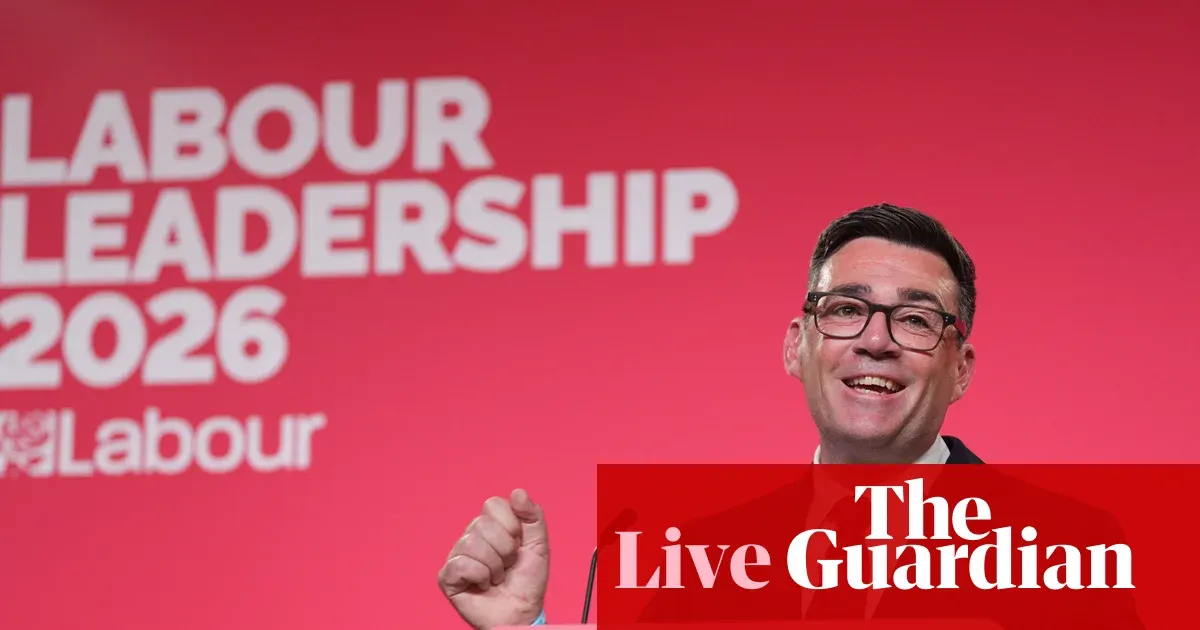
Andy Burnham used his first speech as Labour leader to call for party unity and a “new politics,” while criticizing “decades of neoliberalism” and saying he wants to give people “hope back.” His path back to Parliament was shaped by Labour’s national executive committee decisions around his Greater Manchester mayoralty, and that internal tension now becomes part of the leadership story.
Andy Burnham’s first speech as Labour leader did not start with policy wonkery. It started with a fight: party unity, “new politics,” and a direct swipe at what he called “decades of neoliberalism,” paired with a promise to give people “hope back.” The point was not subtle. In a party that has recently struggled electorally, Burnham is trying to weld together a coalition that is fracturing over direction, credibility, and who gets to set the tempo.
That tension has roots in how Labour has handled his return to Westminster. When Burnham first tried to come back to the Commons, he applied to be Labour’s candidate in the Gorton and Denton byelection, and Labour’s national executive committee blocked him. The reason, as described in the source, was partly practical but politically loaded: the NEC argued Labour might find it hard to hold the Greater Manchester mayoralty in the byelection triggered by Burnham’s resignation. In other words, the internal decision was shaped by incentives around office, risk, and the cascading effects of a leadership move.
Burnham’s second attempt shows the recalculation that happens when electoral outcomes shift. When he next applied to be a candidate, for Makerfield, the NEC no longer felt able to say no. The source attributes that shift to Labour’s May election results being so bad that “the case for having Burnham in parliament became overwhelming.” That sequence matters because it turns what could have been a simple personnel decision into an indictment of how a party manages leverage: keep a leader out when holding other positions is the priority, then rush to get them in when the electoral floor drops.
If you are an executive watching politics like a market, you can feel the second-order logic. Leadership decisions are not made in a vacuum. They are made inside a boardroom-like ecosystem where different actors weigh competing risks. Here, the competing risks were continuity of the Greater Manchester mayoralty versus the strategic value of having Burnham in parliament. The NEC’s pivot after May suggests an organizational threshold: once the electoral numbers got bad enough, the internal cost of blocking him outweighed the operational concern about the mayoralty.
Now take the speech itself. Burnham’s language targets a broader economic and political frame, not just a tactical disagreement. Criticizing “decades of neoliberalism” is a bid to redefine what Labour stands for, and “new politics” is the branding of that redefinition. His “hope back” line is a morale strategy as much as an ideological one. In markets, when brands lose trust, they spend money to regain it. In parties, leaders regain trust by remaking the story and forcing internal alignments. Burnham’s speech is doing that, publicly, in his first major moment as leader.
Why does unity matter here? Because his own party has already demonstrated it will override process when circumstances change, and that fact creates a governance question for everyone else in the coalition. If the NEC blocked him earlier partly due to mayoralty risk, and then reversed course because May results were “so bad,” then other factions might read the message as conditional loyalty. They may ask: are decisions driven by principles, or by polling math and near-term survival? That is the kind of uncertainty that can slow execution in any organization, including a political one.
The source also hints at the structural nature of the problem. A mayoralty is not just a title. It is a power node. Resigning triggers a byelection. Holding that office becomes a strategic objective. That means Labour’s leadership team, even while talking about national direction, had to calculate how individual moves ripple through the party’s local power base. Burnham’s comeback arc, therefore, is not only a personal story. It is a case study in how internal gatekeeping can be contingent, and how quickly a party can change its mind when electoral conditions worsen.
Second-order implication: for any executive advising political stakeholders, the lesson is that governance mechanisms are reactive under pressure. The NEC’s earlier block and later reversal suggest a threshold-based decision model. Once the cost of exclusion rises, the institution finds a way to rationalize inclusion. Burnham now has to convert that reconciled moment into a coherent “new politics” program that can survive beyond the immediate election cycle. Otherwise, the unity he calls for in his first speech risks becoming performative, because the party will remember how quickly it moved when numbers turned.
For Labour peers, the stakes are immediate. Burnham is using his leadership debut to set a narrative reset: away from neoliberalism, toward hope, and into “new politics.” But the internal mechanics behind his return to Parliament show that Labour’s internal power structure is still balancing offices, electoral performance, and survival math. If he cannot turn unity into durable alignment, the same institutional dynamics that blocked him and later embraced him could reappear in future leadership tests, committee fights, and candidate selections.
This story's Key Insights and Take-aways are locked.
Create a free account to unlock Executive Actions for one credit.
Register to UnlockAlways free for Executives Club members. Join the Club
More in Politics
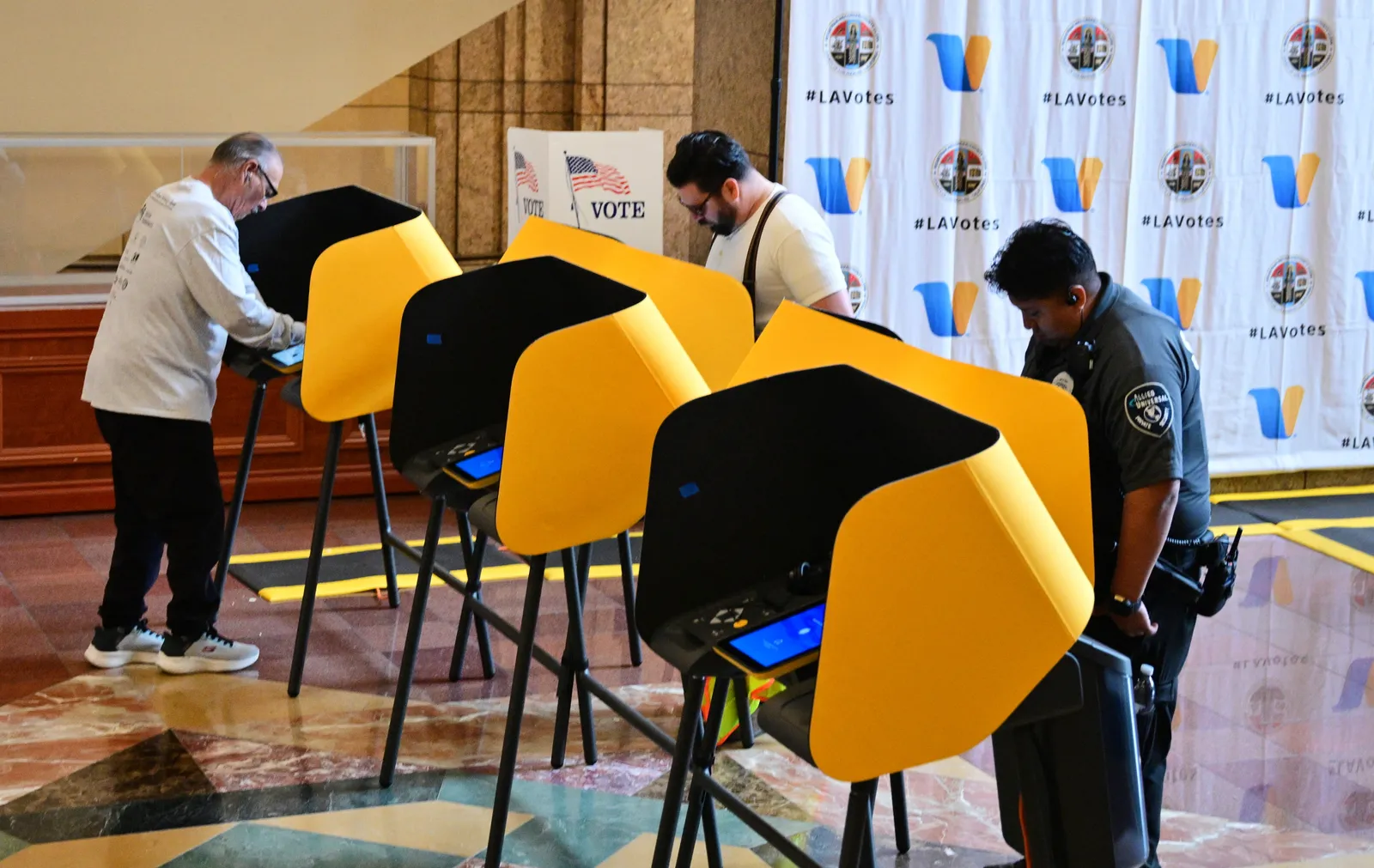
LA County: DOJ's 20,000 'noncitizen' voter list is 'unreliable,' includes U.S.-born
Preliminary review by Los Angeles County election officials finds errors in the federal list, raising the stakes for voter roll integrity ahead of November.
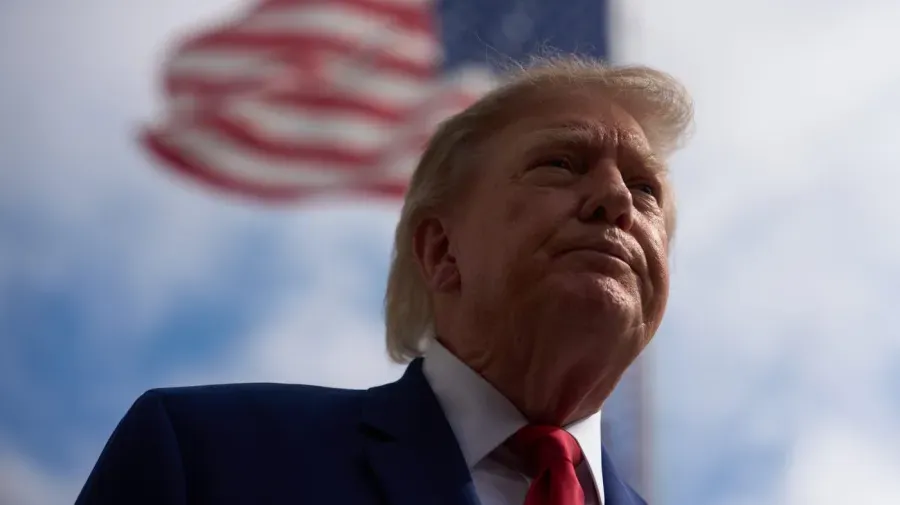
Trump's $1.5B Pentagon chip investment lands in North Carolina
A $1.5 billion defense infusion for North Carolina chipmaking signals a new era of Pentagon-backed reshoring - here's what it means for the industry.

Nigeria confirms first Ebola case in Abuja, a woman just off a Uganda flight
Health Minister Muhammad Ali Pate says the patient flew in from Uganda, putting Africa's latest outbreak on Nigeria's doorstep.