

Andy Burnham vows first-week cost relief, including business rates cuts and private rent freezes
His planned package, outlined in his first interview since returning to parliament, targets energy, water, buses, and private rents.
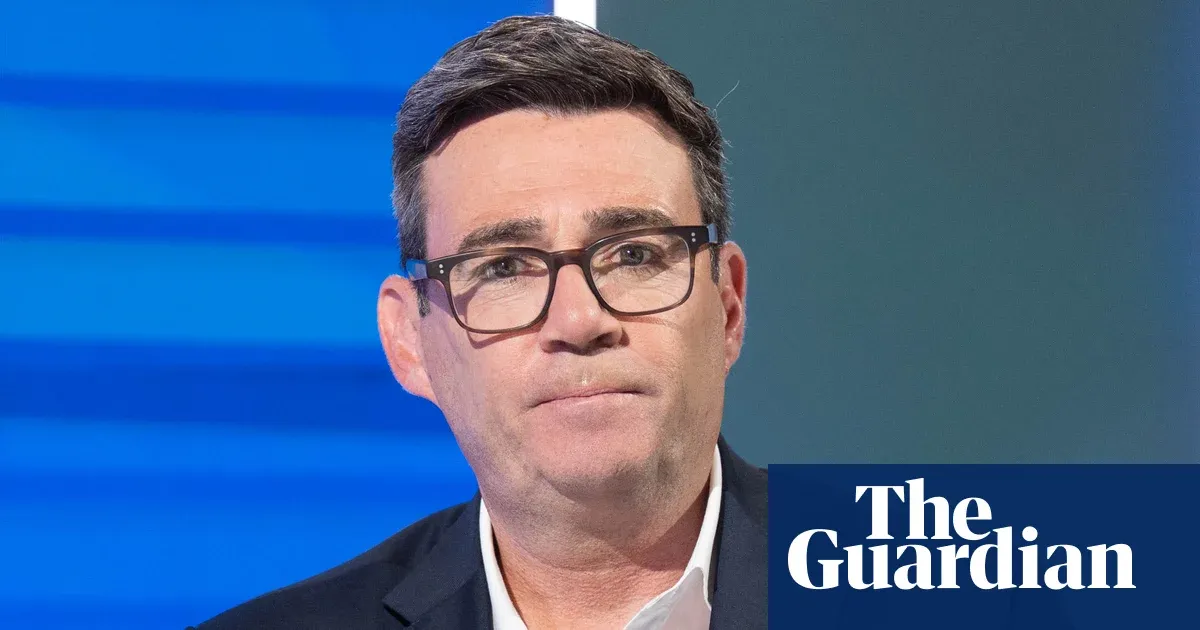
Andy Burnham, the Makerfield MP, promised to ease cost of living pressures if he becomes prime minister later this month, in his first interview since returning to parliament. His approach includes considering business rates reductions, potentially freezing private rents, de-privatising water and energy, and making bus travel free for 16- to 18-year-olds.
Andy Burnham says he would move quickly to ease cost of living pressures if he becomes prime minister later this month. In his first interview since returning to parliament, the Makerfield MP told LBC that he would consider reducing business rates for some high street businesses, and he also floated other big levers aimed at households and the everyday bills people feel in their budgets.
The headline promise is straightforward: if Burnham gets the keys, he wants to take pressure off living costs by targeting multiple sources of monthly pain at once. He described a package that could include bringing down water and energy costs by de-privatising companies and making bus travel free for 16- to 18-year-olds. He also said it could include a freeze on private rents, which matters because private rent is often one of the least flexible cost lines in a typical household’s spending.
For executives and boards, this is the part that tends to get underpriced in political coverage: cost of living policy is not just “help for consumers.” It is a cascading system that hits operators, landlords, utilities, retailers, and public transport financing models. If business rates are reduced for some high street businesses, that is a direct change to one of the fixed-cost anchors for retail and local services. The immediate implication is that marginal businesses could survive longer, invest more confidently, or keep prices steadier. The longer-run implication is that firms might change their hiring and expansion decisions based on whether relief is temporary or becomes a stable part of the fiscal landscape.
Burnham’s package also points to a world where the politics of “prices” turn into politics of “ownership and regulation.” When he says he would look at bringing down water and energy costs by de-privatising companies, he is not just calling for lower bills. He is signalling a potential shift in how those sectors are structured, supervised, and funded. In many regulated industries, pricing is tightly linked to regulatory decisions and the incentives those decisions create, including whether operators are allowed to earn returns and how investment is financed. A move toward de-privatising would likely bring a different governance and accountability model, which can change expectations for cost recovery and capex across the system.
Then there is the private rents angle: Burnham told LBC that his package could include a freeze on private rents. Rent freezes are not a small tweak. They can alter the bargaining power between tenants and landlords, the economics of letting property, and the flow of capital into rental housing. Even without inventing details beyond the source, it is clear the mechanism is the freeze itself, because it changes how quickly landlords can adjust pricing. That can influence maintenance decisions, renovation incentives, and how attractive rental yields look relative to other investments.
Finally, making bus travel free for 16- to 18-year-olds is a policy lever that directly affects demand. That kind of intervention typically reshapes ridership patterns, route economics, and planning assumptions for transport operators and local authorities. Even if the policy is targeted by age, it can still change revenue and costs because services need to be scheduled and maintained for the expected flow of riders. In practical terms, it can shift who carries the financial burden, whether it is government funding, subsidies, or reallocation within public budgets.
Put together, Burnham’s plan is a “multi-bill” strategy. Instead of picking a single lever, he is clustering interventions across taxes and fees (business rates), household rent (private rents), utility pricing (water and energy), and mobility costs (bus fares for 16- to 18-year-olds). That matters because cost of living pressure is often cumulative, not isolated. When governments attack multiple categories simultaneously, they can reduce the perceived squeeze faster. But it also increases execution complexity, because different sectors respond differently to regulation, ownership change, and subsidy design.
For peers tracking political transitions, the real boardroom relevance is speed and sequencing. Burnham’s comments are framed as part of his first steps if he becomes prime minister later this month. That signals a potential window where policy direction could become clearer quickly, which means companies in retail, utilities, property, and transport may need to think about scenario planning now rather than later. If the package moves from consideration to action, management teams should expect questions from investors and counterparties about how costs, pricing, and regulatory risk could change across the next budgeting cycle.
In short: Burnham’s cost of living package is not just a list of promises. It is a set of policy pathways aimed at high street business costs, private rent growth, utility bills, and youth transport fares. For decision-makers, the stakes are credibility and predictability in regulated and quasi-regulated markets. If these policies land, they can remake the cost structure for multiple industries at once.
This story's Key Insights and Take-aways are locked.
Create a free account to unlock Executive Actions for one credit.
Register to UnlockAlways free for Executives Club members. Join the Club
More in Politics

Glacial collapse, not rain, killed 180 in Nepal's Himalayan flood
The Himalaya's extreme geography hid the true cause of Nepal's catastrophic flood, a glacial collapse that turned a geological battleground into a mass-casualty zone.
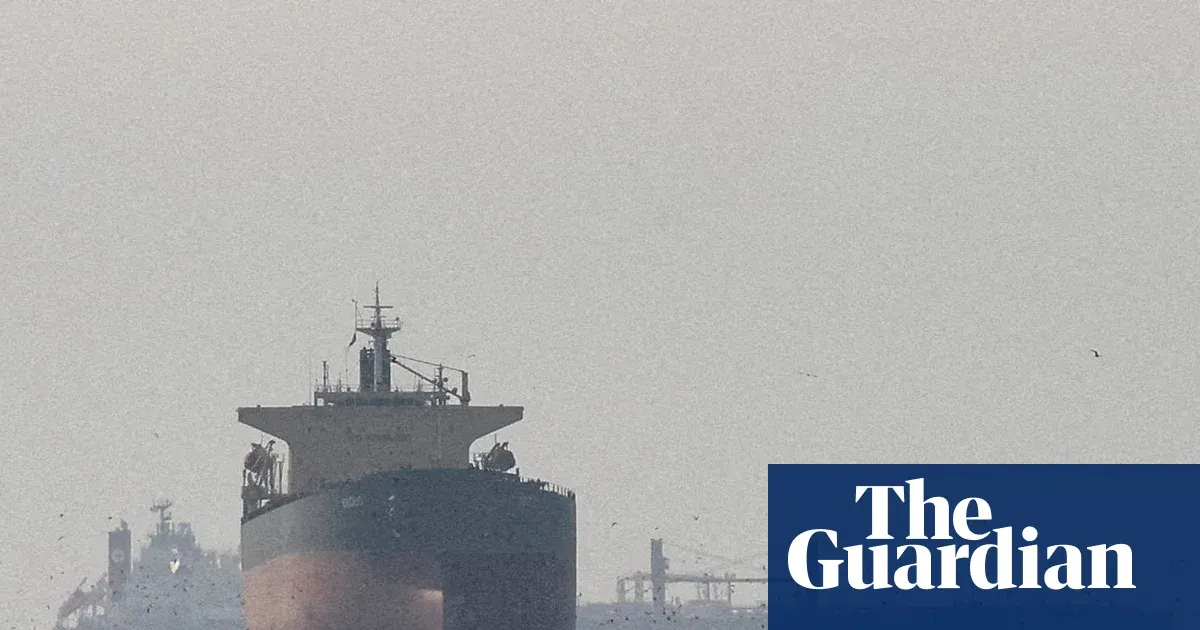
Iran’s Esmail Baghaei says Oman talks start shipping via Hormuz, not US talks yet
Temporary route plans with Oman aim to restart commerce while Tehran says Washington dialogue is not on the table.
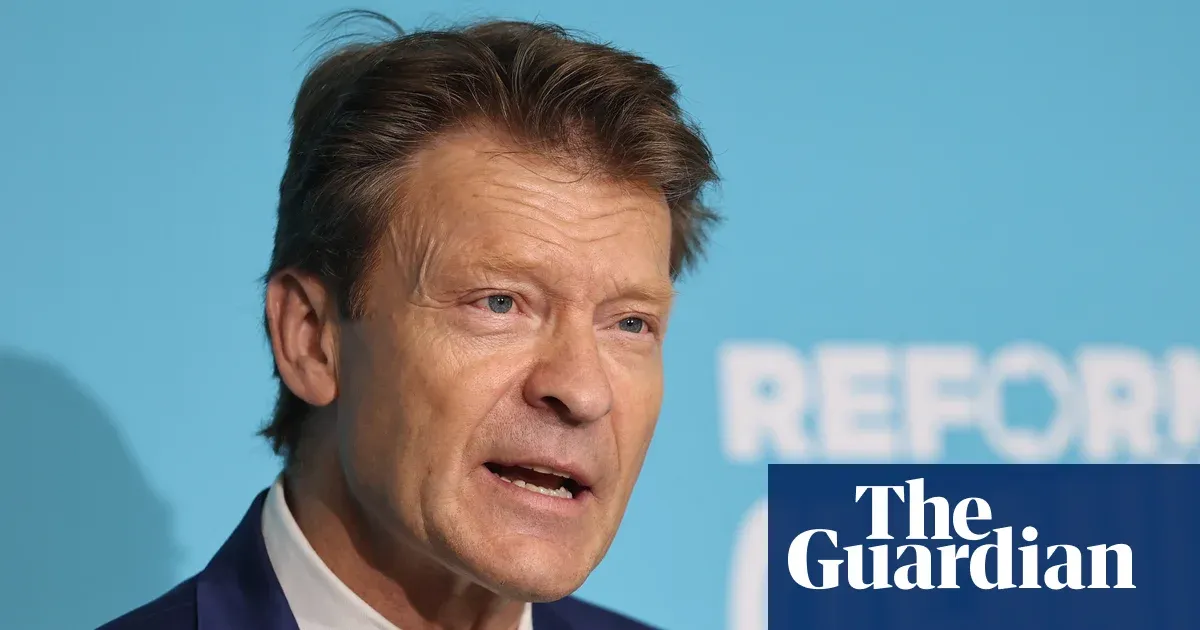
Standards watchdog opens probe into Reform UK deputy leader Richard Tice over interests
The parliamentary standards commissioner says it began an investigation on 28 July into a possible undeclared interest.