
Andy Jassy flagged Anthropic security risks before crackdown, Anthropic cut off two models
The reported source of the government-triggered security concerns is Andy Jassy. What that means for AI access, oversight, and risk management now.
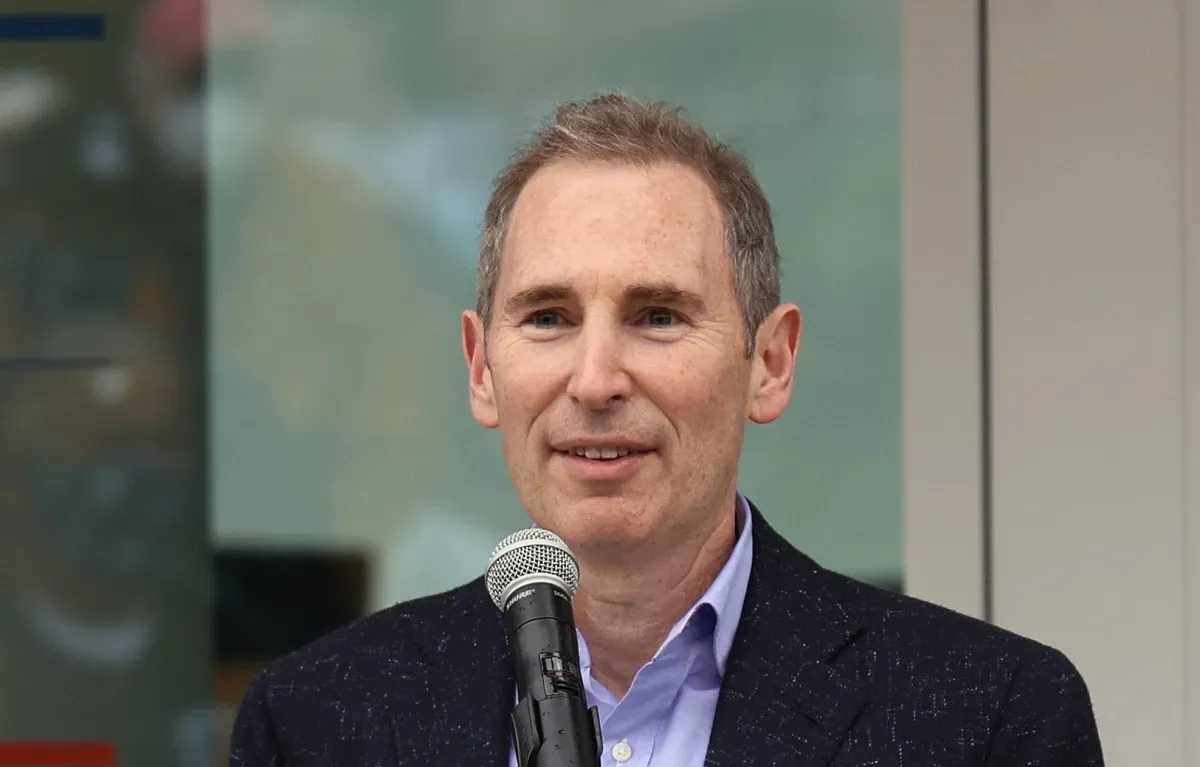
Amazon CEO Andy Jassy may have been the source of security concerns that led Anthropic to cut off worldwide access to two models on Friday. For decision-makers, the episode is a stress test for how fast regulatory and security framing can change model availability at scale.
Amazon CEO Andy Jassy reportedly raised security concerns tied to Anthropic models before a government crackdown, and those concerns may have helped prompt Anthropic to cut off worldwide access to two models on Friday. That sequence matters because it suggests the “security discussion” phase can become an “access shutdown” phase surprisingly quickly, with real operational and business consequences.
In other words: this is not just a policy headline. It is a supply-chain moment for AI capability. When a major provider like Anthropic restricts access to models that customers rely on, the downstream impact lands on everyone building products, running experiments, or embedding AI in workflows. And if a top executive like Andy Jassy was a reported trigger for security concerns, the ripple extends beyond one company and into how the biggest players in the industry manage platform risk, trust, and compliance signaling.
To understand why this went so fast, it helps to know how AI model access typically works in practice. Many deployments depend on a third party offering models via APIs or other controlled interfaces, with contractual and operational constraints that can be tightened when risk escalates. “Worldwide access” being cut off indicates this was not a minor change limited to a single customer or region. It is the kind of lever that providers pull when they believe there is a plausible threat or a regulatory exposure they need to address urgently.
That urgency is where the regulatory backdrop comes in. The source frames the episode as tied to a government crackdown, which implies oversight pressure and enforcement expectations rather than internal debate alone. In regimes where regulators focus on misuse, safety, and security, the line between “we are monitoring” and “we must act” can be thin. Once authorities signal they are looking, companies often respond by tightening access and documenting safeguards, because the compliance cost of being too slow can dwarf the cost of being too restrictive.
Against that backdrop, why would Amazon be involved? Amazon is not a random observer of Anthropic’s ecosystem. As a major technology and cloud player, Amazon sits in the middle of infrastructure and distribution, where security requirements and risk assessments are operationally real. If Jassy was indeed the reported source of security concerns, the implication is that one of the industry’s most influential gatekeepers raised red flags that anthopedics and compliance teams could not ignore. Even without more detail in the source, the direction of causality matters: security concerns raised at the top can translate into product-level constraints quickly.
There is also a governance angle. Large AI companies operate with layered decision-making, but the people closest to enterprise customers and strategic partners often influence the risk posture. If security concerns surfaced through discussions linked to government scrutiny, they could also change how boards and leadership teams assess exposure. Restricting access to two models on Friday is a dramatic move, and dramatic moves tend to be correlated with perceived severity, even if the public explanation is limited.
For executives at peer organizations, the second-order takeaway is straightforward: model availability is not solely an engineering roadmap. It is a function of security framing, regulatory temperature, and partner pressure, all of which can shift at speed. Teams that depend on Anthropic models need contingency plans that assume external constraints can appear suddenly, not only in response to their own actions.
Finally, there is a strategic stakes question that boards and CFOs should care about: every restriction creates a commercial and reputational test. Customers want continuity; regulators want accountability; model providers want to reduce exposure. When the market sees a worldwide cut off of two models, the industry learns a harsh lesson about leverage. Even when details stay murky in public reporting, the direction is clear: security concerns can harden into access limits, and those limits can reshape the competitive landscape for whoever can best manage risk while keeping products alive.
This story's Key Insights and Take-aways are locked.
Create a free account to unlock Executive Actions for one credit.
Register to UnlockAlways free for Executives Club members. Join the Club
More in Technology

OpenAI says 10,000 agents cracked a 90-year math problem in 88 hours
The company's claim is audacious, but one mathematician is pushing back. Here's what it means for AI-driven discovery.

Meta still serves child sexual abuse ads on Instagram in India - BBC report
A new report following the BBC Eye investigation says the ads are still there - what it signals for every platform with a self-serve ad engine.
White House yanks 'Build the Wall' game after Tetris Company copyright warning
The administration's arcade game vanished in hours - and the takedown playbook every brand can learn from.