

Andy Schuon becomes ACM CEO on Sept. 1, after Damon Whiteside exits June 30
A new cross-industry operator takes over the Academy of Country Music as streaming-era strategy and global reach get a reset.
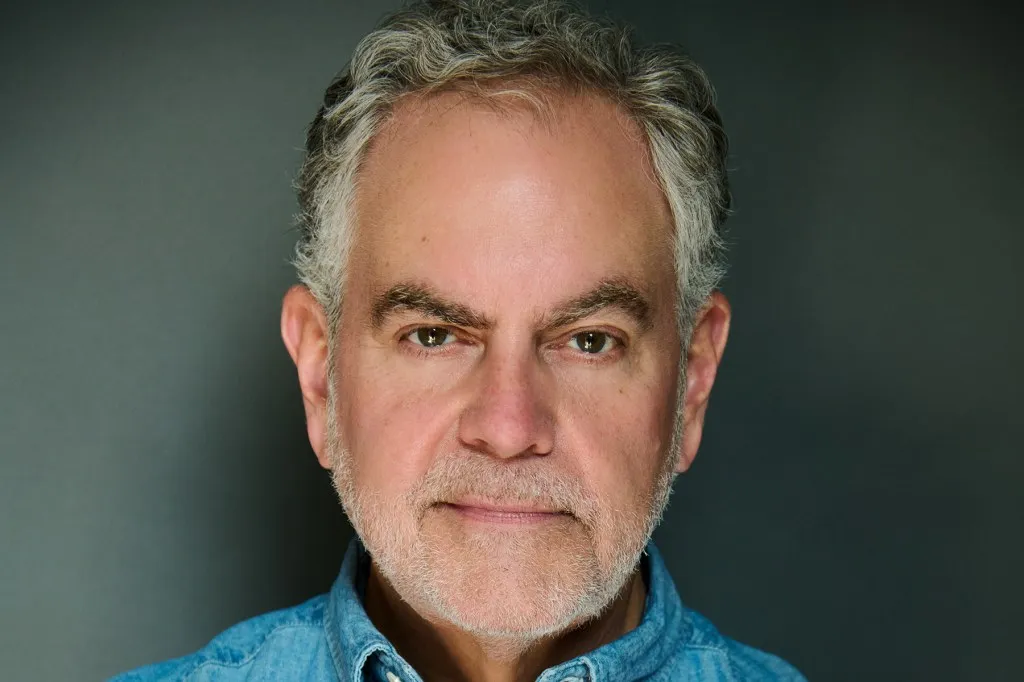
The Academy of Country Music named Andy Schuon as its new CEO, with his start date set for Sept. 1 in Nashville, succeeding Damon Whiteside. For decision-makers, the switch signals how major country institutions are thinking about streaming distribution, digital content, and global audience growth.
Andy Schuon is stepping into the chief executive officer role at the Academy of Country Music, starting Sept. 1 in Nashville. He takes over from Damon Whiteside, who led the organization for more than six years and stepped down on June 30, then transitioned to CEO emeritus for the rest of the year.
This is not a “same genre, same playbook” handoff. Whiteside’s tenure included a big operational shift at the ACM Awards, the 61st annual ceremony held in May, when it became the first major awards show to transition from broadcast to streaming. The show first aired on Amazon’s Prime Video in 2022, and the current deal streams the program in 240 countries and territories through 2028. That streaming infrastructure, plus the global footprint, is the context Schuon inherits on day one.
Schuon’s background is a deliberate mismatch in one obvious way: he has not held country-specific leadership roles before. But his career has been built around roles where distribution, audience behavior, and new platforms collide. Billboard lists leadership experience across MTV, VH-1, Warner Brothers Records, Universal Music Group, Ticketmaster, and CBS Radio. He also worked on then-new platforms and technologies, with executive positions tied to MTV2, Farmclub.com, Pressplay and REVOLT TV.
The through-line here is that Schuon has been in the room where media shifts from one format to another. Billboard describes early radio credibility at KROQ-FM Los Angeles, where he launched “Kevin & Bean” and “Loveline” with Dr. Drew as program director. In the mid-’90s, he moved into television as executive vp and head of programming and production at MTV, MTV2 and VH-1. Then he shifted into record labels, serving as executive vp and general manager at Warner Records and later CEO of Pressplay, the precursor to Napster. Pressplay was a joint venture between Universal Music Group and Sony Music.
From there, he returned to radio as president of programming and marketing at CBS Radio, overseeing 185 stations. Most recently, Billboard says he served as president of entertainment networks and digital for Anthem Sports & Entertainment, where he handled the company’s FAST television networks and digital entertainment businesses, including AXS TV and HDNET Movies. Translation for non-media people: FAST is part of the streaming and “always-on” content economy, and digital entertainment companies live and die by how quickly they find audiences and keep them.
In exclusive comments to Billboard, Schuon framed his transition into country as a kind of practiced reinvention. He calls the learning curve real, then lists how his career repeatedly forced him to adapt: from being an album rock radio programmer in Denver who showed up at alternative rock KROQ-FM in Los Angeles, to needing to figure out television fast after moving to MTV, to running Warner Bros. Records without label experience, and to building a team for the first digital music streaming service for Sony Music and Universal Music Group before iTunes and Spotify. He then argues the skills that translate are what many executives underestimate during genre pivots: connecting artists to fans, building brands, producing television, striking distribution and sponsorship deals, and answering to boards, members, and audiences all at once.
He also offers a reason this appointment may matter beyond the press release. Schuon says an outsider’s perspective applied with respect is often where the best work happens, adding that country music is “having a global moment” and that part of his job is helping the Academy meet that moment with fresh eyes. That “fresh eyes” line is not just branding. It lands right on top of what the ACM Awards already proved: streaming distribution can turn a major industry event into a global product, not just a U.S. broadcast moment.
On what he will do first, Schuon tells Billboard his initial step is listening, pointing to the Academy’s board of industry leaders, dedicated staff, and over 60 years of relationships with artists, labels, managers, promoters, and fans. After that, he wants to build on existing “tentpoles,” specifically the annual ACM Awards in May and the ACM Honors in August. He also points to assets that are unusually valuable for executives trying to grow without blowing up operations: the Academy has one of the largest social media followings in country music, plus an archive of major moments and performances going back to the 1960s. His stated emphasis is that there is “so much more we can do” across content, digital, partnerships, and experiences to support the industry and fans.
Meanwhile, the governance environment matters. In a statement, Cris Lacy, chair of the ACM board of directors, described Schuon’s career as reflecting commitment to innovation and serving artists, and said the board is excited to partner with him to strengthen the Academy’s impact, expand its reach, and create greater value for members and the country music community. The ACM was founded in 1964 in Los Angeles to represent country music in the Western states, counterbalancing the Nashville-based Country Music Association, which launched six years earlier. In 2022, the ACM relocated headquarters from Encino, California to Nashville, which is another reminder that this organization is positioning itself closer to the industry center while it tries to go global through modern distribution.
Finally, the timing creates a broader industry pattern. Billboard notes the news comes two weeks after the Country Music Association announced that Brittany Schaffer, dean of the Mike Curb College of Entertainment and Music Business at Belmont University, will take over for retiring CEO Sarah Trahern at the end of the year. Taken together, two major country institutions are mid-leadership transition as streaming-era programming, digital engagement, and global audience strategy become board-level imperatives. For executives in media, talent-adjacent platforms, and event-driven brands, the stake is clear: whoever leads these organizations will set how country music meets the next decade of consumption, distribution, and sponsorship.
This story's Key Insights and Take-aways are locked.
Create a free account to unlock Executive Actions for one credit.
Register to UnlockAlways free for Executives Club members. Join the Club
More in Entertainment

12TB Steam 'teraleak' goes beyond Valve: GTA 3, Mafia 2 prototypes exposed
A 12-terabyte dump of Steam data reveals prototypes and builds of third-party classics like GTA 3 and Mafia 2, plus unreleased Valve content, rewriting game history.

LinkedIn's romance problem: 1 in 4 workers say dating on it is fair game
A new survey shows a quarter of U.S. employees treat the professional network as fair game for romance, even as LinkedIn bans it and removes hundreds of thousands of offending posts.

Enhypen's first No. 1 album breaks K-pop's Billboard 200 streak
The K-pop group's 98,000-unit debut tops the chart while Dolly Parton's catalog reentry shows how death reshapes streaming.