
Andy Serkis returns to motion-capture as The Hunt for Gollum set footage drops
Warner Bros. releases first-look set footage, showing Serkis transforming back in character and what that signals for the production.
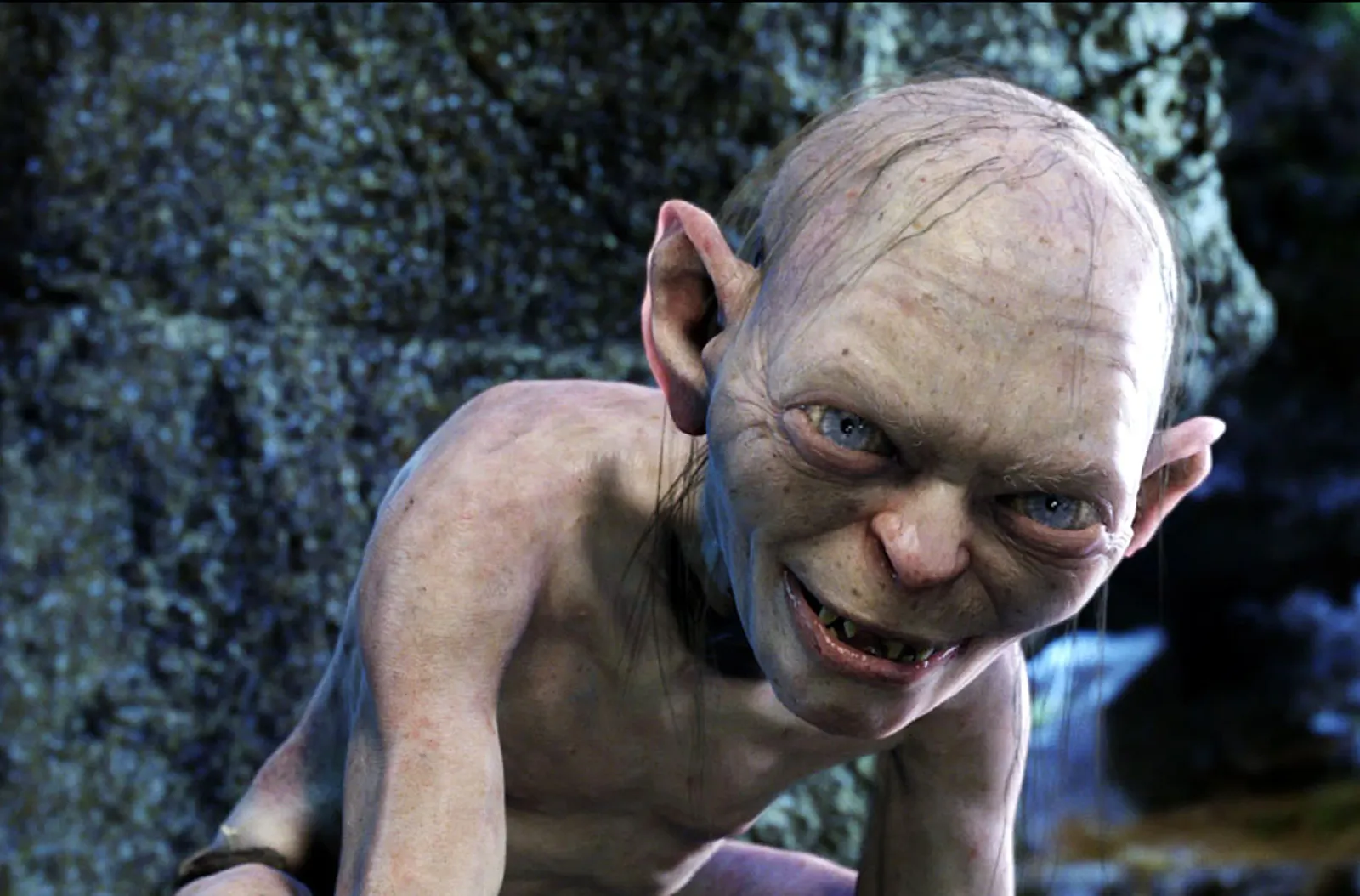
Andy Serkis directs and stars in Warner Bros.' The Lord of the Rings: The Hunt for Gollum, and the studio has released set footage from the production. For executives, the first-look clip is a real-time indicator of how the film is being built, from performance capture to the on-set transformation pipeline.
Warner Bros. has released set footage from The Lord of the Rings: The Hunt for Gollum, and it delivers a very specific kind of answer fast: Andy Serkis is back in motion capture, transforming into the titular character as he appears to begin shooting. The video opens with Serkis making his way onto the set wearing a motion-capture suit, in what the footage presents as the first day of production.
That detail matters because motion capture is not just a tech flex. It is a workflow. It decides how quickly directors can iterate, how costly reshoots become, and how a studio manages schedules when performance capture and post-production are tightly linked. Serkis, who is both directing and starring, is effectively controlling the bridge between what the camera sees and what the audience eventually experiences.
For decision-makers, that is the core implication of the footage. When a studio shows the process early, it is usually doing two things at once: giving fans something concrete to anchor excitement, and signaling to industry partners and internal stakeholders that the pipeline is operational. The clip is framed as Serkis entering the set in a motion-capture suit, with the transformation into Gollum as the headline moment. Even without additional plot details in the release, the structure communicates a production priority: performance first, visual transformation as a continuation of performance, not a separate afterthought.
There is also a business reason studios tend to share set footage like this. Blockbusters, especially franchise ones, live and die by “confidence.” Marketing confidence helps ticket demand. Production confidence helps budgeting discipline. When Warner Bros. publishes set footage, it contributes to a shared belief inside the ecosystem that the project is on track enough to be shown. That belief is not proof of final quality, but it is a meaningful input for how teams plan around delivery dates and production milestones.
The Hunt for Gollum sits in the gravitational field of The Lord of the Rings brand, where expectations are not casual. That means the performance capture component is not only a creative choice but also a risk-management strategy. In practical terms, the more the character depends on nuanced facial movement and body language, the more the production needs to get the performance right early. Motion capture, in that sense, reduces uncertainty by turning acting into reusable data for post-production. The footage starting with Serkis in the suit, then moving toward his on-character transformation, underscores that the studio is leaning into that approach.
For boards and senior executives, the second-order question is what this workflow implies for cost control and schedule control. Motion-capture-driven projects typically require close coordination between principal photography, capture sessions, and post-production pipelines that translate performance into final visuals. When the same person is directing and starring, as the footage indicates Serkis is, it can also change the feedback loop. A director who is on both sides of the capture table can reduce interpretation gaps, potentially limiting the number of iterations required to reach the intended performance look.
And yes, there is a capital allocation angle here too. In any franchise build, executives must balance spending on production with spending on marketing. The earlier a studio can communicate progress with credible, concrete visuals, the more leverage it gains over the narrative arc of the campaign. A first-look clip that shows the transformation process is a stronger asset for that narrative than a purely conceptual teaser. It gives the market a “proof of work” moment, even if the film is still in production.
Ultimately, this set-footage release is a reminder that behind every headline about a character returning to the screen is a production system designed to make that return believable. Serkis transforming on set in a motion-capture suit is not just a fun fan moment. It is a signal about how The Hunt for Gollum is being made, what parts of the pipeline are prioritized, and how quickly the production can move from performance to finished character. For executives at studios and investors tracking media platforms, the takeaway is simple: when you see performance capture presented as day-one process rather than distant wizardry, it often reflects a project that is trying to de-risk delivery through workflow, iteration, and control.
This story's Key Insights and Take-aways are locked.
Create a free account to unlock Executive Actions for one credit.
Register to UnlockAlways free for Executives Club members. Join the Club
More in Entertainment

12TB Steam 'teraleak' goes beyond Valve: GTA 3, Mafia 2 prototypes exposed
A 12-terabyte dump of Steam data reveals prototypes and builds of third-party classics like GTA 3 and Mafia 2, plus unreleased Valve content, rewriting game history.

LinkedIn's romance problem: 1 in 4 workers say dating on it is fair game
A new survey shows a quarter of U.S. employees treat the professional network as fair game for romance, even as LinkedIn bans it and removes hundreds of thousands of offending posts.

Enhypen's first No. 1 album breaks K-pop's Billboard 200 streak
The K-pop group's 98,000-unit debut tops the chart while Dolly Parton's catalog reentry shows how death reshapes streaming.