

Andy Serkis says Hunt for Gollum uses AI only for de-aging, not AI shots
The director clarifies the boundary: machine learning supports “some of the de-aging,” while every shot stays traditional.
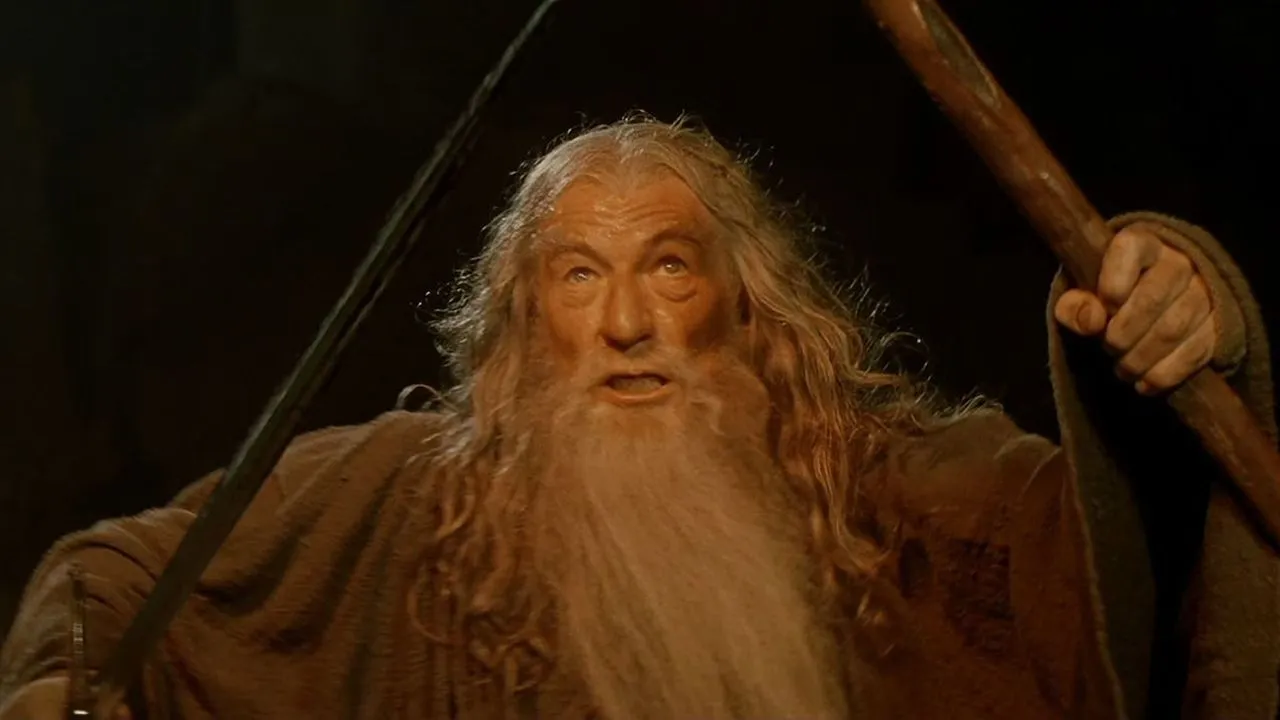
Andy Serkis, who also plays Gollum, says in an interview that AI in The Lord of the Rings: The Hunt for Gollum will be limited to “some of the de-aging.” He adds that “every shot is created in a traditional way,” not as AI-generated footage.
Andy Serkis has only finished a week of filming on The Lord of the Rings: The Hunt for Gollum, and already the question is out there: how much AI is actually in the movie? In comments to Variety, the director and Gollum performer answered with a specific boundary, saying AI is used “only... other than some of the de-aging,” with “a little bit of de-aging for some of the characters” and that “machine learning is part of the process.”
But Serkis quickly addressed the bigger fear that often comes with any AI mention in film production. “We’re not creating AI shots in our movie, every shot is created in a traditional way,” he said. That line matters because it separates AI as a background tool from AI as the primary image-maker. In other words: the movie is leaning on machine learning for a narrow job, not swapping out the entire visual pipeline.
Why this distinction lands with studios and boards goes beyond fandom. Film is an ecosystem of specialized craft: miniatures, prosthetics, VFX workflows, and live-action performance still drive a huge share of both cost and schedule risk. Serkis frames his preference around that craft, saying “one of the things actually that I really wanted to do with this film was to bring back all of the great filmmaking skills, from miniatures to prosthetics and marry them up.” Then he connects it to taste: “I like it when you mix up different filmmaking techniques.” That is a statement about artistic control, but it also reads like an operating plan. Keep the heavy lift in familiar, proven methods, and use AI where it can reduce friction or handle specific transformations like de-aging.
It also puts Hunt for Gollum in a familiar debate that has been flaring up across media. Serkis points to an earlier example from the original Lord of the Rings films, saying Peter [Jackson] created “MASSIVE,” a program that allowed “1000s of orcs to all have their own individual mindset,” calling it “a brilliant example of an incredible use of AI.” The implication for decision-makers is that audiences have long accepted “AI-adjacent” systems when the goal is believable scale, not when the goal is to replace human artistry. This matters because the credibility of new tools is often judged against what came before. If the tool is cast as another special effect category, adoption becomes easier.
Still, Serkis is not operating in a vacuum. The source ties his comments to similar remarks from Lord of the Rings director Peter Jackson, who is also acting as an executive producer on The Hunt for Gollum. Per Variety, Jackson said at Cannes earlier this year that AI is “going to destroy the world,” but added that “when it comes to filmmaking, I don’t dislike it at all.” He described it in practical terms: “to me, it’s just a special effect. It's no different from other special effects.” That “special effect” framing is a pressure release valve for executives. When a technology can be categorized like prior VFX, it often becomes easier to defend budgets, pipelines, and risk tolerance.
There are also second-order implications for anyone tracking AI governance in entertainment. Even though the source does not mention specific regulations, the clear separation Serkis draws between “some of the de-aging” and “every shot” being traditional creates a compliance-friendly narrative. If regulators or platforms later require disclosure about AI use or the origin of image content, a production that can truthfully say it used machine learning for de-aging but not to generate entire shots has a cleaner story than one that quietly relies on AI synthesis across the frame. The business point: clearer use-cases reduce ambiguity, and ambiguity is what triggers stakeholder backlash, contractual disputes, and reputational drag.
Finally, the movie’s plot and release timeline sharpen the stakes. The Hunt for Gollum is set between the events of The Hobbit and The Fellowship of the Ring, telling Aragorn’s adventure to track down Gollum before Sauron can find him. It stars Jamie Dornan as the character made famous by Viggo Mortensen, alongside Ian McKellen, Kate Winslet, Elijah Wood, Anya Taylor-Joy, Lee Pace, and Leo Woodall, and it is set for release on December 17, 2027. With a multi-year runway, the industry pressure will only increase to show how AI changes workflows without blowing up quality, union expectations, or audience trust. Serkis’s comments suggest a strategy: adopt AI where it solves a narrow, high-value problem (de-aging), while protecting the broader production identity with miniatures, prosthetics, and traditional shot-making.
This story's Key Insights and Take-aways are locked.
Create a free account to unlock Executive Actions for one credit.
Register to UnlockAlways free for Executives Club members. Join the Club
More in Entertainment

12TB Steam 'teraleak' goes beyond Valve: GTA 3, Mafia 2 prototypes exposed
A 12-terabyte dump of Steam data reveals prototypes and builds of third-party classics like GTA 3 and Mafia 2, plus unreleased Valve content, rewriting game history.

LinkedIn's romance problem: 1 in 4 workers say dating on it is fair game
A new survey shows a quarter of U.S. employees treat the professional network as fair game for romance, even as LinkedIn bans it and removes hundreds of thousands of offending posts.

Enhypen's first No. 1 album breaks K-pop's Billboard 200 streak
The K-pop group's 98,000-unit debut tops the chart while Dolly Parton's catalog reentry shows how death reshapes streaming.