

Capcom will permanently cheaper Monster Hunter Wilds with a definitive, streamlined edition
A new definitive version plus a price cut hits the regular game ahead of the paid Ascendance expansion.
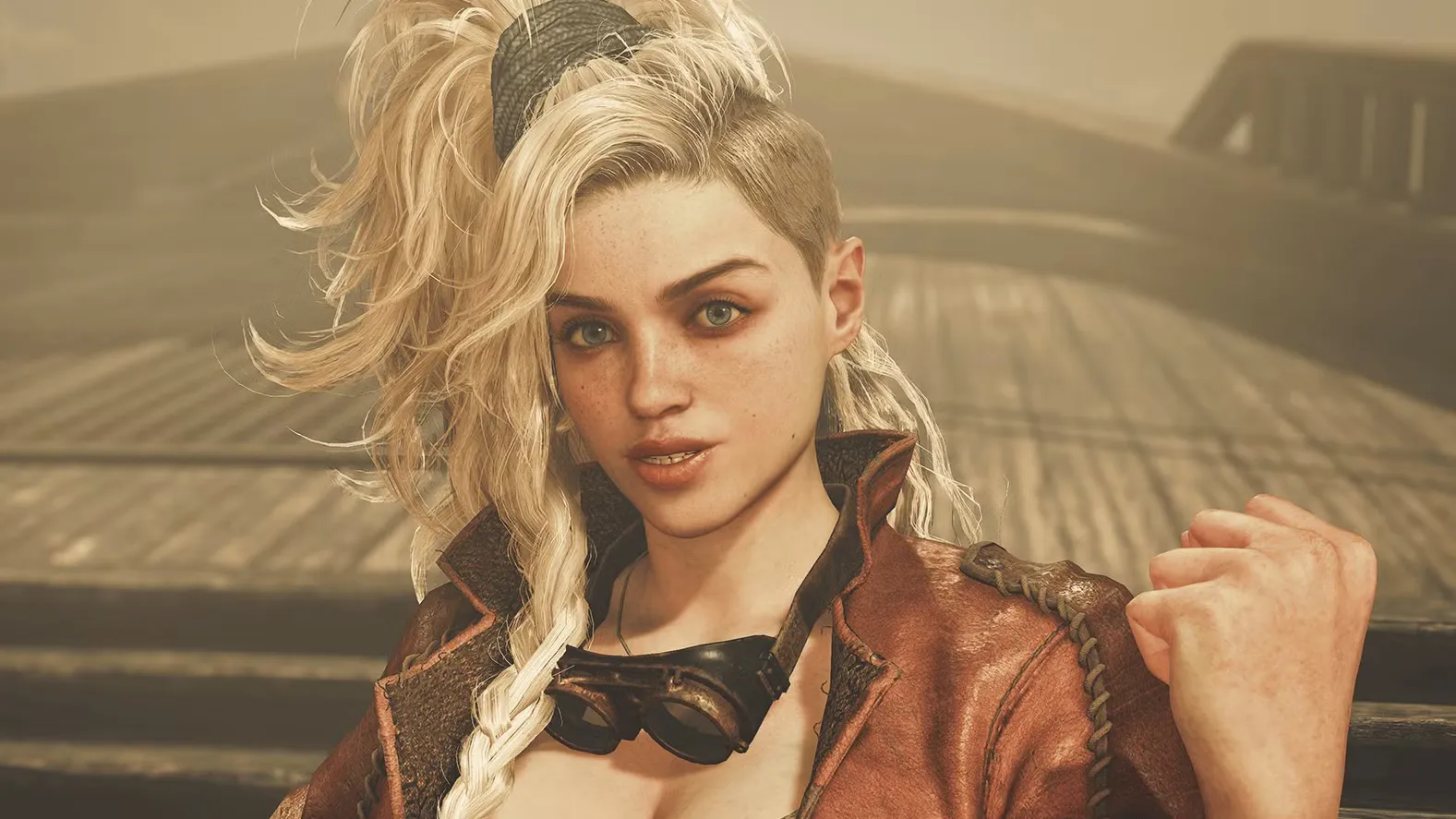
Capcom says it will streamline Monster Hunter Wilds options and release a new definitive version about a year and a half after launch. The move includes a price cut for the regular edition, likely aimed at lowering friction before paid Ascendance expansion.
Capcom is about to make Monster Hunter Wilds materially easier to buy and play, and it is doing it with a plan that will effectively lock in lower entry costs. Nearly a year and a half after the action RPG launched, the company revealed plans to streamline the available options for the game. The centerpiece is a new definitive version that bundles extra goodies, alongside a price cut for the regular edition.
In plain terms: Capcom is changing the product ladder. If you were holding off because the “regular” version did not feel complete, or because the choices around editions were annoying, this update is designed to reduce that friction. And it is happening ahead of the paid Ascendance expansion, which means the timing is not accidental. Capcom is trying to convert more first-time and lapsed players by making the baseline version cheaper and more predictable before the next paid content drop.
This kind of “definitive plus discount” play is a classic late-cycle move in games, but the details still matter for everyone watching the market. In most action RPG ecosystems, the first launch versions can end up looking like placeholders to some players once major additional content lands. Over time, the market pressure becomes clear: players want a simple path that includes the things they would otherwise have to buy separately. By introducing a definitive edition with goodies, Capcom is aligning what customers think they are buying with what they actually want to experience.
There is also a business reason the message lands now rather than later. Paid expansions like Ascendance are monetization events. They work best when the addressable audience is large enough and confident enough to spend again. By streamlining options and cutting the regular price, Capcom is likely improving adoption and re-engagement, which can expand the pool of players who decide to pay for new content. In other words, cheaper entry can be the marketing fuel for expansion revenue.
From a product strategy standpoint, the “streamline available options” phrase is doing a lot of work. Game catalogs can get messy fast. Different editions, add-ons, bundles, and upgrade paths can confuse even motivated players, especially when you are deciding whether to jump in late. Simplifying the choices reduces customer support burden, reduces hesitation, and can improve conversion rates at the moment of purchase. Executives do not need a new regulation to recognize this dynamic. It is about lowering friction in the buying journey.
The “nearly a year and a half after it was released” timing also matters. That window often signals that the initial launch push has matured into a longer-term lifecycle. At that point, the company has more data on what players actually do: who returns, who buys expansions, and how many people never cross the first purchase threshold. A definitive version is often the moment a publisher tries to reset expectations. The regular edition price cut, meanwhile, can act like a pressure release valve for those on the fence.
Now zoom out to why this is interesting beyond one game. When a major publisher moves to reduce prices and consolidate options, competitors and partners notice. The second-order effect is not just “more people will buy Monster Hunter Wilds.” It is that other publishers may feel pressure to manage late-stage edition strategy more cleanly, because confusing catalogs can cost you conversion. If players learn that “the next version will be more complete and cheaper,” they may delay purchases until after definitive bundles land. That changes how future product calendars are planned across the industry.
For decision-makers, the strategic stake is simple: pricing, packaging, and timing are not backstage details. They determine whether expansions feel like compelling add-ons or expensive leaps. Capcom’s plan suggests it wants Monster Hunter Wilds to be a lower-friction baseline experience before Ascendance arrives. If you are running a game, funding a studio, or investing in interactive entertainment, you should treat moves like this as market signaling: lifecycle management can be a revenue strategy, not just a customer-service one.
This story's Key Insights and Take-aways are locked.
Create a free account to unlock Executive Actions for one credit.
Register to UnlockAlways free for Executives Club members. Join the Club
More in Entertainment

12TB Steam 'teraleak' goes beyond Valve: GTA 3, Mafia 2 prototypes exposed
A 12-terabyte dump of Steam data reveals prototypes and builds of third-party classics like GTA 3 and Mafia 2, plus unreleased Valve content, rewriting game history.

LinkedIn's romance problem: 1 in 4 workers say dating on it is fair game
A new survey shows a quarter of U.S. employees treat the professional network as fair game for romance, even as LinkedIn bans it and removes hundreds of thousands of offending posts.

Enhypen's first No. 1 album breaks K-pop's Billboard 200 streak
The K-pop group's 98,000-unit debut tops the chart while Dolly Parton's catalog reentry shows how death reshapes streaming.