

Annapurna’s Lost Wild is 2027 dinosaur horror, built from Jurassic Park and Alien Isolation
Sony’s June 2026 State of Play confirmed the release window and vibe: Great Ape Games is targeting stealth horror fans with a 2027 launch.
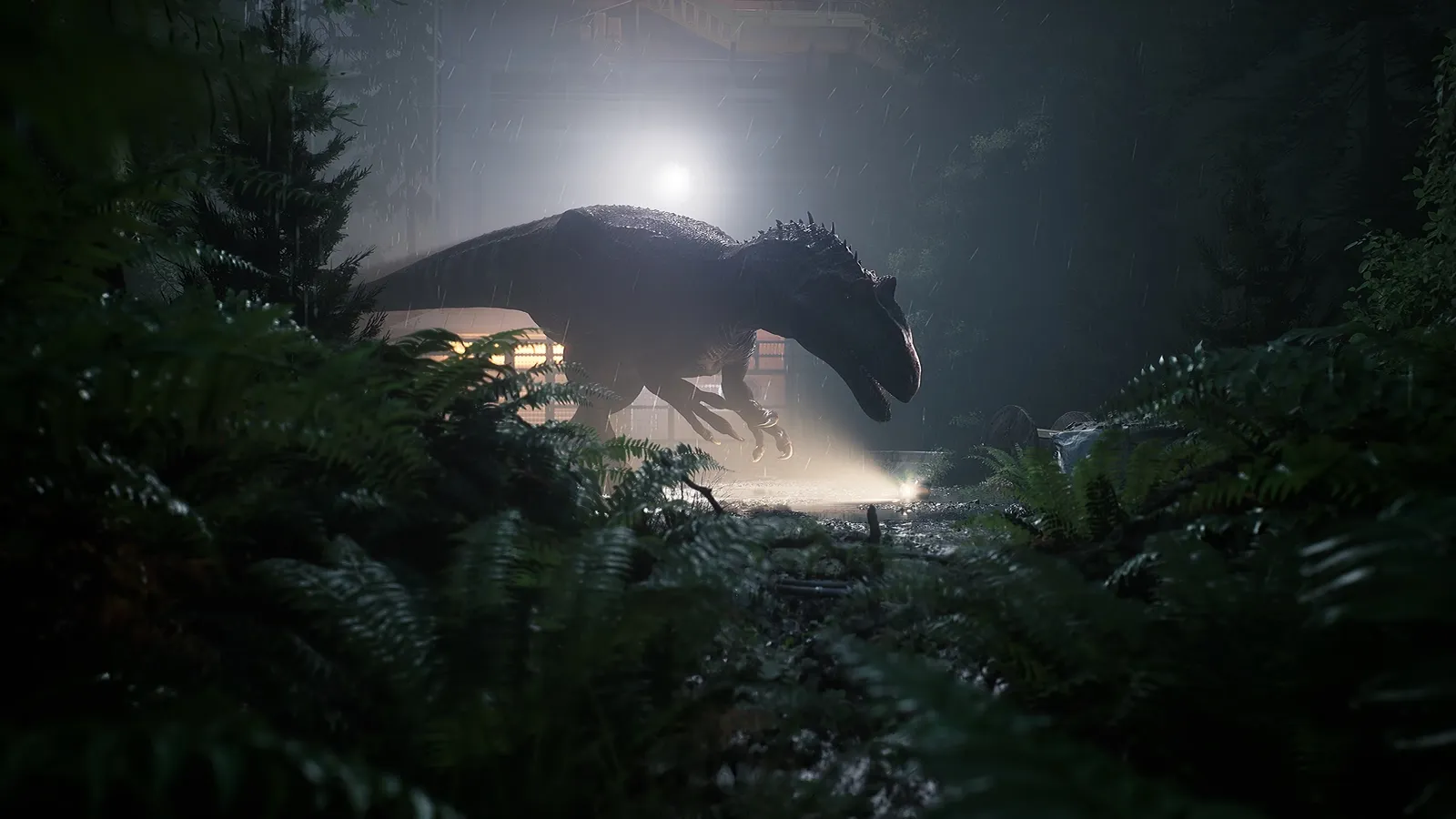
Annapurna is publishing Lost Wild, a first-person dinosaur horror game revealed during Sony’s June 2026 State of Play and planned to launch in 2027, with developer Great Ape Games. For decision-makers, it is a clear signal that big-budget horror is shifting from single-IP scares to crossover-style fear design.
Annapurna’s upcoming first-person horror game, Lost Wild, is aiming straight at the sweet spot where big recognizable sci-fi fantasy meets brutal stealth horror mechanics. The game was revealed during Sony’s June 2026 State of Play and is set to launch in 2027. The pitch, per the preview, is explicit: Lost Wild looks to meld Jurassic Park, Alien: Isolation, and Resident Evil into one bone-chilling experience.
The strategy is understandable. Horror sells best when it has rules, tension, and escalation, not just jump scares. The preview points to a live gameplay demo seen at Summer Game Fest as the clearest indicator of what Great Ape Games is building: a nerve-racking stealth game designed to terrify players who, in the ’90s, were not already “traumatized by Steven Spielberg.” In other words, the scare target is broad, including people who missed the cultural trauma of the original Jurassic Park era but still know how modern horror should feel.
That blending of inspirations matters for anyone tracking interactive media risk and reward. When a publisher and developer explicitly frame their design as “Jurassic Park meets Alien: Isolation,” they are not just describing aesthetics. They are telling audiences and investors that they are borrowing proven fundamentals: the lure of a familiar world, and the discipline of a stealth horror loop where survival is about observation, not reflexes. Resident Evil is name-checked as well, suggesting an additional layer of pacing and encounter design.
From a market lens, this is also a bet on category momentum. Big first-person horror has struggled to hit at scale when it leans too heavily on spectacle without a believable tension system. The preview’s emphasis on stealth and isolation points to a different thesis: that “unholy unions” can still be coherent if the moment-to-moment gameplay holds together. If Great Ape Games nails the demo-style experience, Lost Wild can fit into the rising expectation that horror is not a one-off ride, it is something players actively learn, return to, and benchmark against other fear titles.
There is also a second-order implication for platforms and partners. Sony’s State of Play is a major distribution signal, not just a marketing event. Being revealed there ties Lost Wild to an ecosystem where audiences are primed for release windows and carefully curated genre moments. For executives, that can influence internal planning in adjacent studios: when a publisher gets a high-visibility slot, it often pulls attention (and marketing budgets) away from other horror releases during the same planning cycle.
Regulatory context in gaming is rarely direct in single announcements, but it is still relevant in how publishers de-risk audience outcomes. In the absence of any specific regulatory details in the source, the safest interpretation is about compliance planning rather than new rules. Horror games, especially ones involving intense fear, tense stealth scenarios, and graphic-on-the-edge tone, typically require careful rating work and content considerations across regions. A 2027 launch window also gives room for that multi-market process, which can be a quiet enabler of smoother global rollouts when production timelines stay on track.
Then there is the strategic finance angle. A first-person horror game with a strong horror pedigree reference stack, published by a major company like Annapurna and backed by a high-visibility reveal, reads like a deliberate investment in a format with a loyal audience. Executives in studios and publishing teams can treat Lost Wild as a data point: horror is no longer niche, but it is still competitive, and recognizable theming is being used to widen the funnel without sacrificing the fear mechanics.
So what should peers take from this? Lost Wild is not just “Jurassic Park, but scary.” It is a 2027 stealth horror bet, publicly framed by Annapurna and developer Great Ape Games, validated by a live demo presence at Summer Game Fest, and given the spotlight via Sony’s June 2026 State of Play. If it lands, it could reinforce the next publishing playbook: build fear with systems first, then let the IP gravity do the marketing work.
This story's Key Insights and Take-aways are locked.
Create a free account to unlock Executive Actions for one credit.
Register to UnlockAlways free for Executives Club members. Join the Club
More in Entertainment

Entertainer Russell Brand denies 7 sex charges amid accuser's 'couldn't breathe' claim
The alleged victim's account sharpens the reputational and legal stakes for Brand, his platforms, and any business tied to a public figure under criminal scrutiny.

Russell Brand's accuser 'bewildered and confused' as he denies 7 sex charges
The criminal case against the comedian is a live test of how media companies manage talent risk when serious allegations go public.

'It's a Magic Trick': Ballet Experts Say Rosalía's SNL Pose Is Impossible
Three ballet experts tell Rolling Stone Rosalía's gravity-defying SNL stillness shouldn't be possible - and why the debate is now part of the show.